
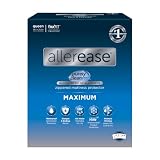
- Top Pick: AllerEase Maximum Waterproof Allergy Zippered Mattress Protector, Queen | Zippered mattress encasement; moisture-wicking; hot-water washable; fits mattresses up to 15 inches deep, Queen size
- Best Value: AllerEase Waterproof Allergy Zippered Mattress Protector, Twin | Hot-water washable; helps block common household particles; fully encases mattress; fits mattresses up to 12 inches deep
- Premium Choice: Utopia Bedding Queen Size Mattress Protector Zippered, 100% Waterproof | Bed Bug and Dust Mite Proof Mattress Encasement, Absorbent 6 Sided Mattress Cover fits upto 15" deep, Machine Washable
For allergy sufferers the best choice is a zippered, six-sided mattress encasement with a very small pore size, with brands such as AllerEase, Protect-A-Bed AllerZip, SureGuard and Hospitology repeatedly shortlisted by reviewers; a basic fitted-sheet style protector blocks spills but does much less against dust mites. This guide explains what to look for, compares commonly recommended options, and flags the trade-offs between waterproofing, noise and breathability. It is general information; anyone with diagnosed allergies or asthma should follow the advice of their allergist.
As an Amazon Associate we earn from qualifying purchases at no extra cost to you.


Allergy Mattress Protectors at a Glance
| Product | Best for | Key stated traits | Limits |
|---|---|---|---|
| AllerEase Ultimate Zippered Encasement | Diagnosed dust mite allergy or asthma | MattressVetted ranks it best overall for its certified fabric and secure zipper seal | Zipper encasements can feel less plush than a quilted topper |
| Protect-A-Bed AllerZip Smooth | Allergy plus liquid protection | Chosen by MattressVetted for waterproofing | Waterproof layers can feel warmer |
| SureGuard Zippered Encasement | Severe dust mite sensitivity | One review says allergists recommend it | Specifics vary by version; read the label |
| Hospitology Sleep Defense | Most buyers wanting full encasement | Reviewers describe a polyurethane lining that is waterproof on all six sides | Polyurethane can be less breathable |
| FAUNNA 100 percent cotton | Sensitive skin, cooler sleep | Described as a mite-blocking woven cotton, breathable | An allergen barrier, not a waterproof protector |
| Utopia Bedding Zippered Encasement | Budget tier | Named best value by a roundup | Fewer extras and shorter track record of reviews |
Rankings differ across review sites, and many roundups carry affiliate relationships, so treat them as a shortlist rather than a final verdict.
What Makes a Protector Allergy-Grade
Full encasement, not a fitted sheet
Review sources agree that a tight-fitting protector leaves the underside and edges open, whereas a zippered, six-sided encasement seals the entire mattress. Dust mites and their waste live in the mattress interior and surface fibers, so sealing matters. Encasements are the standard recommendation in allergy guidance, usually alongside pillow and duvet covers.
Pore size
Fabric pore size is measured in microns. Reviewers cite under 10 microns as the common minimum, and MattressVetted goes further, advising fabrics with pores under 6 microns. Smaller is better for blocking mite allergen particles. Look for the pore rating stated by the maker, not just marketing words like hypoallergenic.
Zipper design
The zipper is where leaks happen. Look for a lockable or heavy-duty zipper with an inner flap or tape covering the teeth. Some encasements include a stop at the end of the zipper track to close the last gap. Run the zipper fully closed and check there is no visible gap at the corner.
Certifications
Reviewers mention Allergy Standards and AAFA certified labels, and fabric safety labels such as OEKO-TEX or GOTS organic for textile chemicals. A certification label tells you an outside body assessed the product; read what exactly was assessed.
Depth and fit
Encasements are sold by mattress depth, with ranges that reach from shallow models to deep pillow-top mattresses. A cover that is too short for the depth will not close, and one far too deep will bunch. Measure the mattress, including any topper that will sit inside the cover.
Noise and temperature
Polyurethane-backed covers may rustle and trap heat. Brushed microfiber or cotton faces tend to be quieter and cooler, according to reviewer descriptions. If you run warm, prefer a breathable cotton or knit-faced design.
Waterproof or Breathable: Choosing by Need
| Need | Better fit |
|---|---|
| Dust mite barrier and spill protection | Waterproof six-sided encasement such as AllerZip or Hospitology |
| Dust mite barrier, cool sleeper | Tight-weave cotton encasement such as FAUNNA |
| Children or incontinence concerns | Waterproof encasement, plus a washable layer on top |
| Tight budget | Budget encasement such as Utopia, with a fitted sheet over it |
Budget Tiers Without Prices
- Budget: basic polyester or vinyl-free encasements with standard zippers.
- Mid-range: certified fabrics, stronger zippers, extended warranties.
- Premium: quieter, softer, more breathable fabrics with long warranties and full certification.
Warranties are commonly advertised and can run for many years, so compare what the warranty actually covers (zipper failure and fabric tears are typical).
Pick X If… Decision Table
| Pick | If |
|---|---|
| AllerEase | you want a certified fabric for diagnosed allergy or asthma |
| Protect-A-Bed AllerZip | you also need waterproofing |
| SureGuard | you have severe sensitivity and want an allergist-endorsed option, as one review reports |
| FAUNNA cotton | you dislike plastic-feeling covers and want a breathable cover |
| Utopia | you want encasement protection on a budget |
Common Mistakes
- Buying a fitted protector and expecting full dust mite protection.
- Ignoring mattress depth and then failing to close the zipper.
- Encasing only the mattress and leaving pillows and duvets open.
- Putting the encasement on a damp mattress.
- Skipping regular washing of the outer sheets and the cover.
Installation and Care
Vacuum the mattress first, then slide the encasement over it and zip it slowly so fabric does not catch. Put a washable sheet over it. MattressVetted advises washing encasements every two to four months, and makers usually suggest a warm wash and low heat drying; follow the care label. Wash bedding hot enough as the label allows, since hot washing is the usual advice for removing mites from bedding.
Alternatives
Pillow and duvet encasements, allergen-rated bedding, and a HEPA vacuum are common complements. Mattress toppers made of natural latex are sometimes chosen by allergy sufferers, but they do not replace sealing the mattress. A bedroom with lower humidity also slows mite growth.
Frequently Asked Questions
Does a mattress protector really help with dust mite allergies?
A sealed encasement acts as a barrier between you and the mite allergens in the mattress. It is one part of a plan that also includes washing bedding and managing humidity. See an allergist for medical advice.
What is the difference between a protector and an encasement?
A protector usually covers the top and sides like a fitted sheet, while an encasement zips around all six sides. Reviewers consistently say encasements are more secure against mites.
Are waterproof encasements hot or noisy?
Some polyurethane-lined models can feel warmer and rustle a little. Newer knit-faced and brushed-fabric designs aim to reduce both, so read what reviewers say about the specific model.
How often should I wash an allergy encasement?
MattressVetted suggests every two to four months, while the sheets over it should be washed more often. Always follow the maker’s care label.
What pore size should I look for?
Reviewers cite under 10 microns as a common threshold, and some recommend under 6 microns. The maker should state the figure.
Do I need to replace the encasement?
Replace it if the zipper fails, the fabric tears or the waterproof layer degrades. Warranty terms vary, so keep the care and warranty details from the packaging.



Write Your Review
No reviews yet. Be the first to share your experience!