
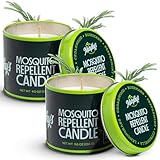
- Top Pick: Murphy's Naturals Citronella Mosquito Repellent Candles, 9 oz (Pack of 2) | Soy & Beeswax Blend with Rosemary, Peppermint, Citronella & Lemongrass Oils, 30-Hour Burn for Patios & Outdoor Spaces
- Best Value: Murphy's Naturals Citronella Mosquito Repellent Candles, 3.5 oz (Pack of 3) | Soy & Beeswax Blend with Rosemary, Peppermint, Citronella & Lemongrass Oils, 3.5 oz Candles, 14-hr Burn for Patio & Outdoors
- Premium Choice: Murphy's Naturals Citronella Mosquito Repellent Candles, 3.5 oz (Pack of 9) | Soy & Beeswax Blend with Rosemary, Peppermint, Citronella & Lemongrass Oils, 3.5 oz Candles, 14-hr Burn for Patio & Outdoors
Natural mosquito repellent candles are best treated as a mild, short-range extra for still evenings on a patio, not as a replacement for a skin repellent registered with a health authority. Citronella-based candles from makers such as Murphy’s Naturals, Cutter and Yankee Candle suit small seating areas, and a candle works best when several are placed around the space in calm air.
As an Amazon Associate we earn from qualifying purchases at no extra cost to you.


What these candles can and cannot do
Health agencies such as the CDC point readers to EPA-registered repellents for protection against mosquito-borne illness. Plant-oil candles are generally described as limited: they release oils that may reduce bites nearby in still air, but a breeze disperses the effect quickly. If you live where mosquito-borne disease is a concern, use an approved skin repellent and long clothing rather than relying on a candle.
Quick comparison
| Candle line | Typical oils listed | Best for | Limit |
|---|---|---|---|
| Murphy’s Naturals candle | Plant-oil blends listed by the maker | Buyers who want a plant-based, scented option | Short range; check the maker’s label for burn time |
| Cutter outdoor citronella candle | Citronella | Casual outdoor seating | Fragrance can be strong |
| Yankee Candle citronella lines | Citronella with fragrance | Buyers who want a candle that looks good on a table | Less functional than larger outdoor pails |
| Citronella bucket or pail candles | Citronella wax in a large container | Larger patios needing long burn | Bulky and heavier |
| Beeswax or soy candles with essential oils | Citronella, lemongrass, eucalyptus oils | Fans of natural wax | Effect varies by product |
Brand formulas and sizes change, so read the current label for oil lists and burn times. The names above are established makers of outdoor candles; individual scents and sizes may be updated.
What “natural” can mean
Wax
Natural candles may use soy, beeswax or coconut wax rather than paraffin. This describes the wax base, not how well the candle repels insects.
Oils
Common plant oils include citronella, lemongrass, eucalyptus and peppermint. Makers list the oils they use, and the amount per candle is rarely given. Because the effect depends on concentration and airflow, treat claims cautiously.
Wick
Cotton or wood wicks are common. A lead-free wick is a standard feature; check the label.
How to choose
- Size: larger candles throw more scent and burn longer but cost more to place. Several small candles around a table can cover more area than one large one.
- Container: metal tins and thick glass handle outdoor use better than thin glass.
- Burn time: compare the maker’s stated hours.
- Scent preference: citronella smells sharp and grassy; blends add citrus or herbal notes.
- Stability: wide, heavy bases resist tipping in a light breeze.
Budget tiers
| Tier | What to expect | Trade-off |
|---|---|---|
| Budget | Basic citronella tins or pails | Strong fragrance, simple containers |
| Mid-range | Plant-based, branded candles with listed oils | Better scent and design; limited range |
| Premium | Decor-oriented jars with natural wax | Look good, but not stronger as repellents |
Pick this if…
| If you want | Pick | Reason |
|---|---|---|
| A table candle for two people | Murphy’s Naturals or a small citronella jar | Simple, low cost |
| Coverage on a bigger deck | A group of pail candles | Long burn and larger scent area |
| Natural wax preference | Soy or beeswax candle with listed oils | Matches your wax preference |
| Real protection outdoors | A registered skin repellent plus a candle | Candles alone provide limited protection |
Safety and use notes
- Burn only on a stable, heat-resistant, non-flammable surface and keep away from awnings, dry leaves and furniture cushions.
- Never leave a burning candle unattended, and keep it away from children and pets.
- Do not burn outdoor candles indoors unless the label states they are for indoor use; poor ventilation can irritate lungs.
- People with asthma, allergies or sensitivity to fragrance should be careful with strongly scented candles. If symptoms occur, stop use and talk to a doctor.
- Keep essential oils away from pets; some oils can be harmful to animals. Ask a vet if unsure.
- Let wax cool before moving the candle and extinguish with a snuffer.
Placement tips
Place candles upwind of seating at about table height, and use several rather than one. Light them before guests arrive so the scent builds up. Avoid windy spots; a fan or breeze reduces their effect. Reduce standing water nearby, since mosquitoes breed in puddles, buckets and clogged gutters.
Common mistakes
- Expecting full protection from a single candle in open air.
- Using a candle as a substitute for a repellent in disease-risk areas.
- Placing candles on flammable surfaces or close to fabrics.
- Buying a decorative candle labelled with a repellent scent but no listed oils.
- Ignoring pet safety when burning scented candles on a patio.
Alternatives
- Fans: a steady breeze makes it harder for mosquitoes to fly and land.
- Screened enclosures: physical barriers are reliable and need no fragrance.
- Area repellent devices: some makers sell devices with registered active ingredients for patios; read the label and follow the instructions.
- Skin repellents: products with active ingredients registered by regulators are the main recommendation of health agencies.
Reading a candle label
A useful label states the wax type, the active oils, the burn time and the intended use, indoor or outdoor. Be cautious with vague wording such as ‘repels bugs naturally’ without a list of ingredients. In some regions products that make pest-control claims are regulated, so a plain fragrance candle sold with a mosquito image is not the same as one that states its oils and how to use it. Compare container size to burn hours, check that the wick is centred, and trim it before each lighting to keep the flame steady and reduce soot.
Frequently Asked Questions
Do citronella candles really repel mosquitoes?
They may reduce bites slightly close to the flame in still air, but evidence of strong protection is limited. They work better as a supplement than as sole protection.
How many candles should I place?
Several around the seating area usually beat one candle. Place them within a few feet of where people sit and keep them upwind.
Are natural candles safe for pets?
Some plant oils can irritate or harm pets, especially cats. Keep candles out of reach and ask a vet if you are unsure about a specific oil.
Can I use these candles indoors?
Only if the label says so. Outdoor candles are made for ventilated spaces, and burning strong fragrances in a closed room may cause irritation.
How long does one candle burn?
The maker lists burn time on the label, and it varies by size. Wind and wick trimming can shorten it.
What else reduces mosquitoes around my home?
Empty standing water weekly, clean gutters, use screens on doors and windows, and run a fan on the patio. These steps address the source rather than the symptom.





Write Your Review
No reviews yet. Be the first to share your experience!