
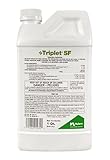
- Top Pick: Nufarm Triplet SF Selective Herbicide, Post-Emergent Broadleaf Herbicide, 32 oz
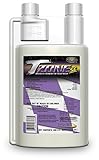
- Best Value: TZONE SE Broadleaf Herbicide for Tough Weeds – 1 Quart
- Premium Choice: BASF Drive XLR8 Crabgrass Killer for Lawn & Turf, Post Emergent Grassy & Broadleaf Weed Control, Active Ingredient Quinclorac, 30 Day Residual, Herbicide, Concentrate 64 Ounce
The best post-emergent broadleaf herbicide for a typical cool-season lawn is a multi-active selective product combining 2,4-D, MCPP (mecoprop) and dicamba, such as Gordon’s Trimec or PBI-Gordon Speed Zone; for woody weeds and brush, a triclopyr product is the better choice; and for sensitive grasses or small spot problems, a ready-to-spray consumer product like Ortho Weed B Gon suits easier use. The label on any product is the final authority, so match it to your grass type.
- What Post-Emergent Broadleaf Herbicides Do
- At a Glance
- Choosing by Weed Type
- Match the Product to Your Grass
- Format: Concentrate or Ready-to-Spray?
- Application Tips From Typical Labels
- Safety, Pets and Environment
- Budget, Mid-Range and Premium
- Pick X If You…
- Alternatives
- Common Mistakes
- Frequently Asked Questions
As an Amazon Associate we earn from qualifying purchases at no extra cost to you.

What Post-Emergent Broadleaf Herbicides Do
Post-emergent means the product acts on weeds that are already growing. Broadleaf herbicides selectively target plants such as dandelion, clover, plantain, chickweed and ground ivy while leaving most turfgrass unharmed when used as labelled. They are different from pre-emergent products, which stop seeds from sprouting, and from non-selective killers that harm every plant they touch.
Most selective broadleaf herbicides are synthetic auxin types. They cause abnormal growth in susceptible plants. Common actives include 2,4-D, MCPP, dicamba, triclopyr and carfentrazone, each with a different strength profile.
At a Glance
| Product or type | Active ingredient class (per maker labels) | Best for | Limits |
|---|---|---|---|
| Gordon’s Trimec style products | 2,4-D, MCPP and dicamba blend | Broad control on cool-season turf | Not for every grass; read the label for tolerance and temperature limits |
| PBI-Gordon Speed Zone | Blend that adds carfentrazone to auxin herbicides | Fast visible results, tougher weeds, cooler weather use | Check which turf species the label allows |
| Ortho Weed B Gon range | Varies by formula, often 2,4-D based; some add other actives | Homeowners wanting easy-to-use sprays | Formulas differ, so confirm the active list on the bottle |
| Triclopyr products such as Turflon Ester Ultra | Triclopyr | Woody weeds, tough perennials, oxalis and clover | Can damage desirable plants; follow label closely |
| Spectracide Weed Stop for Lawns | Selective broadleaf formula | Budget lawn spraying | Check the label for grass species and time of year |
Active ingredients above reflect general labelling by manufacturers; formulations change, so use the current product label as your guide.
Choosing by Weed Type
Dandelion, plantain and broad-leaved perennials
A three-way mix of 2,4-D, MCPP and dicamba is a common pick because the different actives cover a wide range of species. Weeds that are actively growing take up the herbicide best, so spray when they are healthy rather than stressed by drought.
Clover, oxalis and ground ivy
These are tougher and often need a product with additional actives, or repeat applications. Triclopyr-based products and blends that include carfentrazone are commonly mentioned by university extension guides as useful against stubborn lawn broadleaf weeds.
Woody and brush weeds
For brambles, poison ivy and small woody growth, labelled brush killers with triclopyr are used. They are not intended for general lawn use, and they can harm nearby shrubs and trees, so read the instructions and keep spray away from desirable plants.
Crabgrass is not a broadleaf
Crabgrass is a grassy weed and needs a different active such as quinclorac. Some combination products include both, but a pure broadleaf killer will not control it.
Match the Product to Your Grass
| Grass type | Common tolerance notes |
|---|---|
| Kentucky bluegrass, tall fescue, perennial ryegrass | Generally tolerate 2,4-D, MCPP and dicamba blends when applied as labelled |
| Bermudagrass and zoysia | Usually tolerant, but follow label rates and temperature limits |
| St. Augustine and centipede | More sensitive; many labels warn against certain actives or require reduced rates |
| Newly seeded lawns | Most labels advise waiting until after several mowings before applying |
Extension services from state universities publish grass-specific guidance, and the product label always overrides general advice.
Format: Concentrate or Ready-to-Spray?
Concentrates mixed in a pump or hose-end sprayer are usually more economical for large areas and give you control over dilution. Ready-to-use bottles are convenient for spot treatment but costly across a whole yard. Granular weed-and-feed products combine fertiliser and herbicide; they require moist foliage for the herbicide to stick, and they can burn grass if misapplied.
Application Tips From Typical Labels
- Apply when weeds are actively growing and temperatures sit within the label range, since too hot or too cold reduces effectiveness or raises injury risk.
- Avoid spraying on windy days. Drift can damage gardens, ornamentals and trees.
- Do not apply right before heavy rain. Most labels list a rainfast period.
- Do not mow immediately before or after spraying, following the label’s wait time.
- Measure the lawn area so you mix the right amount. Overapplication can injure turf.
- Do not apply on or near the roots of trees and shrubs unless the label allows it.
Safety, Pets and Environment
These products are pesticides. Wear the protective clothing the label requires, keep children and pets off the treated area until the label says it is safe, usually after the spray has dried, and store products in their original container. Keep chemicals away from wells, streams and storm drains. Do not use more than the label allows, and dispose of leftover product as local rules require. If someone is exposed or feels unwell, contact a poison control centre or doctor and bring the label. For persistent or large infestations, a licensed lawn care professional can advise.
Budget, Mid-Range and Premium
| Tier | Typical choice | Trade-off |
|---|---|---|
| Budget | Generic 2,4-D concentrate or entry-level ready-to-spray | Narrow weed range, may need repeat treatments |
| Mid-range | Trimec-style three-way blends | Need accurate mixing and a sprayer |
| Premium | Speed Zone or professional-grade triclopyr products | Higher cost per bottle, more care required on sensitive turf |
Pick X If You…
| Situation | Choice |
|---|---|
| Have a cool-season lawn with mixed weeds | Three-way 2,4-D, MCPP and dicamba blend |
| Need fast action on stubborn weeds | Speed Zone or a carfentrazone blend |
| Want a quick spot treatment | Ready-to-use Ortho Weed B Gon type product |
| Fight woody or brush weeds | Triclopyr brush killer |
| Have St. Augustine or centipede | A product whose label explicitly lists your grass |
Alternatives
- Hand pulling and tools: workable for a few weeds, especially after rain.
- Healthy turf practices: mowing high, overseeding and correct fertilising reduce weeds over time.
- Professional service: useful for large lawns or resistant weeds.
Common Mistakes
- Using a broadleaf killer on a grassy weed problem.
- Spraying in heat or drought, which stresses turf and weeds alike.
- Ignoring the grass species on the label.
- Applying near garden beds, trees or vegetables.
- Mixing stronger than labelled because the weeds look tough.
Frequently Asked Questions
How long does a broadleaf herbicide take to work?
Many labels describe visible twisting within hours to days, with full results in a couple of weeks. Tough perennials may need a second application after the label’s waiting period.
When is the best time of year to apply?
Spring and early autumn are common times because weeds are actively growing and temperatures are moderate. Always follow the label’s temperature range.
Will it kill my lawn?
Used as directed on a tolerant grass, selective products are designed not to. Overapplication, heat and sensitive grass types raise the risk of injury, so read the label.
Can I reseed after spraying?
Many labels recommend waiting a set number of weeks before seeding. Check the specific interval on your product because it differs between actives.
Is it safe for pets and children?
Labels typically advise keeping them off the lawn until the spray has dried or for a stated period. Follow the specific instruction and contact a vet or poison control line if exposure occurs.
Why are the weeds still there after treatment?
Possible causes include spraying dormant or stressed weeds, rain soon after application or a weed that is not a broadleaf. A local extension office can help identify the species and the right product.





Write Your Review
No reviews yet. Be the first to share your experience!