
- Top Pick: COBARYEN Tent Stakes Ground Anchors Screw in, 6 Pack Sand Stakes for Beach 9.4 Inch Heavy Duty Spiral Tent Pegs for Camping, Party, Hiking, Outdoor Decoration (6, Black)
- Best Value: COBARYEN Tent Stakes Ground Anchors Screw in, 10 Pack Sand Stakes for Beach 9.4 Inch Heavy Duty Spiral Tent Pegs for Camping, Party, Hiking, Outdoor Decoration (10, Orange)
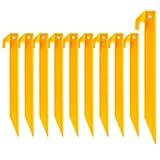
- Premium Choice: 10 Pack Plastic Tent Stakes Heavy Duty Beach Tent Pegs Canopy Stakes for Camping Gardening Backpacking Tent Pegs Spike Hook for Outdoor Garden Decorations Lawn Tarp Sand Stakes for Beach (Yellow)
For loose beach sand, wide Y-beam or snow-style stakes buried deep, or a sand-filled deadman anchor, hold far better than slim pegs, and heavy tents benefit from the larger surface area of snow-rated anchors. Sand has almost no cohesion, so the stake that wins is the one that spreads load across the most grains, not the one that is hardest to hammer in.
As an Amazon Associate we earn from qualifying purchases at no extra cost to you.


Why Standard Pegs Fail in Sand
A thin wire or round-shank peg relies on friction and soil cohesion. Dry sand offers neither, so the peg slides out as soon as the guyline loads up. Outdoor makers that sell sand and snow stakes, MSR among them, describe wide, scooped or flanged profiles for exactly this reason: more surface area means more sand pushing back against the stake.
Three ideas matter more than brand. First, surface area. Second, burial angle, with the stake driven at roughly ninety degrees to the pull direction. Third, depth, because damp sand a hand-width below the surface grips much better than the dry top layer.
At a Glance: Stake Types for Sand
| Type | Examples | Best for | Limits |
|---|---|---|---|
| Wide snow and sand stakes | MSR Blizzard | Dome and tunnel tents on dry beaches | Bulkier, less useful on hard ground |
| Y-beam stakes | MSR Groundhog family | Mixed sand, gravel and dirt trips | Narrower than snow stakes in pure dry sand |
| Corkscrew or screw-in stakes | Generic spiral anchors from several brands | Car camping, beach canopies, quick pitching | Plastic versions can crack; heavier |
| Deadman anchors | Stuff sacks, mesh bags or sticks buried and filled with sand | Any tent, strongest holding in dry sand | Slower to dig and recover |
| Standard wire pegs | Bundled tent pegs | Backup only | Pull out easily in loose sand |
Wide Snow and Sand Stakes
MSR Blizzard stakes are marketed by the maker for snow and sand, using a wide, lightweight profile with cut-outs to save weight. Reviewers of ultralight gear commonly mention this style when asked what to bring to a beach or desert dune trip. They work best buried horizontally in a trench as a deadman, with the guyline clipped to the middle, rather than hammered in like a nail.
The trade-off is bulk and the need for a few spares: because every guy point on a beach is under constant load, packing more stakes than you would on a meadow is a sensible habit.
Y-Beam and V-Shape Stakes
The MSR Groundhog line is a long-standing Y-beam design in aluminum, offered by the maker in several lengths. It copes with soft ground better than round pegs because the three flanges resist rotation and pull-out. In firm, damp sand just above the tide line it is a reasonable all-rounder, though in bone-dry dunes it still benefits from being buried at an angle and backed with a rock, driftwood or a deadman.
Lighter Y-beam stakes from other makers exist, but their thinner walls bend in dense, shell-filled sand, so match the stake to the ground, not only the weight.
Screw-In and Corkscrew Anchors
Spiral anchors twist into the sand and lock by thread engagement. Beach shelter and canopy makers often include them or sell them separately. They are fast to place without a mallet, but plastic versions can snap if over-torqued and metal ones add weight. They suit car-based trips and wide family tents, less so backpacking.
Deadman Anchors: The Reliable Fallback
The method used by mountaineers and sand campers alike is to fill a stuff sack, mesh bag or empty bottle bag with sand, tie the guyline to it, bury it about a forearm deep and stamp the surface flat. The weight of the sand above the bag resists the pull. Some outdoor retailers sell purpose-made sand bags with a tie-off loop, and a number of tent makers include them with beach-oriented shelters.
Driftwood, a trekking pole or a spare stake buried flat work the same way. This is why many guides suggest bringing only a few specialist stakes and relying on buried anchors for corners.
Pick X If…
| If you… | Choose |
|---|---|
| Backpack to a dune or desert campsite | Wide ultralight snow-style stakes, buried flat |
| Camp on sand, gravel and grass in one trip | Y-beam stakes plus a few sand bags |
| Set up a big family tent or beach canopy | Screw-in anchors and weighted deadman bags |
| Want the cheapest solution | Stuff sacks filled with sand; no new gear needed |
| Camp in strong coastal wind | Longer stakes, all guylines used, deadman corners |
How to Choose: Specs That Matter
- Surface area: the single biggest factor in sand. Wider flanges beat longer shafts.
- Length: longer reaches damp, denser sand. The maker lists lengths for each model, so compare against your tent’s pitch loops.
- Material: aluminum is light and common; titanium is lighter but costly; steel is cheaper and stronger but heavy.
- Head design: a hook or large cord hole lets you attach lines without sliding off in a gust.
- Weight and pack size: a full set of ten wide stakes is bulky for backpacking.
Budget Tiers
| Tier | What you get | Trade-off |
|---|---|---|
| Budget | Steel screw-in anchors, sand bags, bulk stake sets | Heavy; plastic parts can fail |
| Mid-range | MSR-class aluminum Y-beams and snow stakes | Good balance of holding and weight |
| Premium | Titanium and carbon-reinforced stakes | Lightest, but wide titanium stakes cost more than most beach trips justify |
Common Mistakes
- Pushing a stake in vertically at the tent corner instead of angling it away from the tent.
- Using only dry-surface sand; dig a few inches to reach damp, firmer layers.
- Skipping the guylines. In sand, stakes work best when the pull is low and angled, so use every line.
- Pitching above a changing tide line without checking tide times.
- Leaving buried anchors behind. Dig everything out and carry it away.
Alternatives
- Tent pegs plus rocks and driftwood: free, though availability varies by beach.
- Sand-fillable tent skirts or weight bags: many beach-oriented tents include them.
- Free-standing tents: a dome with flexible poles can be loaded with gear inside while you finish anchoring.
Frequently Asked Questions
What is the best stake shape for loose sand?
Wide shapes win. Snow-style flat stakes and sand bags have the largest bearing area, while Y-beam stakes are a good all-purpose compromise. Thin round pegs are the weakest choice.
How deep should I bury a sand stake?
Aim to reach damp, firmer sand, which often means several inches down. Drive or bury the stake at an angle away from the tent so the guyline pulls across it, not up and out.
Can I use regular tent pegs on the beach?
Yes as a backup, but they tend to slide out under load. Pair them with buried anchors for corners and for any windy night.
Are screw-in stakes better than Y-beam stakes in sand?
They can hold well because the thread engages a column of sand, but quality varies and plastic ones can crack. Y-beams are lighter and more versatile if you also camp on firmer ground.
How many stakes should I bring for a sand trip?
Bring more than the tent includes, ideally a spare for each guy point, since each point may need a deadman or a doubled stake. Check the tent manual for the number of pitching points.
Do sand stakes work in snow too?
Many wide snow-and-sand stakes are designed for both. The maker’s product page states the intended surfaces, so match that to your plans.







Write Your Review
No reviews yet. Be the first to share your experience!