
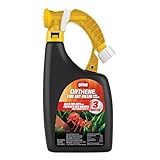
- Top Pick: Ortho Orthene Fire Ant Killer Lawn & Landscape Broadcast Ready-to-Spray | Ready-to-Spray Hose-End Applicator, Kills Fire Ants, Fleas and American Dog Ticks, 32 fl. oz.
- Best Value: Ortho BugClear Insect Killer for Lawns & Landscapes Ready-to-Spray, 32 oz. | Kills Periodical Cicadas, Mosquitoes, Ants, Spiders, Fleas, Ticks & More, Outdoor Bug Spray with Long Lasting Control
- Premium Choice: EcoVenger Ant Killer Insect Spray Plant-Based 16 OZ | Fast Kills House Ants Fire Ants, Residual Deterrence, Nest Treatment, Plant-Based Child and Pet Safe, Citrus Scent.
For fire ants, university extension services generally favor a two-step approach: a slow-acting bait such as Advion Fire Ant Bait, Amdro Fire Ant Bait or Extinguish Plus to wipe out the colony, and a contact mound drench or spray only when a single mound needs a fast knockdown. A spray alone often kills the ants on the surface while the queen survives and the colony moves.
This guide explains how each type works, which named products fit which situation, and how to use them conservatively. Always follow the product label, which is a legal document, and keep pets and children away from treated areas as the label directs.
As an Amazon Associate we earn from qualifying purchases at no extra cost to you.


Bait versus spray versus drench
Baits are granules that workers carry into the colony and feed to the queen and larvae. Because the active ingredient works slowly, the colony is destroyed rather than just the foragers. Sprays and drenches are liquids mixed with water or ready to use, poured on the mound or sprayed on the area. They act on contact and can clear a mound quickly, but they may miss the queen deep in the nest.
Extension services in states with heavy fire ant pressure often describe a broadcast bait for a whole lawn plus individual mound treatment as the most reliable route. If your yard has only a few mounds, treating each one can be enough.
Products at a glance
| Product | Type | Active ingredient listed by the maker | Best for | Limits |
|---|---|---|---|---|
| Advion Fire Ant Bait | Bait | Indoxacarb | Colony control across a yard | Slow-acting; keep bait dry and fresh |
| Amdro Fire Ant Bait | Bait | Hydramethylnon | Broadcast treatment of lawns | Works over days to weeks; bait goes stale if damp |
| Extinguish Plus | Bait with growth regulator | Hydramethylnon plus S-methoprene | Long-term colony suppression | Slow; effect on queens takes time |
| Orthene-type mound treatments (acephate-based) | Dust or granule mound treatment | Acephate | Individual mounds where you want fast action | Contact insecticide; follow label limits closely |
| Bifenthrin-based mound drench or spray products | Liquid drench or spray | Bifenthrin | Quick knockdown of a single mound or perimeter | Does not always reach the queen; can harm non-target insects |
Specific product names and formulations vary by retailer and region. Read the label for the active ingredient, application rate and the maximum number of treatments per season.
Spray-specific notes
If you want a spray, choose one labeled for fire ants and mound drenching, since general insect sprays often do not penetrate the nest. Water the mound according to the label, pour the mixture gently from the outside in so ants do not scatter, and avoid disturbing the mound beforehand. Fire ants sting repeatedly, so wear closed shoes, long pants and gloves.
How to choose
Number of mounds
One to three mounds can be treated individually. A yard with many mounds suits broadcast bait. Treating only the mounds you see often leaves new ones appearing weeks later.
Speed expectations
Baits take days to weeks. Drenches act within hours to days. Some people use both: bait for the colony, a drench for mounds close to doors or play areas.
Weather and timing
Baits work best when ants are foraging, usually in warm weather and when the ground is dry. Apply late in the day or evening in hot weather, and avoid applying right before rain. Make sure the bait is fresh; old or wet bait loses attraction.
Pets, children and gardens
Read the re-entry instructions on the label. Some products must be watered in or kept off edible plants. If you grow vegetables, choose a product labeled for that use, or keep the treatment away from the beds. If a pet or child eats bait or granules, call your vet or poison control right away.
Decision table: pick this if you
| Pick this if you | Consider |
|---|---|
| Have many mounds across a lawn | Broadcast bait such as Advion or Amdro |
| Want longer-term suppression of new colonies | Extinguish Plus or a bait with a growth regulator |
| Have a single mound next to a patio or door | A labeled mound drench or spray, possibly followed by bait |
| Have pets or kids and want the lowest-risk approach | Bait applied exactly to the label, with re-entry rules followed |
| Want a service instead of doing it yourself | A licensed pest control professional |
Budget tiers
Budget baits are often sold in larger containers and can cover a lawn for the season at modest cost. Mid-range products add features like growth regulators. Premium treatments are often professional-grade products or contracts with a pest company. Higher cost does not always mean faster results, so pick the type that matches your problem.
Common mistakes
- Applying bait on wet grass or just before rain.
- Using a spray that is not labeled for fire ant mounds and expecting colony kill.
- Disturbing the mound before treating, which makes the colony relocate.
- Using too much product. More does not make it work faster and may violate the label.
- Mixing treatments without checking the label for compatibility.
- Skipping a follow-up. Many yards need a repeat treatment later in the season.
Safety notes
Pesticides are regulated products. Follow the label for protective equipment, application rates and where the product may be used. Keep products in original containers, out of reach of children and pets, and do not apply near water sources. For persistent infestations, heavy stings or a nest near a home foundation, contact a licensed pest professional. If you or someone else has a severe reaction to stings, such as trouble breathing or swelling of the face, seek emergency medical care.
Alternatives
Boiling water on a mound is a popular home method, but it often kills only part of the colony and can harm grass. Diatomaceous earth and citrus-based products are marketed as natural options, though extension sources describe their results as inconsistent. Professional treatment is the best fit for large properties or recurring infestations.
Frequently Asked Questions
Is bait or spray better for fire ants?
Extension services generally favor bait for colony control, because workers carry it to the queen. Sprays and drenches work faster on individual mounds but may not eliminate the colony.
How long does fire ant bait take to work?
Many baits take several days to a few weeks to reduce a colony. Follow the label, and avoid disturbing mounds during that time.
Can I use a fire ant killer around pets?
Only as directed on the label. Keep pets off treated areas until the label says it is safe, and store product where animals cannot reach it.
When is the best time to apply fire ant bait?
When ants are actively foraging, typically in warm weather on dry ground, often in the evening. Avoid applying right before rain or irrigation unless the label says otherwise.
Why do fire ants keep coming back?
New queens and colonies move in from neighboring areas. Seasonal bait treatments across the yard, and ideally the neighborhood, reduce repeat infestations.
Are natural fire ant remedies effective?
Results are mixed. Some home methods kill ants on contact but do not reliably remove the queen, so many extension sources advise using a labeled product for serious infestations.







Write Your Review
No reviews yet. Be the first to share your experience!