
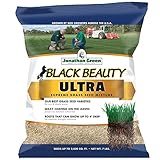
- Top Pick: Jonathan Green Black Beauty Ultra Grass Seed – 7 lb | Grass Seeds, Lawn Seeds, Sun And Shade Grass Seeds, All Grasses, 7 lb Bag, 2800 sq-ft
- Best Value: Jonathan Green Black Beauty Ultra Grass Seed – 25 lb | Drought Tolerant Blend, For Sun & Shade Areas
- Premium Choice: Jonathan Green Black Beauty Ultra Grass Seed – 50 lb | Drought Tolerant Blend For Sun & Shade Areas
For the darkest green lawn, choose Kentucky bluegrass or a turf-type tall fescue blend, and look for cultivar names or mixes marketed as dark green, such as Jonathan Green Black Beauty, Scotts Turf Builder blends or Pennington Smart Seed blends, matched to your sun, shade and climate. Colour is mostly genetics, but it also depends on nitrogen, mowing height and water.
As an Amazon Associate we earn from qualifying purchases at no extra cost to you.


Which Grass Types Are Naturally Dark Green
| Grass type | Colour | Best region and light | Establishment and limits |
|---|---|---|---|
| Kentucky bluegrass | Rich dark blue-green | Cool-season areas, full sun | Slow to germinate; needs regular water |
| Turf-type tall fescue | Medium to dark green | Cool and transition zones, sun to part shade | Bunch-type growth; tougher in heat than bluegrass |
| Perennial ryegrass | Dark green with a glossy look | Cool zones, full sun; often overseeding | Quick to sprout; less tolerant of extreme cold or heat |
| Fine fescues | Medium to dark green, fine blades | Shade and low-fertility spots | Less traffic tolerant |
| Zoysia and bermudagrass | Can be dark green in season | Warm zones, full sun | Go dormant and brown in cold weather |
The comparison reflects standard turfgrass extension guidance. Brand mixes change composition by season and region, so read the label’s variety list.
Brand Mixes Worth Comparing
Jonathan Green Black Beauty
Marketed by the maker for its dark colour and drought tolerance, Black Beauty lines blend tall fescue or bluegrass varieties and are sold as shade or sun mixes. Read the label for the varieties and for coated-seed content.
Scotts Turf Builder grass seed
Scotts offers sun and shade, heat-tolerant and bluegrass mixes. The maker lists coated seed designed to retain moisture and early feeding. Check which Scotts mix matches your region.
Pennington Smart Seed and Rebel lines
Pennington has blends built around tall fescue and Kentucky bluegrass varieties, plus a Rebel turf-type tall fescue line. Pennington states that Smart Seed mixes use coated seed, and the label lists the varieties and percentages.
Specialty and regional seed suppliers
Seed companies and local farm stores often sell named cultivars or certified blends, and local extension offices maintain recommended lists. Cultivars with strong turf quality ratings in trial programs such as the National Turfgrass Evaluation Program tend to be deeper green.
How to Choose
Match the grass to your climate
A dark cool-season grass will struggle in a hot southern summer. If you live in a warm zone, look at zoysia or bermudagrass rather than forcing a cool-season blend.
Read the seed label
Check the variety names, percentage of crop seed, inert matter, weed seed and germination rate and test date. Avoid mixes with high inert or weed seed content. A short list of named improved varieties is a better sign than a vague label.
Light conditions
Kentucky bluegrass and ryegrass want sun. Shade mixes lean on fine fescues and shade-tolerant tall fescue. A mix with the right colour but the wrong light will thin out.
Seeding rate and timing
Cool-season lawns are commonly seeded in early autumn. Follow the label rate, keep the seedbed moist and wait to mow until grass reaches the height the label suggests.
Pick X If…
| Your lawn | Choose |
|---|---|
| Full sun, cool climate, want deepest colour | Kentucky bluegrass blend |
| Mixed sun, heat and drought | Turf-type tall fescue, such as a Black Beauty or Rebel line |
| Fast cover or overseeding | Perennial ryegrass blend |
| Heavy shade | Fine fescue shade mix |
| Hot southern lawn | Zoysia or bermudagrass |
Budget Tiers
- Budget: basic mixes with fewer improved varieties.
- Mid-range: Scotts and Pennington branded blends.
- Premium: named-cultivar bluegrass and professional-grade tall fescue.
Getting a Darker Green Lawn After Seeding
- Feed: nitrogen drives colour, so follow a fertiliser schedule for your grass type and soil test results.
- Mow high: taller grass shades soil and keeps deeper colour.
- Water deeply: infrequent soaks rather than daily sprinkles.
- Check iron and pH: a soil test shows whether colour problems come from the soil.
Seeding Steps for Best Results
- Test the soil through a local extension service so you know pH and nutrient needs.
- Remove weeds and debris, then loosen the top inch or two of soil.
- Spread seed at the rate on the label using a broadcast or drop spreader.
- Rake lightly so seed contacts soil, and apply a starter fertiliser if the label recommends it.
- Water lightly and often until seedlings are established, then shift to deeper, less frequent watering.
- Mow when grass reaches the height the label advises, never removing more than about a third of the blade at once.
New seed versus overseeding
For a bare area, use a seeding mix with starter feed. For an existing lawn that has thinned, overseeding with ryegrass or a matched blend after core aeration can improve density and colour. Match the new seed to what is already growing, or colour and texture will look patchy.
Weed control timing
Many pre-emergent herbicides prevent grass seed from sprouting too. Read product labels carefully and time any weed treatments around seeding.
Common Mistakes
- Seeding a sunny blend in shade.
- Buying on colour claims instead of variety lists.
- Skipping a soil test.
- Seeding at the wrong time of year.
- Letting the seedbed dry out.
Frequently Asked Questions
Which grass seed is the darkest green?
Kentucky bluegrass is usually described as the deepest blue-green, with good turf-type tall fescue and ryegrass close behind. Specific cultivars vary.
Does fertiliser make grass darker?
Nitrogen deepens colour, but overapplying burns the lawn. Follow the label and local extension advice.
When should I plant?
Early autumn is best for cool-season grasses because soil is warm and weeds are fading. Warm-season grasses go in late spring.
How long does grass seed take to germinate?
Ryegrass often sprouts in about a week, tall fescue in one to two weeks and Kentucky bluegrass can take two to four weeks. Moisture and temperature affect this.
Is coated seed worth it?
Makers claim coatings aid moisture retention and early growth, but coating adds weight, so the label’s seed percentage still matters.
Can I mix grass types?
Blends of Kentucky bluegrass with ryegrass or fescue are common. Avoid mixing cool- and warm-season grasses in one lawn.


Write Your Review
No reviews yet. Be the first to share your experience!