
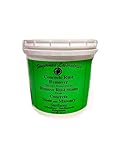
- Top Pick: Singerman Laboratories Rust Remover for Concrete (22 oz makes one gallon)
- Best Value: Iron OUT Outdoor Rust Stain Remover, Concrete & Vinyl Cleaner, 1 Gallon | Premixed Outdoor Cleaner Removes Orange Rust Stains from Concrete, Vinyl & Exterior Surfaces; No Scrubbing, Made in USA
- Premium Choice: CAF Lift Pro | Rust Remover Concentrate | Concrete, Pavers, Brick, Tile | Rust stain remover concentrate cleans concrete, pavers, brick, tile, grout, patio & driveway surfaces without scrubbing
For most rust stains on concrete, an oxalic-acid or citric-acid based cleaner is the safest place to start, while a dedicated rust stain remover such as Iron Out suits older orange driveway and garage stains; the strongest hydrofluoric-acid products belong only with experienced users in full protective gear. The right pick depends on how deep the stain is, whether the concrete is sealed and whether grass, plants or pets are nearby.
As an Amazon Associate we earn from qualifying purchases at no extra cost to you.


What Rust on Concrete Actually Is
Orange or brown marks on concrete come from iron compounds, usually from rusting metal, well water, fertilizer or sprinkler runoff. The iron oxidizes and wicks into the pores of the slab. Surface scrubbing alone rarely lifts it. Rust removers work by chemically dissolving or converting the iron into a soluble form that can be rinsed away, so the main differences between products are the active acid, how aggressive they are and how they affect the concrete and nearby surfaces.
Types of Rust Remover for Concrete
- Oxalic acid cleaners: A mild organic acid, common in wood and concrete brighteners and some powder cleansers. Reviewers describe it as effective on light to moderate stains with gentler handling than stronger acids.
- Sodium hydrosulfite based removers: Iron Out is a well known example; the maker describes it as a rust stain remover for household surfaces, and it is widely used on concrete and fiberglass.
- Citric and phosphoric acid gels: Gel formulas cling to vertical or sloped areas and are marketed for lighter stains.
- Hydrofluoric acid products: Products in this class, such as certain Whink rust stain removers, are described by their makers as very powerful and carry strict warnings about skin, eyes and fumes.
At a Glance
| Product type | Best for | Maker-style notes | Limits |
|---|---|---|---|
| Iron Out Rust Stain Remover | Driveways, patios, garage slabs | Maker positions it for rust stains on many household surfaces | Can leave a residue if not rinsed; follow the label on dilution |
| Oxalic acid cleaner (powder or brightener) | Light to moderate stains, sealed slabs | Milder than hydrofluoric products | Needs dwell time; may need repeat applications |
| CLR Calcium, Lime and Rust | Mixed hard-water and rust stains | Maker lists it for mineral deposits and rust | Check the label before using on concrete; strong acids can etch |
| Whink Rust Stain Remover | Stubborn stains where gentler options fail | Maker issues strong safety warnings | Hazardous; not for casual use, damages many surfaces |
| Gel rust removers | Vertical edges, steps, curbs | Cling to surfaces | Less suitable for large flat slabs |
How to Choose
Start with the stain
Fresh, light orange marks around a patio chair leg respond best to the mildest cleaner. Deep brown rings from years of rusty cans or sprinkler spray often need a stronger formulation or several treatments. If you are unsure of the stain source, test a small hidden area first.
Consider the concrete
Sealed or stamped concrete can be etched or dulled by acids. Plain broom-finished slabs usually tolerate more. If the slab has a decorative stain or coating, test first and read the product label for surface warnings. Acids can also affect nearby metal, stone, plants and paint, so cover or rinse surroundings.
Think about safety first
Acid based cleaners can irritate skin and eyes and give off fumes. Makers typically instruct users to wear gloves and eye protection, work in ventilated areas and keep products away from children and pets. Never mix cleaners, especially acids with bleach, which can release hazardous gas. Hydrofluoric acid in particular can cause serious injury; if a product lists it, follow every warning and consider hiring a professional.
Decision Table
| Pick this if… | Choose | Reason |
|---|---|---|
| You have a light stain and want low risk | Oxalic acid cleaner | Milder handling |
| You have a typical driveway rust spot | Iron Out style remover | Made specifically for rust stains |
| Stain mixes rust and hard-water scale | CLR style cleaner | Targets both deposits |
| Stain is vertical or on steps | Gel formula | Stays in place |
| Everything else failed | Call a concrete cleaning professional | Safer than stronger acids at home |
Basic Application Steps
- Sweep and rinse the area, then wet the concrete lightly so the product does not soak deep.
- Put on gloves, eye protection and suitable footwear and ventilate the space.
- Apply the product exactly as the label directs, working on a small section first.
- Allow the dwell time listed by the maker; do not let the product dry on the surface unless the label says so.
- Scrub with a stiff nylon brush, then rinse thoroughly with water.
- Repeat on stubborn areas and let the slab dry fully before judging the result.
Common Mistakes
- Using bleach on rust. Bleach does not remove iron stains and can set them.
- Skipping a test patch on sealed or colored concrete.
- Applying acid on a hot, sunny slab where it dries instantly.
- Pressure washing alone without a chemical step; water pressure rarely dissolves iron.
- Forgetting to rinse runoff away from plants and drains.
Preventing the Stains Returning
If sprinklers deposit iron from well water, a rust-prevention filter or aimed sprinkler heads can address the source. Move metal furniture, planters and tools off the slab or use rubber feet. A penetrating concrete sealer, applied to clean dry slabs as directed by its maker, can help slow staining, although it will not prevent every mark.
Matching Strength to Stain Age
New stains sit near the surface and often lift with a single application of a mild product. Older stains that have been rained on and baked by sun penetrate deeper, and the iron compounds may have changed form, so several rounds with a brush between them are common. Plan the work on a dry, mild day, when the slab is not so hot that the product evaporates. Work in sections no larger than you can rinse before the product dries, and keep a hose and a bucket of clean water within reach. If a stain fades only partly, stop, rinse and let the slab dry before deciding whether to repeat, because wet concrete looks darker and can hide progress.
Frequently Asked Questions
Will rust remover damage my concrete?
Mild acids at label directions usually do minimal harm to plain concrete, but strong acids can etch the surface. Test a small area first and rinse thoroughly. Decorative coatings are more vulnerable.
Can I use vinegar or lemon juice?
Household acids such as vinegar or lemon juice are sometimes used on very light stains. They are weaker than dedicated products and may take repeated applications. Concrete is alkaline, so acids will also react with the surface.
Why did the rust come back after cleaning?
Stains can reappear if iron remained deep in the pores or if the source, such as sprinklers or metal items, is still present. Treat deeper stains again after drying and remove the source.
Is it safe around pets and plants?
Most makers advise keeping pets and children away until the area is rinsed and dry, and some warn about damage to grass and plants. Wet nearby vegetation first and rinse runoff well.
When should I hire a professional?
Consider a professional when stains cover large areas, when the concrete is decorative or sealed, or when only hazardous chemicals appear to work. Professionals have the equipment and training to handle strong acids safely.





Write Your Review
No reviews yet. Be the first to share your experience!