
- Top Pick: Osprey Rook 65L Men's Backpacking Backpack, Brown OS | hiking pack, camping gear, overnight trail pack, Brown color, OS size
- Best Value: Teton 65L Scout Internal Frame Backpack for Hiking, Camping, Backpacking, Travel, Rain Cover Included, Black
- Premium Choice: Osprey Rook 65L Men's Backpacking Backpack, Gray OS | hiking pack, camping gear, overnight trail pack, Gray color, OS size
If you want a 65L backpack for multi-day trips, the Gregory Baltoro 65 suits buyers who carry heavy loads and want comfort, the Osprey Atmos AG 65 suits hikers who want a ventilated back panel and lower weight, the Osprey Aether 65 suits those who prioritise durability and fit, and the Deuter Aircontact 65+10 is the value pick with an expandable main compartment. Which one is right depends less on the number of litres and more on your torso length, your typical pack weight and the climate you travel in. This guide walks through each trip type and shows how the leading packs compare on what makers and reviewers report.
- Quick Comparison of 65L Packs
- Which 65L Pack Fits Which Trip?
- Fit First: How to Size a 65L Pack
- Features Worth Paying For
- Pick X If… Decision Table
- Budget Tiers Explained
- Mistakes People Make With 65L Packs
- Reading Reviews Sensibly
- Breaking In and Adjusting Your Pack
- Care and Maintenance
- Alternatives to a 65L Pack
- Frequently Asked Questions
As an Amazon Associate we earn from qualifying purchases at no extra cost to you.


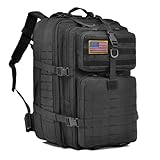
Quick Comparison of 65L Packs
| Pack | Best trip type | Stated highlights | Trade-off |
|---|---|---|---|
| Gregory Baltoro 65 | Week-long treks with heavy food and gear | Live for the Outdoors praises its 2026 redesign with FreeFloat A3 suspension and names it its best backpacking pack | Reported weight of up to about 2.38 kg depending on size |
| Osprey Atmos AG 65 | Warm-weather trips with moderate loads | Switchback Travel ranks it among top backpacking packs; Anti-Gravity ventilated back panel | Cleverhiker suggests a recommended load around 40 lb, lower than heavier-duty packs |
| Osprey Aether 65 | Rugged routes and long-term use | Cleverhiker calls it very durable with a 60 lb recommended maximum and a custom-fit harness | About 5 lb as reported; some reviewers find it less forgiving than the Baltoro |
| Deuter Aircontact Lite 65+10 / Core 65+10 | Budget heavy-load trips or ventilated alternatives | Adventure Junkies pick the Lite for heavy loads; another roundup picks the Core for ventilation | Larger 65+10 shape when fully extended; fit depends on the back system |
Maker specifications, sizes and weights change between model years. Read the maker’s page for your size, and treat outlet rankings as opinions that depend on each reviewer’s route, load and body shape.
Which 65L Pack Fits Which Trip?
Three to five days in mild weather
A modest load of food, a shelter, a sleeping bag and a few layers fits well in a 65L pack without pushing its limits. The Osprey Atmos AG 65 is a natural candidate because reviewers praise its ventilation and comfort at moderate weights. If you pack light, you can leave some space unused.
Five to seven days with a heavy load
More days mean more food, which is dense and heavy. Here, a stiffer frame matters. Reviewers frequently name the Gregory Baltoro 65 as the comfort leader with heavy loads and the Osprey Aether 65 for its durability and stated 60 lb recommended maximum, according to Cleverhiker.
Shoulder-season and winter trips
Insulated clothing and a warmer sleeping bag take up volume. A 65L pack may be tight, and expandable designs such as the Deuter Aircontact 65+10 can give extra space for bulky items. Winter use also benefits from a hipbelt that fits over thicker layers.
Long-haul travel and one-bag trips
Many travellers use a 65L pack as their only bag, packing clothes, toiletries, a laptop and perhaps a portable console. If this is you, think about zip-away harnesses, theft-resistant zippers and how the pack behaves in airline handling. Trekking packs tend to have exposed straps that may snag on conveyors, so a protective cover is useful.
Fit First: How to Size a 65L Pack
Measure your torso from the base of the neck to the hip line and match it to the maker’s chart. Most makers also offer hipbelts in different sizes and, on some packs, adjustable torso lengths. When trying a pack on, load it with weight, tighten the hipbelt first so it sits on your hip bones, then adjust the shoulder straps and load lifters until the weight rides mainly on your hips. If you feel pressure points, hot spots or the pack swaying, try another size or model. A good fit often matters more than any single feature.
Features Worth Paying For
- Adjustable suspension: Lets you fine-tune the torso length. The Aether is described by reviewers as offering custom fitting.
- Back ventilation: Tensioned mesh, as in the Atmos AG, helps in heat, while foam panels sit closer to the body.
- Load lifters and compression straps: Keep the load stable and close to your back.
- Hipbelt pockets: Handy for snacks, a phone and small items.
- Sleeping bag compartment: A removable divider can help organise heavy gear.
- Rain cover or waterproof liner: Protects gear in sustained rain.
- Hydration compatibility: An internal sleeve and hose port suit those who prefer a reservoir.
Pick X If… Decision Table
| Pick this | If you… |
|---|---|
| Gregory Baltoro 65 | want maximum comfort with heavy loads and accept the extra weight |
| Osprey Atmos AG 65 | want airflow and a lighter pack and keep your loads moderate |
| Osprey Aether 65 | want a tough, long-lasting pack with a custom-fit feel for heavier loads |
| Deuter Aircontact Lite 65+10 | want a value heavy-load pack with extra volume available |
| Deuter Aircontact Core 65+10 | want a ventilated back system with an expandable top |
Budget Tiers Explained
Budget tier: The Deuter Aircontact Lite is described by Adventure Junkies as the cheapest of the packs it covers. You give up some ventilation but gain heavy-load capability.
Mid-range tier: The Osprey and Gregory packs in this guide generally sit here, with better suspensions, finer fit adjustment and more durable materials.
Premium tier: Specialist lightweight or expedition packs sit above. They make sense for frequent trekkers who want to save every gram or take on extreme conditions.
Mistakes People Make With 65L Packs
- Choosing a size by height instead of torso length.
- Carrying heavy gear in the lid or far from the back.
- Exceeding the maker’s recommended load.
- Ignoring hipbelt fit.
- Assuming a pack is waterproof.
- Not breaking in the pack with a few shorter walks before a long trip.
Reading Reviews Sensibly
Pack reviews reflect the reviewer’s body, route and load. A pack that one outlet praises for ventilation may feel unstable to someone who carries a heavier kit, and a pack described as heavy may be perfectly acceptable if you value structure. Look for patterns across several outlets rather than a single score, and read how each reviewer describes their torso length, load weight and climate. Note that several roundups are supported by affiliate links, so favour reviews that explain the reasoning behind a ranking, not only the ranking itself. When two outlets disagree, as Cleverhiker and others do on how forgiving the Aether feels compared with the Baltoro, that disagreement is a sign that fit matters more than the headline recommendation.
Breaking In and Adjusting Your Pack
Before a long trip, load the pack with the weight you plan to carry and walk for an hour or two on varied ground. Adjust the hipbelt height, shoulder strap length, load lifters and sternum strap, then note any hot spots. Small changes make a large difference: raising the load lifters slightly can take weight off the shoulders, and moving the sternum strap can free breathing. If you notice numbness in your hands or arms, loosen the shoulder straps and shift weight to the hips. If pain persists, try another size or model, and see a doctor if discomfort continues after you stop using the pack.
It also helps to practise packing. Lay out every item, remove anything you did not use on a previous trip, and weigh the loaded pack. Many hikers find that a few small cuts, such as a lighter stove or fewer spare clothes, bring the pack well within its recommended load and make a 65L bag feel much more comfortable over several days.
Care and Maintenance
Empty and shake out the pack after each trip. Wash it by hand in lukewarm water with mild soap, and let it dry fully away from direct sun and heat. Avoid machine washing, which can damage coatings and foam. Check buckles, zips and stitching before each trip, and carry a small repair kit with spare buckles and cord for longer routes. Store the pack loosely, not compressed.
Alternatives to a 65L Pack
Smaller 50 to 55L packs
If you pack light and want a smaller, lighter pack, a 50 to 55L model may suffice. The reduced volume forces tighter packing and typically saves weight.
Larger 70 to 80L packs
For winter expeditions or group gear, a larger pack gives room, at the cost of weight and a temptation to overpack.
Travel packs and duffels
If your journeys are mostly urban or airport-based, a travel backpack or wheeled duffel may suit better than a technical trekking pack.
Frequently Asked Questions
Is 65L too big for a weekend trip?
For a weekend, a 65L pack is often more than you need. If you pack light, a 40 to 50L pack saves weight. If your gear is bulky, such as winter clothing or camera kit, 65L can still make sense.
What does 65+10 mean?
Deuter and some other makers list a base volume and an extension. A 65+10 pack holds about 65 litres normally and can expand by around 10 litres through an extension collar or lid. Use the extra volume only when needed, so the pack stays compact.
Which is more comfortable, Baltoro or Aether?
Cleverhiker reports that the Aether felt less forgiving than the Baltoro at similar loads, while other outlets praise the Aether for durability and fit. Comfort is personal, so try both with weight if possible.
How heavy should I load a 65L pack?
Stay within the maker’s recommended range, which reviewers cite at about 40 lb for the Atmos AG and about 60 lb for the Aether. Keeping your pack weight down makes any pack more comfortable.
Can I use a 65L pack as carry-on luggage?
Usually not. Most airlines treat packs of this size as checked baggage. Confirm the airline’s size and weight limits before you travel.
How do I keep my gear dry?
Use a rain cover and a waterproof liner or dry bags inside the pack. Keep electronics in sealed bags and carry them close to your back.







Write Your Review
No reviews yet. Be the first to share your experience!