
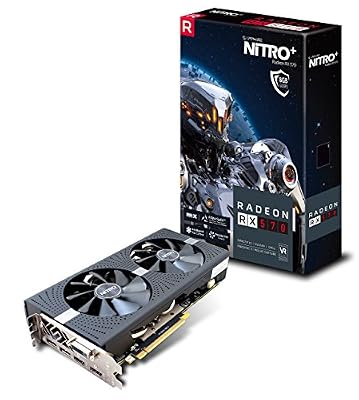
- Top Pick: Sapphire 11266-09-20G Radeon Nitro+ Rx 570 8GB GDDR5 Dual HDMI/ DVI-D/ Dual DP with Backplate (UEFI) PCI-E Graphics Card (Renewed)
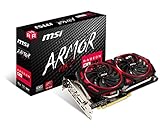
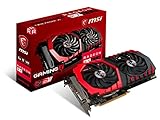
- Best Value: MSI Gaming Radeon RX 570 256-bit 8GB GDRR5 DirectX 12 VR Ready CFX Graphcis Card (RX 570 ARMOR MK2 8G OC)
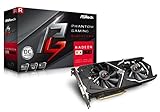
- Premium Choice: ASRock Phantom Gaming X Radeon RX 570 DirectX 12 RX570 8G OC 8GB 256-Bit GDDR5 PCI Express 3.0 x16 HDCP Ready Video Card
RX 570 remains one of the best-value entry points into PC gaming, delivering smooth 1080p esports performance for one of the lowest used prices you will find anywhere. For first-time builders and budget gamers watching every dollar, it is a perennial favorite on the second-hand market. But is the RX 570 still worth buying in 2026, and what should you check before you buy? This review breaks down the real performance, what owners report, and whether this budget legend still earns a spot in your build.
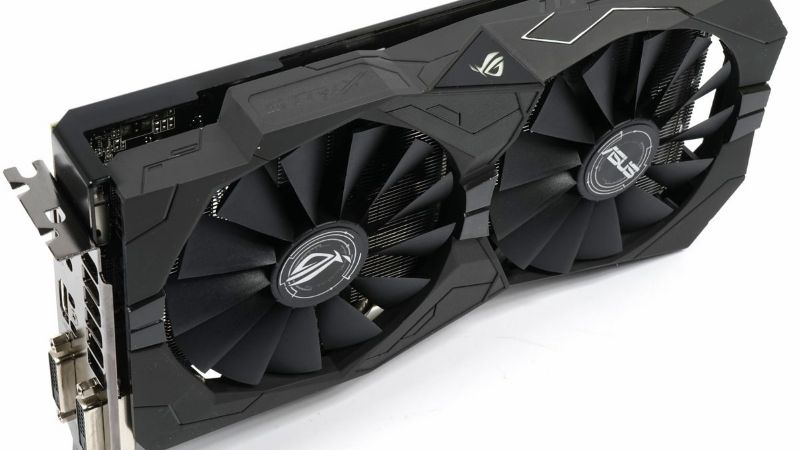
RX 570 in 2026: Specs and Real-World Performance
Before deciding whether to buy, it helps to understand exactly what the RX 570 offers and how it copes with modern games. This was a solid mid-budget card in its day, and its generous memory options have helped it age better than many rivals, even as its efficiency shows its years. Here is a grounded look at its specifications and the performance you can realistically expect from it now.
As an Amazon Associate we earn from qualifying purchases at no extra cost to you.




RX 570 Key Specs at a Glance
The RX 570 is built on AMD’s Polaris architecture and pairs a wide memory bus with a choice of VRAM capacities, which is a big reason it remains so usable for budget 1080p gaming.
| Spec | RX 570 |
|---|---|
| Architecture | Polaris (GCN) |
| VRAM | 4GB or 8GB GDDR5 |
| Memory bus | 256-bit |
| Stream processors | 2,048 |
| Board power | ~150W |
| Recommended PSU | 450W |
| Typical used price | ~$70–$100 |
The standout RX 570 specs are the wide 256-bit memory bus and the availability of an 8GB VRAM version, which together give the card real staying power at 1080p. Its ~150W power draw is higher than modern efficient cards, but it is easy enough to feed on a modest supply.
When shopping used, the 8GB version is the one to seek out. That larger buffer helps the RX 570 hold textures in modern games where the 4GB model has to compromise, and it usually costs only a little more on the second-hand market.
1080p Gaming Performance Today
At 1080p, the RX 570 remains a capable esports and budget-gaming card in 2026. It runs popular competitive titles like CS2, Valorant, and Rocket League at high frame rates, and handles many mainstream AAA games at medium-to-high settings around 60 fps.
The 8GB version in particular punches above its price, using that larger buffer to keep textures loading cleanly where cheaper 4GB cards stutter. For anyone asking whether the RX 570 is still good for 1080p esports, the answer is a confident yes for the games most budget players actually play.
To be concrete, popular competitive titles run comfortably at high settings and high frame rates, easily feeding a standard 60Hz or 75Hz monitor and often more in lighter games. Mainstream single-player titles are playable at medium-to-high settings, while the most graphically intense recent releases are where you will trim settings to keep things smooth. That profile makes the RX 570 an ideal match for its target buyer: a young or first-time gamer focused on esports and mid-weight titles rather than cutting-edge AAA visuals.
The clear limitation is the newest, most demanding AAA titles. Here the RX 570’s aging architecture and lack of modern features mean you will lower settings to stay smooth, and with no ray tracing or upscaling to fall back on, it relies entirely on raw rasterized performance.
What Owners Say: Reliability and Common Complaints
Owner feedback on the RX 570 is overwhelmingly positive on value, with countless first-time builders crediting it as the card that got them into PC gaming affordably. Buyers repeatedly praise how well it runs esports titles and how little it costs to acquire second-hand.
The most common complaints are typical for an older budget card. Owners frequently mention the higher power draw and heat compared to modern cards, and some note that ex-mining units—common for this model—can arrive with worn fans that need cleaning or replacement to run quietly.
The consensus is that the RX 570 is a fantastic budget value as long as you buy a healthy unit and set realistic expectations. Its status as a first-build favorite is well earned, provided you check condition carefully given how many were used for mining.
It is worth noting how much goodwill this card has built over the years. Because so many gamers started on an RX 570, there is a deep well of community knowledge around it—driver tips, undervolting guides, and fixes for common issues—which makes it an unusually forgiving card for a first-time builder. That support base, combined with its low entry price, is a real part of why the RX 570 keeps getting recommended long after newer cards have arrived.
Is the RX 570 Still Worth Buying?
The specs and performance make a strong case, but whether the RX 570 fits your needs in 2026 depends on how you play and what you expect. This is a card with a clear sweet spot and equally clear limits. Here is an honest assessment of where it still delivers and where its age holds it back.
Where the RX 570 Still Shines
The RX 570 is at its best as an ultra-affordable 1080p esports card. For a first gaming PC or a tight-budget build focused on competitive titles, it delivers smooth, high-frame-rate performance at a price almost nothing else can match.
The 8GB version also makes it a smart pick for budget players who want a little future headroom. That larger buffer lets it handle modern textures better than many similarly-priced cards, stretching its usefulness in mainstream games beyond what its age suggests.
For young or first-time builders who want maximum gaming value and play mostly esports and mid-weight titles, the RX 570 remains one of the best entry points into the hobby, delivering real performance for very little money.
Pros and Cons of the RX 570 in 2026
Every budget card is a set of trade-offs, and the RX 570 wears its value and its age openly. Here is the direct breakdown to help you decide.
- Pros: Excellent 1080p esports value, 8GB version available, wide 256-bit memory bus, extremely cheap used, great for first builds.
- Cons: Higher ~150W power draw and heat, aging architecture, no ray tracing or DLSS, many ex-mining units to filter through.
The balance strongly favors the RX 570 for budget esports and first-time builds, and against it for anyone who wants efficiency, modern features, or high settings in the latest AAA games.
Power, Heat, and System Requirements
The RX 570 is easy enough to accommodate in most builds. Its ~150W draw needs a single power connector and a modest 450W supply, so the majority of systems can run it without any special upgrade.
Thermally, it runs warmer than modern efficient cards, so a used unit benefits from a quick clean and a check that its fans are in good shape. It fits standard cases without issue, though its higher heat rewards a build with reasonable airflow.
None of these requirements are demanding, which is part of the RX 570’s appeal for first-time builders. It slots into most systems easily and rarely forces additional purchases beyond the card itself.
Buying a Used RX 570: Value and Alternatives
If the RX 570 sounds right for your build, the final step is buying wisely, understanding the market, and knowing your alternatives. Because this card was so popular—including for mining—condition matters a great deal. Here is what to check, what the market means for timing, and who should ultimately buy it.
Fair Used Pricing and What to Check
The RX 570 typically sells in the $70–$100 range used, with the 8GB version at the higher end and well worth the small premium. Aim for a clean unit at a fair price rather than the absolute cheapest listing, since many of these cards saw heavy mining use.
Because so many RX 570s were used for mining, inspecting condition is especially important. Ask for photos and a benchmark or temperature screenshot, confirm the fans spin smoothly, and be prepared to clean or repaste an otherwise healthy card that has seen hard use.
Whenever possible, test the card in demanding games within a return window, watching for artifacts or crashes. A tested, well-maintained RX 570 is a genuine bargain; an untested one is a gamble worth avoiding.
Should You Buy Now? The 2026 Used Market
Timing affects value even at this low price point. Component prices have been trending upward again across the PC market, and that pressure flows into used GPU listings, where the RX 570 lives. Because the card is already so cheap, even a small price increase noticeably changes its value proposition.
The reassuring news is that the market has stabilized. Prices have stopped climbing as sharply as they did in late 2025 and have settled into a stretch of relative stability, though more volatility remains possible. Fresh memory supply is also coming, with new fabrication capacity in the pipeline, but those facilities are not expected to run until 2027–2028, so real relief is years away rather than imminent.
For a budget buyer, the takeaway is clear: when a clean RX 570 appears at a fair price today, it is smarter to buy than to wait for a discount the market is not signaling. Watching listings for a few days to learn the going rate pays off before you commit, and you can compare current pricing through the links here in seconds.
See More:
Alternatives and Final Verdict
If your budget can stretch a little, alternatives are worth a look. A GTX 1650 offers lower power draw for similar performance, while a used RX 580 or GTX 1660 Super steps up performance for a modest price increase, so all three deserve a quick comparison before you buy.
Still, the RX 570 frequently undercuts those cards on price while delivering excellent 1080p esports performance, which keeps it competitive as the pure value pick. Its 8GB version in particular remains one of the best bargains for budget gaming.
The RX 570 is the right choice for first-time and budget-focused builders who play esports and mainstream titles at 1080p and want maximum value. It is a weaker fit for anyone who prioritizes efficiency, modern features, or high settings in the newest AAA games.
In summary, the RX 570 endures as a budget gaming legend, delivering smooth 1080p esports performance and a genuinely useful 8GB VRAM option at one of the lowest used prices around. Its drawbacks—higher power draw and no modern features—are easy to accept at this price, provided you buy a clean, tested unit given how many saw mining duty. For budget value in 2026, the RX 570 remains a superb entry point—just shop carefully, buy while pricing is stable, and it will reward a first-time builder with real gaming performance for very little money.
Top-Rated Picks


Best Seller
MSI Gaming Radeon RX 570 256-bit 8GB GDRR5 DirectX 12 VR Ready CFX Graphcis Card (RX 570 ARMOR MK2 8G OC)

| Product | Brand | Rating | Reviews | Price |
|---|---|---|---|---|
| ARCTIC MX-4 (4 g) – Premium Performance Thermal Paste… | ARCTIC | ★ 4.8 | 104k | $4.99 |
| ARCTIC MX-4 (incl. Spatula, 4 g) – Premium Performanc… | ARCTIC | ★ 4.8 | 71.9k | under $10 |
| Crucial 8GB DDR4 RAM 3200MHz (PC4-25600), Downclockab… | Crucial | ★ 4.8 | 62.8k | under $80 |
| AMD Ryzen 5 5600X 6-core, 12-thread unlocked desktop … | — | ★ 4.8 | 30.2k | under $200 |
| NVIDIA Shield Remote; Voice Search, Motion-Activated,… | — | ★ 4.7 | 10.6k | under $30 |
Frequently Asked Questions
Is the RX 570 still worth buying used in 2026?
Only at a very low price, typically well under fifty dollars. It still delivers playable 1080p performance in esports titles and older AAA games at medium settings, but it is a 2017 Polaris card drawing roughly 150W, so newer budget cards offer far better performance per watt.
How much VRAM should I look for on an RX 570?
Buy the 8GB version whenever possible. The 4GB variant is common and cheap but runs out of memory in modern titles, causing stuttering and texture pop-in. With 8GB the card can at least load high-resolution textures even when the GPU itself limits your frame rate.
What power supply and connector does it need?
The RX 570 typically draws around 150W and uses a single 8-pin PCIe connector, though some models use 6-pin or 6+8-pin. Because of transient spikes on Polaris cards, use a genuine 500W supply from a reputable brand rather than a low-cost bundled unit.
How do I check whether a used RX 570 was mined on?
Run a stress test and watch for clock throttling, VRAM temperature issues, or artifacts. Inspect the fans for noise and wobble since bearings wear out first, and check whether the BIOS has been modified for mining timings. Repasting and new thermal pads often restore a tired card.
Does the RX 570 still get driver updates?
Polaris cards have moved to a maintenance driver branch with security and critical fixes rather than regular game-ready optimizations. Existing games run fine, but do not expect day-one tuning for new releases. FSR still works since it is shader-based and does not require newer hardware.
Ready to decide? Our #1 pick for 2026 is the Architecture.
Live price & availability on Amazon.


Write Your Review
No reviews yet. Be the first to share your experience!