
- Top Pick: NVIDIA RTX PRO 4000 Blackwell Graphics Card – 24GB GDDR7 ECC Memory, PCIe 5.0 x16, 4X DisplayPort 2.1b, Single Slot Full Height AI Workstation GPU, Retail Packaging
- Best Value: PNY NVIDIA RTX PRO 6000 Blackwell MAX-Q Workstation Edition Dual Fan 96GB GDDR7
- Premium Choice: Nvidia RTX Pro 4000 Blackwell 24 GB Gddr7 (NVIDIA Rtx Pro 4000 Blackwell – Graphics Card – Rtx Pro 4000 Blackwell – 24 GB Gddr7 – Pcie 5.0 X16 – 4 X
NVIDIA Blackwell is the architecture powering everything from the AI data centers reshaping the tech industry to the RTX 50 graphics cards gamers have been waiting to buy. If you have heard the name attached to both massive AI chips and new GeForce cards and want to understand what it actually means for you, this review connects the dots. It explains what Blackwell is across the whole lineup, what it delivers for gamers in the RTX 50 series, how the current hardware market affects buying one, and which Blackwell GPU makes sense for your needs.
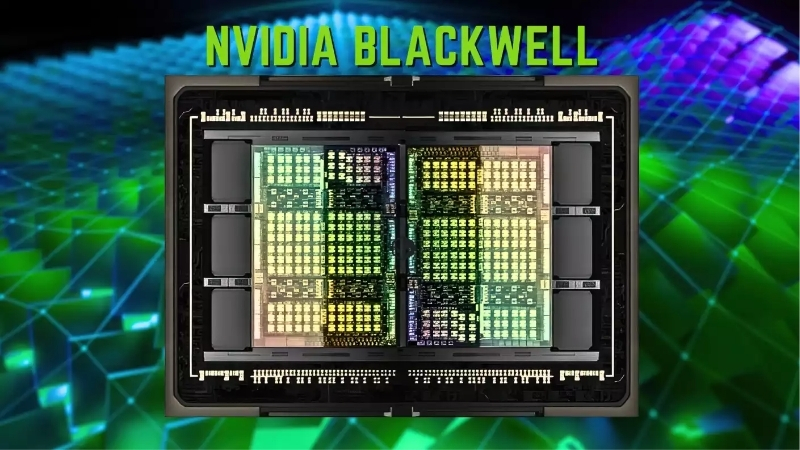
What NVIDIA Blackwell Is
Blackwell is NVIDIA’s GPU architecture succeeding Ada Lovelace and Hopper, and it spans an unusually wide range, from the largest data-center AI accelerators down to consumer gaming cards. That breadth is what makes the name confusing: the same architecture underpins both a million-dollar AI rack and a graphics card in a gaming PC. Understanding how Blackwell scales across these very different products is the key to knowing which part of the story applies to you. Here is what Blackwell is and where it shows up.
As an Amazon Associate we earn from qualifying purchases at no extra cost to you.


The Architecture Across the Lineup
Blackwell is a single architectural generation implemented in very different products. At the top are data-center chips built for AI, and at the consumer end are the GeForce RTX 50 series gaming cards. They share architectural DNA but are tuned for opposite purposes.
The common threads are improvements in efficiency, AI processing, and new-generation features, applied differently depending on whether the goal is training frontier models or rendering games at high frame rates.
This is why you see Blackwell mentioned alongside both AI supercomputers and gaming benchmarks; it is one architecture wearing many hats, and which hat matters depends entirely on what you do.
Blackwell in the Data Center
In the data center, Blackwell powers flagship AI accelerators like the B200 and the Grace Blackwell GB200 superchip, designed for training and serving the largest AI models. These bring huge memory, bandwidth, and low-precision compute for frontier-scale work.
This is the side of Blackwell driving headlines and NVIDIA’s data-center growth, deployed by hyperscalers and AI labs. It is enterprise hardware, accessed by most people through cloud services rather than owned directly.
For the average reader, the data-center side is context: it explains why Blackwell matters to the industry and to NVIDIA’s business, even if you will never buy one of these chips yourself.
Blackwell for Gamers: The RTX 50 Series
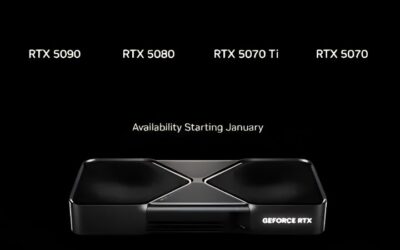
The part most readers care about is the GeForce RTX 50 series, Blackwell’s consumer gaming cards. These bring the architecture’s efficiency and AI advances to gaming, with new-generation features aimed at higher performance and better visuals.
Headlining the gaming benefits are advances in DLSS and frame generation, improved ray tracing, and better efficiency, the tangible gains a gamer actually experiences. This is where Blackwell becomes something you can buy and use at home.
So while the data-center chips grab headlines, the RTX 50 series is how Blackwell reaches gamers, and it is the practical focus for anyone reading this to upgrade their gaming PC.
What Blackwell Means for Buyers
For most readers, Blackwell’s significance comes down to the RTX 50 series and whether it is a smart upgrade right now, which depends on both what the cards deliver and what the current hardware market looks like. Performance gains matter, but so does timing in a market that has been volatile. This section covers the real gaming improvements, the buying climate you face today, and the honest trade-offs of the generation. Here is what it means for you.
Key Improvements for Gaming
The RTX 50 series brings meaningful gaming gains: stronger raw performance, the latest DLSS with improved frame generation for higher frame rates, better ray tracing and path tracing, and improved efficiency. For demanding games and high-refresh or high-resolution play, these add up.
The AI-driven features are the standout, since Blackwell’s enhanced AI hardware powers the newest DLSS capabilities that boost frame rates and image quality together. This is where the generation delivers its most visible everyday benefit.
For gamers upgrading from older cards, the combination of native performance and smarter AI upscaling is the core reason to consider a Blackwell RTX 50 card over a previous generation.
The efficiency angle is worth drawing out, because it affects more than your electricity bill. Better performance per watt means a Blackwell card can deliver more frames without demanding as much extra power and cooling as a brute-force approach would, which matters for smaller cases, quieter builds, and modest power supplies. For anyone upgrading an existing system rather than building fresh, that efficiency can be the difference between a straightforward drop-in and needing a new power supply or better airflow. It is a less glamorous benefit than frame rates, but it is one that shapes how easily the card fits into the PC you already own.
Buying an RTX 50 Card in Today’s Market
Timing a purchase matters right now because the broader PC hardware market has been volatile. Component prices have been trending upward, and while the steepest increases of late 2025 have eased, the market has stabilized rather than fallen. If you have been waiting for prices to drop before buying an RTX 50 card or the rest of a new build, the honest picture is that meaningful relief is not imminent.
Memory is central to this. Prices rose sharply, and although new supply is coming, DDR5 sourcing from manufacturers like CXMT and Micron’s two new plants under construction in Idaho, those facilities are not expected to be running until 2027 to 2028. Added capacity is real, but it is years out, not months, which keeps pressure on the cost of the RAM that goes alongside a new graphics card.
There are genuinely positive signs, they are simply modest and further off than buyers would like. Prices have stopped climbing at the pace they did through late 2025, and some manufacturers have reported a stretch of relative stability while cautioning that further swings remain possible. For someone eyeing an RTX 50 card, the practical conclusion is that waiting for a broad price collapse is unlikely to pay off before those new fabs come online, so if you need the upgrade, buying when you need it is more sensible than holding out indefinitely. The graphics card itself is less tied to the memory crunch than RAM is, but a full build still feels the elevated prices, so budget for that reality rather than assuming imminent relief. In this climate, timing your purchase around genuine need, rather than a hoped-for drop, is the realistic strategy.
Pros and Cons of the Blackwell Generation
Every new generation is a mix of real gains and honest caveats, so weighing them helps you decide whether to jump in now. Here is the balanced view for the RTX 50 lineup.
Pros: strong performance gains, the latest DLSS and frame generation for higher frame rates, improved ray tracing and efficiency, and future-proofing with the newest features. For a meaningful upgrade over older cards, Blackwell delivers. Cons: elevated pricing in the current market, tight availability on top models at launch, and a full build costing more than a year ago thanks to memory prices. The gains are real, but so is the cost climate.
Getting Into Blackwell
With the architecture and market understood, the practical step is choosing the right Blackwell GPU for your needs and budget, since the RTX 50 lineup spans from mainstream to flagship. Matching the card to your resolution, games, and wallet is what turns interest into a smart purchase. This final section covers how to pick, which cards to consider, and the bottom line on the Blackwell generation.
Which Blackwell GPU Is Right for You
The right RTX 50 card depends on your target: mainstream models suit 1080p and 1440p gaming at high frame rates, mid-range cards handle 1440p and entry 4K, and the flagship cards target high-refresh 4K and the most demanding path-traced games. Match the card to your resolution and the games you play.
Do not overbuy for capability you cannot use, a flagship card paired with a 1080p 60Hz monitor wastes most of its potential. Balance the GPU against your monitor and the rest of your system for the best value.
For most gamers, a mid-range Blackwell card hits the sweet spot of strong performance at a sensible price, while enthusiasts chasing 4K and path tracing step up to the higher tiers.
It also pays to think about how long you want the card to last. Buying slightly above your current needs can extend how many years a card stays comfortable as games grow more demanding, but overbuying far beyond your monitor and typical games wastes money that would be better spent elsewhere in the build. The sensible middle is a card that comfortably handles your current resolution with headroom to spare for the next few years of releases, which for most players lands in the mid to upper-mid tier rather than the flagship.
Recommended RTX 50 Cards to Consider
When choosing an RTX 50 card, prioritize the model that matches your resolution and refresh rate, ensure your power supply and case fit it, and pair it with enough system memory and a fast SSD to avoid bottlenecks. The card is only as good as the system around it.
For 1440p high-refresh gaming, a mid-tier RTX 50 card is the value sweet spot; for 4K and path tracing, the higher tiers deliver, at a premium. Whatever you choose, buy for the resolution you actually play at rather than the biggest number.
Ready to upgrade to Blackwell? Compare current prices, specs, and availability on RTX 50 series graphics cards, plus the memory and SSDs to pair with them, through the links on this page.
See More:
- NVIDIA Broadcast vs OBS
- RTX HDR settings
- NVIDIA App download
- NVIDIA RTX Video Super Resolution
- GeForce Experience alternative
Final Verdict
Blackwell is a strong generation that delivers real gains for gamers through the RTX 50 series, especially in AI-driven DLSS and frame generation, while its data-center side drives the broader AI industry. For a gaming upgrade over an older card, it is genuinely worthwhile.
The main caveat is the current market: prices are elevated and not falling soon, so buy when you need the upgrade rather than waiting for relief that is years away. Match the card to your resolution, and Blackwell rewards the purchase.
In the end, NVIDIA Blackwell is one architecture spanning AI data centers and the RTX 50 gaming cards most readers actually want, bringing stronger performance, smarter DLSS, and better efficiency to your PC. With component prices stabilized but not falling before new memory fabs arrive in 2027 and beyond, buying when you genuinely need the upgrade beats waiting. Compare the recommended RTX 50 graphics cards, memory, and SSDs through the links here to step into the Blackwell generation.
Top-Rated Picks


| Product | Brand | Rating | Reviews | Price |
|---|---|---|---|---|
| ARCTIC MX-4 (4 g) – Premium Performance Thermal Paste… | ARCTIC | ★ 4.8 | 104k | $4.99 |
| ARCTIC MX-4 (incl. Spatula, 4 g) – Premium Performanc… | ARCTIC | ★ 4.8 | 71.9k | $5.49 |
| Crucial 8GB DDR4 RAM 3200MHz (PC4-25600), Downclockab… | Crucial | ★ 4.8 | 62.8k | $74.99 |
| AMD Ryzen 5 5600X 6-core, 12-thread unlocked desktop … | — | ★ 4.8 | 30.2k | $177.60 |
| NVIDIA Shield Remote; Voice Search, Motion-Activated,… | — | ★ 4.7 | 10.6k | $25.99 |
Frequently Asked Questions
Is the Blackwell in RTX 50 cards the same chip as the datacentre version?
No. They share a family name and some architectural ideas but are different silicon. Consumer GB20x dies use GDDR7 on a standard PCIe card with display outputs and RT cores, while datacentre B200 uses two reticle-sized dies joined by a 10 TB/s link with 192GB of HBM3e, no display engine and a far larger power budget.
What is new for gamers in the RTX 50 series?
The headline features are GDDR7 memory for higher bandwidth, fourth-generation RT cores, and DLSS 4 with multi frame generation that can insert up to three generated frames per rendered frame. The transformer-based DLSS model also improves upscaling and ray reconstruction quality on older RTX cards, not only on the new generation.
What PSU and connector do RTX 50 cards need?
High-end models such as the RTX 5090 draw up to 575W and use the 12V-2×6 connector, so plan on a 1000W ATX 3.1 supply for a 5090 and roughly 850W for a 5080. Seat the connector fully until it clicks, avoid tight bends within about 35mm of the plug, and prefer a native cable over multi-adapter chains.
Does FP4 support matter for consumer cards?
Yes for local AI. Blackwell’s FP4 support lets quantised image and language models run faster and in less VRAM than on Ada, which is meaningful on a 16GB card. For gaming it is invisible except indirectly, through faster neural rendering features and on-device AI assistants.
Should I upgrade from a 40-series card?
If you already own a 4080 or 4090 and game at 1440p, the raster uplift is modest and hard to justify. The upgrade makes more sense from a 20 or 30-series card, for 4K high-refresh play, or if you need the RTX 5090’s 32GB frame buffer for local AI and heavy content creation.




Write Your Review
No reviews yet. Be the first to share your experience!