
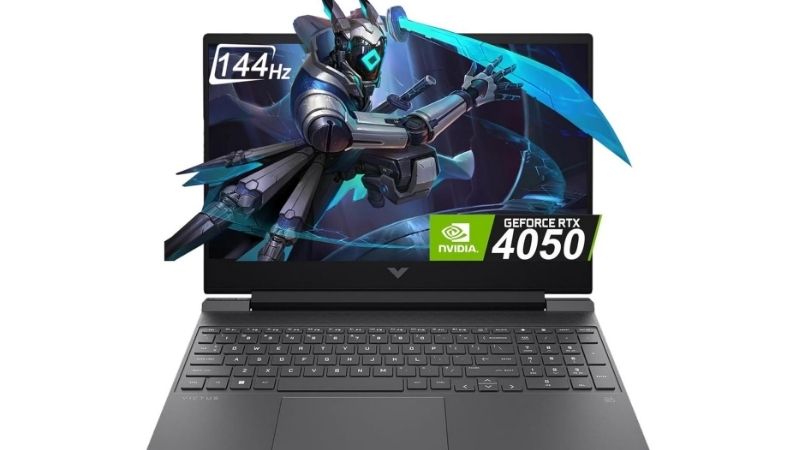
- Top Pick: HP NVIDIA GeForce RTX 4050 Laptop Gamer Victus 13420H 16GB RAM 512GB SSD 15.6" Windows 11 Home English Keyboard
- Best Value: HP Victus 15.6 inch FHD 144Hz Gaming Laptop Intel Core i5-13420H NVIDIA GeForce RTX 4050 6GB – 16GB DDR4 512GB SSD Mica Silver (2024)
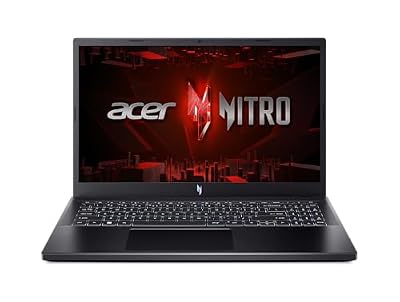
- Premium Choice: acer Nitro V Gaming Laptop | AMD Ryzen 5 7535HS Hexa-Core Processor | NVIDIA GeForce RTX 4050 Laptop GPU | 15.6" FHD IPS 144Hz Display | 8GB DDR5 | 512GB SSD | WiFi 6 | Backlit KB | ANV15-41-R5N6
RTX 4050 laptop is the most affordable entry point into Nvidia’s Ada Lovelace mobile family, and that makes it one of the most scrutinized. With 2,560 CUDA cores, 6GB of GDDR6, and access to DLSS 3, it promises modern features at a budget price. This review uses verified owner data to answer the real question: is it enough for 1080p gaming in 2026?



Specifications And Performance Of The RTX 4050 Laptop
Entry-level silicon lives by careful expectation-setting, and the 4050’s specs define a narrow but real comfort zone. Understanding the hardware shows exactly which games it handles gracefully and where it runs out of room.
As an Amazon Associate we earn from qualifying purchases at no extra cost to you. Product prices and availability are accurate as of the date shown and are subject to change.




The Core Hardware And Its Limits
The RTX 4050 laptop ships with 2,560 CUDA cores, 6GB of GDDR6 on a 96-bit bus, and a TGP from 35W to 115W. The two numbers that shape its character are the 6GB buffer and the narrow memory bus, both of which cap how far you can push settings.
The upside is that it still carries fourth-generation Tensor cores, so DLSS 3 Frame Generation is available. That AI capability is what keeps this budget chip relevant against pricier last-generation alternatives.
1080p Gaming Benchmarks
At 1080p high settings, a well-powered RTX 4050 laptop comfortably handles esports titles at well over 100 FPS and keeps most AAA games above 60 FPS once DLSS is enabled. Older and lighter games run effortlessly.
The cracks show in the newest, VRAM-hungry releases. Owners report needing to drop textures in titles that exceed 6GB at 1080p, a limitation that becomes more common with each new game launch.
Thermals And Power Configurations
This GPU runs cool and quiet, which is one of its quiet strengths. Even compact chassis manage it well, and higher-TGP versions sustain clocks without the heat issues that plague more powerful chips.
As always, wattage matters: a 115W configuration noticeably outperforms a 45W thin-and-light version. Checking the rated TGP is the single most useful pre-purchase step for this card.
Living With An RTX 4050 Laptop
Budget hardware succeeds or fails on practicality, and daily ownership reveals whether the savings are worth the compromises. The RTX 4050 laptop is a sensible, affordable companion within clearly defined limits.
Affordable Laptops And Sensible Pairings
The 4050 anchors budget gaming lines like the Acer Nitro V, Lenovo LOQ, and ASUS TUF, typically priced from roughly $799 to $999. That low entry cost is its biggest draw for first-time buyers and students.
Owners recommend pairing it with a Ryzen 5 or Core i5 and 16GB of RAM as a minimum. Skimping to 8GB is the most common regret reported in critical reviews, so the memory upgrade is worth prioritizing.
Battery Life And Everyday Use
Efficiency is a real advantage here. With modest power draw and Advanced Optimus, light-use battery life often reaches 6 to 8 hours, making this one of the more practical gaming laptops for daily carry.
For a student who games in the evening and takes notes during the day, that balance is genuinely useful. It behaves like a normal laptop until you need it to game.
Who The RTX 4050 Laptop Suits
This GPU is for the budget-conscious 1080p gamer who prioritizes affordability and is comfortable adjusting a few settings. It is also a fine pick for casual players and esports fans who value high frame rates in lighter titles.
Buyers who want maxed AAA gaming or any 1440p ambitions should stretch to the 4060, which removes much of the 4050’s VRAM frustration for a modest premium.
Pros, Cons And The 2026 Buying Climate
For a budget chip, value clarity is everything. Weighing the 4050’s strengths against its real limits, and against the current market, determines whether it is the smart entry choice or a false economy.
The Pros And Cons From Real Owners
The pros are straightforward: a low price, strong efficiency, cool and quiet operation, and access to DLSS 3 Frame Generation that lifts demanding games. For the money, owners praise its ability to play essentially everything at 1080p with some tuning.
The cons concentrate on the 6GB VRAM, which is the loudest complaint in 2 and 3-star reviews, followed by the narrow 96-bit bus and limited headroom for future titles. It is capable today, but its longevity is the genuine concern. Knowing that going in prevents disappointment.
How Rising Prices Affect The Budget Buyer
Cost trends matter most at the budget end, where every dollar counts. Laptop prices have continued trending upward, driven by a tight memory market, which squeezes entry-level machines hardest. The encouraging news is that the steep late-2025 climb has eased, with some makers noting a stretch of relative stability, even as they warn volatility is not finished.
Real relief is still years away. New DDR5 supply is opening up from sources like CXMT, and Micron is building two plants in Idaho, but those will not come online until 2027 to 2028. The takeaway for budget buyers is that prices have leveled rather than dropped, so waiting through 2026 is unlikely to make an RTX 4050 laptop meaningfully cheaper.
Future Outlook And The Verdict
Where the 4050 stretches its value is software. Nvidia keeps expanding DLSS support, and Frame Generation helps this modest chip stay playable in new releases longer than its raw specs suggest. That ongoing support softens the VRAM limitation over time.
If you want the cheapest credible path into modern 1080p gaming, this GPU delivers. Ready to grab an affordable rig before the next price wave? Compare current RTX 4050 laptop deals through the links on this page and prioritize a 16GB-RAM, higher-TGP configuration.
Frequently Asked Questions
The RTX 4050 laptop is the budget gateway to Ada, and these common questions help set expectations before you buy.
Is the RTX 4050 laptop good for gaming?
Yes, the RTX 4050 laptop handles 1080p gaming well, particularly esports and lighter titles where it sustains high frame rates.
For demanding AAA games, you will rely on DLSS 3 and moderate settings to keep performance smooth.
How much VRAM does the RTX 4050 laptop have?
It includes 6GB of GDDR6 on a 96-bit bus, the most limited buffer in the modern Ada family.
That 6GB ceiling is the chief constraint, so high-resolution textures and future titles can push it to its limit.
Does the RTX 4050 laptop support DLSS 3 Frame Generation?
Yes, despite its entry position it fully supports DLSS 3, including Frame Generation in compatible games.
This AI feature is especially valuable here, since it helps the modest hardware punch above its weight.
Is the RTX 4050 laptop worth buying in 2026?
For budget-focused 1080p gamers and students, it remains a sensible, affordable entry point.
Buyers who expect to play heavier titles at higher settings should consider stepping up to the 4060 for more VRAM headroom.
Real-World Performance Expectations
Knowing what the RTX 4050 laptop realistically delivers helps budget buyers set the right expectations. This breakdown covers gaming and light creative use.
Esports And Lighter Titles
In competitive games the 4050 sustains high frame rates at 1080p, comfortably exceeding 120 frames per second in popular esports titles. It pairs well with the high-refresh panels found on budget gaming laptops.
For players focused on fast-paced competitive games, the card delivers a responsive experience that belies its entry-level position.
AAA Gaming At 1080p
In demanding single-player titles, the 4050 targets a playable 1080p experience at medium to high settings, leaning on DLSS 3 to maintain smooth frame rates. Ray tracing is best reserved for lighter use with upscaling.
The 6GB buffer is the main constraint, so very high textures can push the card to its limit, making DLSS an important ally in heavier games.
Light Creative And Future Tech
For light creative work, the 4050 accelerates basic video editing and GPU tasks, suiting students and hobbyists on a budget. The modest buffer suits 1080p projects rather than heavy 4K timelines.
Its inclusion of DLSS 3 Frame Generation is notable at this price, and Nvidia’s continued driver work helps the entry card stretch further as more titles support the feature.
See More:
The Bottom Line
The RTX 4050 laptop is a smart budget entry: efficient, cool, quiet, and equipped with DLSS 3 features that keep it viable at 1080p. Its 6GB memory buffer is the clear limit, and longevity is the honest concern, but for affordability-focused gamers willing to tune settings, it remains a reasonable choice in 2026, particularly while prices stay flat rather than climbing.



Write Your Review
No reviews yet. Be the first to share your experience!