
Best game capture card picks depend on whether you capture a console or a PC, the resolution you record at, and how much passthrough you need to keep playing smoothly. This guide walks through the cards that record and stream gameplay reliably, what matters most in connection and latency, and how to match a card to your setup and budget.
As an Amazon Associate we earn from qualifying purchases.
By Ryan Cole
Quick answer: For most people in 2026, the best game capture card is the Elgato HD60 X — our #1 rated choice. See the full ranked comparison, alternatives and buying advice below.
How to Choose the Best Game Capture Card
The best game capture card is the one that fits your source, connection, and recording goals, since a console streamer and a dual-PC creator need different things. Decide those factors first, then weigh resolution, passthrough, and software to land on the right unit. Check current price and stock, since capture card availability moves quickly. A quick test recording confirms everything works before you go live.
Console Source or PC Source
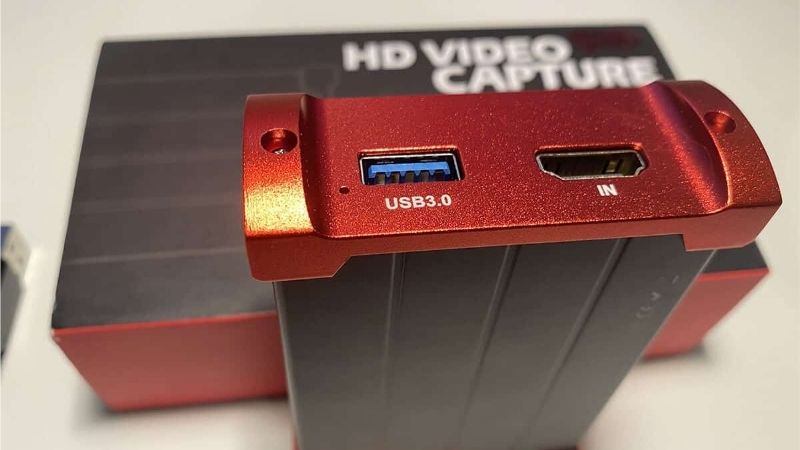
Console capture almost always uses an external HDMI card that sits between the console and your capture PC or laptop. PC gameplay can be captured with software on a single machine or offloaded to a second PC through a capture card for a smoother stream.
If you stream from a console, an external card is the natural choice for simplicity and portability. If you run a two-PC setup, a card lets the gaming machine focus entirely on frame rates while the second handles encoding.
Interest in capture cards has climbed lately for a specific reason: with GTA 6 launching on consoles ahead of PC, many players are adding a console to their setup. A capture card lets them bring that console feed into their existing PC to record and stream, which is precisely these cards’ job. It works with popular streaming and recording software out of the box. Match the card to how you actually stream rather than to spec sheets alone.
Resolution and Frame Rate
A 1080p60 capture card covers the vast majority of streamers and keeps file sizes and CPU load in check. Move up to 4K60 capture only when you genuinely need to record in 4K rather than simply play in it.
Because capture and passthrough are separate, you can record at 1080p60 while gaming at a higher resolution on your display. That split keeps quality high for viewers without forcing huge recordings. Confirm your PC has the right free port before you order. A wired network connection makes live streaming far more stable.
Passthrough and Latency
Passthrough sends your source signal to a monitor with minimal delay so gameplay stays responsive. Match the passthrough resolution and refresh rate to your display, especially if you play fast, competitive titles.
Low latency is essential when you play on the same screen you capture. A card with strong passthrough lets you compete normally while the recording happens quietly in the background. Higher bitrates fill storage fast, so keep a spare drive ready. Consider your upload speed, since higher resolutions need more bandwidth.
Software and Ease of Use
Good bundled software simplifies recording, overlays, and going live, and the leading brands ship polished suites. Confirm the connection standard, since 4K capture usually wants a fast USB 3.0 port or a suitable PCIe slot.
Ease of setup matters more than spec sheets for many newcomers. A card that installs quickly and just works removes friction on your first stream and every one after. Consider your upload speed, since higher resolutions need more bandwidth. Most modern consoles and PCs work without any special drivers.
Top Picks for the Best Game Capture Card
These cards span budget 1080p to 4K60 capture across console and PC. The best game capture card for you depends on your source and goals, so check price and availability at the time of reading, since stock moves quickly.
| Capture Card | Type | Capture | Best For |
|---|---|---|---|
| Elgato HD60 X | External USB | 1080p60 | All-round streaming |
| Elgato 4K X | External USB | 4K60 HDR | 4K creators |
| AVerMedia Live Gamer 4K 2.1 | Internal PCIe | 4K60 | High-refresh play |
| AVerMedia Live Gamer Ultra 2.1 | External USB | 4K60 | External 4K |
| Elgato 4K60 Pro | Internal PCIe | 4K60 HDR | Single-PC desktop |
| Razer Ripsaw HD | External USB | 1080p60 | Budget builds |
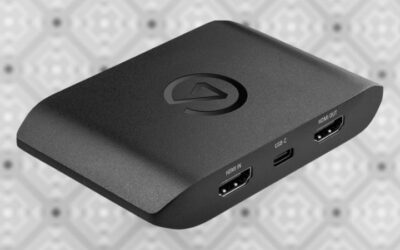
Elgato HD60 X
A hugely popular all-rounder that captures 1080p60 with flexible passthrough for both console and dual-PC use. It sets up fast over USB and suits the majority of streamers regardless of platform.
It does not natively record 4K60, so dedicated 4K channels should look higher. For most creators, it hits the ideal blend of quality, simplicity, and price. Reading the maker’s compatibility notes for your exact console is worth a minute. Back up recordings regularly so a full drive never costs you a session.
Elgato 4K X
The choice for creators who need native 4K60 HDR capture over USB, with high-resolution passthrough. It preserves a modern console or PC’s best output for crisp uploads.
It costs more and wants a capable PC and fast USB port. If 4K recording is the aim, the extra spend pays off. A quick test recording confirms everything works before you go live. Keep the setup simple at first and add overlays once it runs cleanly.
AVerMedia Live Gamer 4K 2.1
An internal card built for high-refresh passthrough, letting you play at very high frame rates while it captures. It suits competitive players who also record in 4K on a single desktop.
It requires a PCIe slot and a capable system to run well. For high-refresh setups that demand 4K capture, it is a standout. Firmware updates from the maker can add features over time. Test audio sync early, as it is easier to fix before recording.
AVerMedia Live Gamer Ultra 2.1
An external USB unit for high-resolution capture without opening your case, with flexible gaming passthrough. It is a strong alternative for laptop users or anyone who prefers external gear.
Confirm your system meets the requirements before buying a 4K unit. For external 4K capture, it delivers reliably. Buying slightly above your current needs leaves room to upgrade later. A tidy cable run keeps the desk clean and the signal reliable.
Elgato 4K60 Pro
An internal PCIe card for a single desktop, offering 4K60 HDR capture with low latency and no clutter. It keeps the signal path clean for a permanent capture rig.
Being internal, it needs a free PCIe slot. For a dedicated single-PC setup, it is a high-quality, tidy option. A good, short HDMI cable helps avoid signal and handshake problems. Buying slightly above your current needs leaves room to upgrade later.
Razer Ripsaw HD
A budget-friendly external card that captures 1080p60 with 4K passthrough support. It is an easy, affordable entry point for new streamers.
Its capture is limited to 1080p, so it is not for 4K work. As a plug-and-play starter, though, it covers the essentials. Test audio sync early, as it is easier to fix before recording. A quick test recording confirms everything works before you go live.
Frequently Asked Questions
Quick answers to what buyers ask about the best game capture card. It is widely used, so troubleshooting help is easy to find online. Reading the maker’s compatibility notes for your exact console is worth a minute.
What is the best game capture card for beginners?
The Elgato HD60 X is a superb starter, capturing 1080p60 with flexible passthrough and simple setup. It works for console and dual-PC streaming alike. Match the card to how you actually stream rather than to spec sheets alone. Firmware updates from the maker can add features over time.
Do I need a capture card to stream PC games?
Not necessarily, since a single PC can capture its own gameplay with software. A capture card shines in a two-PC setup where one machine games and the other encodes. A wired network connection makes live streaming far more stable. A good, short HDMI cable helps avoid signal and handshake problems.
Is 4K capture worth it?
Only if you upload in 4K rather than just play in it. Many streamers are well served by a 1080p60 card with higher-resolution passthrough. Back up recordings regularly so a full drive never costs you a session. It is widely used, so troubleshooting help is easy to find online.
Internal or external card?
External USB is portable and works with laptops or desktops, making it the flexible default. Internal PCIe suits a single dedicated desktop with a free slot. Most modern consoles and PCs work without any special drivers. Match the card to how you actually stream rather than to spec sheets alone.
See More:
- Best micro ATX motherboard AM4
- Best CPU for B550 motherboard
- Best motherboard for Ryzen 7 5800X
- Best mATX AM5 motherboard
- What is the best capture card
Final Thoughts
The best game capture card depends on your source and how you record: the HD60 X covers most streamers, 4K cards serve creators, and internal options suit single-PC desktops. Match passthrough to your display, keep latency low for competitive play, and confirm your ports and storage. Check current stock before you buy. Keep the setup simple at first and add overlays once it runs cleanly. A wired network connection makes live streaming far more stable.
Ready to decide? Our #1 pick for 2026 is the Elgato HD60 X.
Live price & availability on Amazon.



Write Your Review
No reviews yet. Be the first to share your experience!