
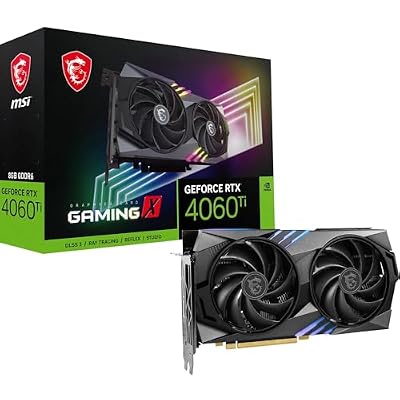
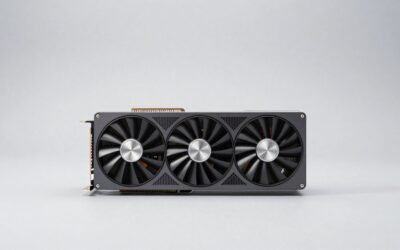
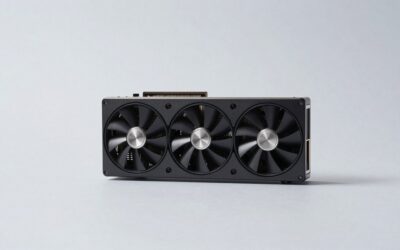
- Top Pick: ASUS Dual GeForce RTX 4060 Ti EVO OC Edition 8GB GDDR6 (PCIe 4.0, 8GB GDDR6, DLSS 3, HDMI 2.1a, DisplayPort 1.4a, Axial-tech Fan Design, Auto-Extreme Technology), 3 Year Warranty
- Best Value: ZOTAC Gaming GeForce RTX 4060 Ti 8GB Twin Edge OC White Edition DLSS 3 8GB GDDR6 128-bit 18 Gbps PCIE 4.0 Compact Graphics Card, IceStorm 2.0 Advanced Cooling, Spectra RGB Lighting, ZT-D40610Q-10M
- Premium Choice: MSI GeForce RTX 4060 Ti Ventus 3X 16G OC Graphics Card -NVIDIA RTX 4060 Ti, 16GB GDDR6 Memory, 18Gbps, PCIe 4.0, DLSS3


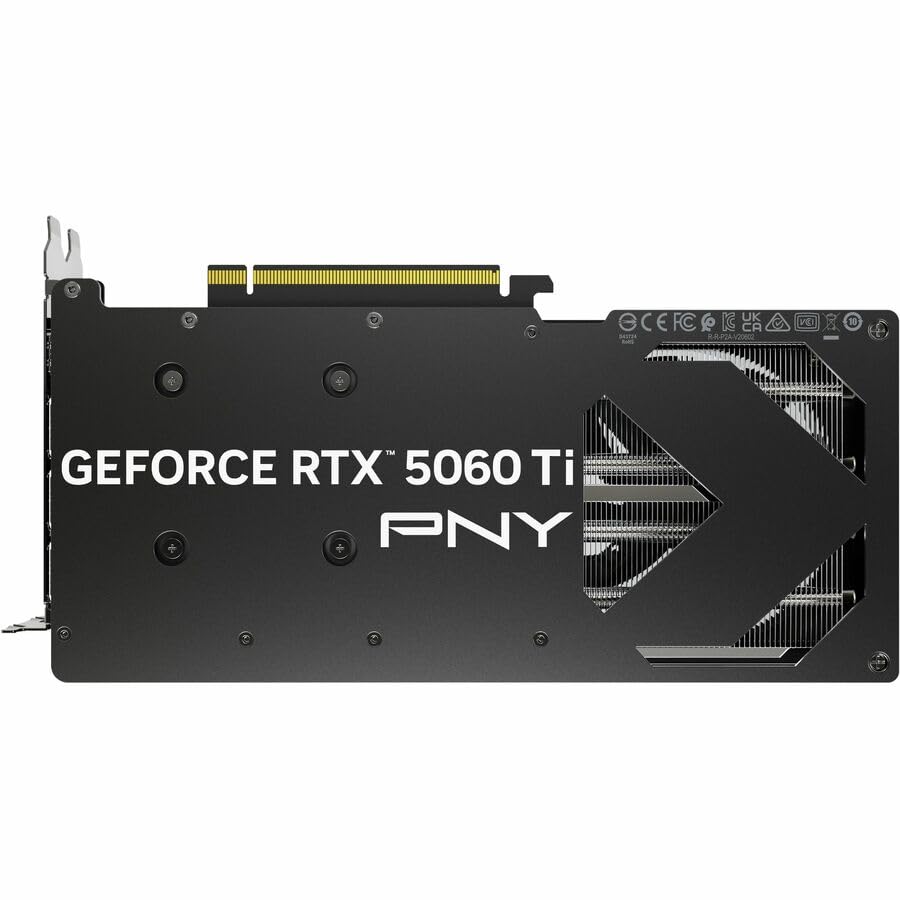

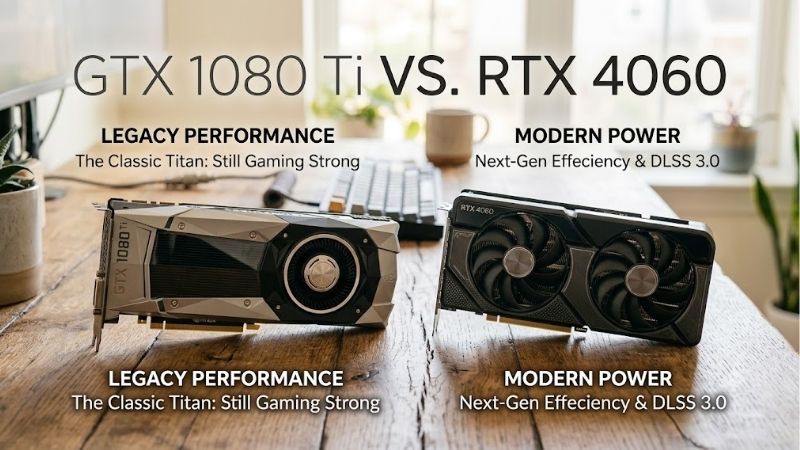
GTX 1080 Ti vs RTX 4060 remains one of the most debated PC gaming matchups in modern hardware circles. Choosing between Pascal’s legendary flagship and Ada Lovelace’s budget mainstream card requires balancing raw VRAM capacity against modern AI features. Read our comprehensive 2026 breakdown to find out which graphics card best suits your gaming setup.
GTX 1080 Ti vs RTX 4060 Quick Verdict and Core Technical Comparison
Evaluating these two GPUs requires understanding how graphics architecture has shifted over nearly a decade of rapid innovation. While one represents peak brute-force rasterization engineering from 2017, the other relies heavily on specialized AI acceleration, optical flow hardware, and advanced feature sets introduced for modern rendering pipelines.
As an Amazon Associate we earn from qualifying purchases at no extra cost to you.


The Quick Verdict for Modern Gamers and Creators
If you are looking for a quick buying answer, the modern feature set gives the advantage to the newer architecture for the vast majority of mainstream gamers. The RTX 4060 delivers superior power efficiency, native support for Ray Tracing, AV1 video encoding, and game-changing access to DLSS 3 Frame Generation. These features allow it to punch far above its weight class in modern AAA titles despite having a narrower memory bus.
However, the GTX 1080 Ti still commands respect due to its massive 11GB VRAM buffer and wide 352-bit memory bus, which prevents severe performance degradation when loading high-resolution texture packs at 1440p resolution. For budget builders buying on the used market or users who prioritize raw frame buffer size over modern upscaling, the classic flagship remains functional. For everyone else seeking peace of mind, low power draw, and full software longevity, the Ada Lovelace GPU is the smarter long-term investment.
[Check the latest price on Amazon for the Nvidia RTX 4060]
Technical Specifications and Core Architecture Comparison Table
To understand how these two graphics processors operate, we must examine their underlying specifications. The GTX 1080 Ti is built on TSMC’s 16nm process using the GP102 GPU core, featuring 3584 CUDA cores and 11GB of GDDR5X memory. In contrast, the RTX 4060 utilizes TSMC’s custom 4N process with the AD107 GPU die, housing 3072 CUDA cores alongside 8GB of GDDR6 memory.
| Specification Feature | Nvidia GeForce GTX 1080 Ti | Nvidia GeForce RTX 4060 |
|---|---|---|
| Architecture | Pascal (16nm) | Ada Lovelace (4N / 5nm) |
| CUDA Cores | 3584 | 3072 |
| Tensor / RT Cores | None / None | 96 Tensor (4th Gen) / 24 RT (3rd Gen) |
| Base / Boost Clock | 1480 MHz / 1582 MHz | 1830 MHz / 2460 MHz |
| VRAM Capacity | 11GB GDDR5X | 8GB GDDR6 |
| Memory Bus Width | 352-bit | 128-bit |
| Memory Bandwidth | 484 GB/s | 272 GB/s (Effective 453 GB/s with L2 Cache) |
| L2 Cache Size | 3 MB | 24 MB |
| TDP / Power Consumption | 250 Watts | 115 Watts |
| PCIe Interface | PCIe 3.0 x16 | PCIe 4.0 x8 |
| Key Features | Brute-force Rasterization | DLSS 3.5, Frame Gen, AV1 Encoder, Reflex |
VRAM Capacity Breakdown: 11GB Pascal vs 8GB Ada Lovelace
The memory sub-system represents the most contentious point of comparison between these two graphics cards. The GTX 1080 Ti features an impressive 11GB VRAM buffer paired with a wide 352-bit memory interface, delivering a massive 484 GB/s of raw memory bandwidth. This expansive memory highway allows the legacy card to comfortably handle VRAM-heavy titles without suffering from frame stutter caused by PCI Express bus thrashing.
On the other hand, the RTX 4060 comes equipped with an 8GB VRAM capacity over a narrow 128-bit memory interface. While Nvidia mitigated this narrow bus by expanding the L2 cache to 24MB—dramatically reducing the need to access external VRAM for repeated operations—8GB of memory is increasingly pushed to its limits in modern AAA titles running at ultra settings. Gamers who enjoy heavy texture mods or native 1440p gaming will occasionally find the 8GB threshold restrictive, making VRAM management an important consideration for modern builds.
Deep Dive Performance Face-Off and Market Dynamics
Comparing pure software rasterization against hardware-accelerated upscaling reveals how drastically PC gaming performance evaluation has evolved. Beyond framerate metrics, hardware pricing and component availability in 2026 heavily dictate which GPU offers the best overall value for prospective buyers.
Check the latest price on Amazon:
- Nvidia Control Panel Arc Raiders
- Geforce Rtx 5070 Review
- High End Gaming Graphics Cards
- Best gaming graphics card 2026
1080p and 1440p Gaming Benchmarks: Legacy Power vs DLSS 3
In traditional rasterized 1080p gaming, both graphics cards deliver exceptional performance, easily surpassing 60 frames per second in standard AAA titles. In legacy DirectX 11 and DirectX 12 games without advanced ray tracing, the GTX 1080 Ti trades blows with the RTX 4060, occasionally winning in titles that demand higher raw memory bandwidth. However, in newer gaming engines optimized for modern shader execution reordering, the RTX 4060 pulls ahead by 10% to 15% in native rendering modes.
The performance gap widens exponentially once AI upscaling and frame generation enter the equation. In demanding modern titles like Cyberpunk 2077, Alan Wake 2, and Hogwarts Legacy, the GTX 1080 Ti struggles to maintain smooth framerates at high settings due to its complete lack of hardware Ray Tracing and Tensor cores. The RTX 4060 leverages DLSS 3 Frame Generation to virtually double its framerates, rendering smooth 100+ FPS gameplay at 1080p and playable performance at 1440p with visual clarity that legacy hardware simply cannot replicate.
Power Consumption, Thermals, and System Efficiency
Energy efficiency is where architectural progress becomes most apparent. The GTX 1080 Ti is a high-power flagship that requires a 250W TDP rating, necessitating a robust power supply unit (typically 600W or higher) and dual 8-pin or 6-pin PCIe power cables. Due to its higher thermal output, keeping a GTX 1080 Ti cool requires significant case airflow and can lead to increased system fan noise during prolonged gaming sessions.
Conversely, the RTX 4060 is a masterclass in thermal and electrical efficiency, operating with a frugal 115W TDP. It runs remarkably cool, quiet, and typically requires only a single 8-pin power connector, making it compatible with compact mini-ITX cases and modest 450W power supplies. Over several years of daily gaming, the lower power consumption of the RTX 4060 results in noticeable electricity savings and significantly lower ambient heat output in your gaming room.
[Check the latest price on Amazon for high-efficiency RTX 4060 models]
2026 GPU Market Dynamics: H200 Exports and Component Inflation
When evaluating graphics card purchases in 2026, understanding macro-level supply chain shifts is essential for making an informed investment. A major influence on global tech availability has been the US regulatory decision permitting NVIDIA to export high-performance H200 AI chips to select overseas commercial markets, including China. Because enterprise AI accelerators command massive profit margins, semiconductor manufacturing giants like TSMC allocate substantial advanced packaging capacity (such as CoWoS nodes) away from consumer GeForce GPUs toward enterprise enterprise silicon like the H200.
This enterprise priority directly constraints consumer GPU wafer allocations, creating tight inventory levels across mid-range and entry-level graphics cards. Simultaneously, macroeconomic trends throughout 2026 point toward rising production costs across laptops, desktop components, power supplies, and high-density memory chips. As component inflation drives prebuilt system and standalone hardware prices higher, waiting to buy PC hardware risks incurring steeper expenses later in the year. Purchasing a modern, power-efficient GPU today protects your wallet against impending price surges while ensuring full driver support for upcoming game releases.
Pros, Cons, Alternatives, and Final Buying Recommendations
Before finalizing your purchasing decision, weighing the exact benefits and trade-offs of both options ensures you select the card that fits your specific budget, power constraints, and performance goals.
Pros and Cons Analysis for GTX 1080 Ti vs RTX 4060
Every graphics processing unit comes with distinct technical trade-offs. Examining the strengths and weaknesses of both GPUs highlights where each card excels and where it falls short in modern gaming environments.
- GTX 1080 Ti Pros:
- Generous 11GB VRAM Buffer: Handles high-resolution textures without hitting memory allocation walls.
- Wide 352-Bit Memory Bus: Delivers high uncompressed memory bandwidth (484 GB/s) for high-resolution assets.
- Attractive Used Market Pricing: Can often be found at low price points on secondary peer-to-peer markets.
- GTX 1080 Ti Cons:
- High Power Consumption: 250W TDP generates significant heat and requires a robust power supply.
- Lacks Modern AI Hardware: Zero support for Ray Tracing, Tensor Cores, DLSS 2, or DLSS 3 Frame Generation.
- Aging Hardware Risk: Legacy cards carry high wear-and-tear risks, degraded thermal paste, and expiring driver optimization cycles.
- RTX 4060 Pros:
- DLSS 3 & Frame Generation: AI-driven framerate multiplication boosts performance in demanding AAA games.
- Exceptional Power Efficiency: Consumes just 115W, requiring minimal power supply overhead and operating quietly.
- Full Warranty & AV1 Support: Includes modern video encoders for streaming, updated software support, and factory warranty protection.
- RTX 4060 Cons:
- Limited 8GB VRAM Capacity: Can restrict maxed-out settings in certain modern 1440p titles.
- Narrow 128-Bit Memory Interface: Relies heavily on L2 cache to compensate for raw bandwidth limits.
The Best Alternative Options for Upgrading PC Gamers
If neither the GTX 1080 Ti nor the standard RTX 4060 perfectly matches your gaming requirements, several compelling alternative graphics cards exist in the current hardware ecosystem. For gamers who desire modern features but worry about VRAM limitations, the RTX 4060 Ti 16GB variant serves as an excellent step-up option, providing full DLSS 3 capabilities alongside a generous frame buffer that future-proofs your build against rising memory demands.
On the AMD Radeon side, the RX 6700 XT and RX 7600 XT represent standout value alternatives. The RX 6700 XT offers 12GB of VRAM with strong native rasterization performance that frequently outperforms both cards in traditional non-ray-traced games. Meanwhile, the RX 7600 XT brings 16GB of VRAM and modern DisplayPort 2.1 support at a competitive price point, making it an ideal choice for gamers seeking maximum VRAM per dollar spent.
[Check Amazon for current deals on 16GB VRAM Graphics Cards]
Final Recommendation: Who Should Buy Which GPU?
Determining the winner in this head-to-head matchup depends on your current system setup and individual priorities. You should consider the GTX 1080 Ti primarily if you are building an ultra-budget PC using second-hand components, already own a high-wattage power supply, and play older competitive titles or rasterized games at 1080p where VRAM capacity takes priority over modern feature sets.
You should choose the RTX 4060 if you want a reliable, hassle-free graphics card backed by full manufacturer warranties, low power consumption, and industry-leading software features. The combination of DLSS 3 Frame Generation, AV1 encoding, Reflex low-latency technology, and active game-ready driver updates ensures the RTX 4060 will easily outpace the legacy flagship in all upcoming next-generation titles.
Conclusion
When comparing the GTX 1080 Ti vs RTX 4060 in 2026, the evolution of PC hardware favors modern feature sets over raw legacy horsepower. While Pascal’s 11GB legend built an unforgettable legacy, the Ada Lovelace card’s incredible power efficiency, DLSS 3 upscaling, and dedicated Ray Tracing hardware make it the clear overall winner for modern gaming setups. Given rising component prices across the industry and tightening GPU supply chains, securing a current-generation graphics card today is a smart way to future-proof your rig. Upgrade your PC gaming setup by checking out the top RTX graphics card deals on Amazon today!
Frequently Asked Questions
Which card is faster in raw rasterized performance?
The GTX 1080 Ti remains remarkably competitive and generally trades blows with the RTX 4060 in pure rasterization at 1440p, sometimes edging ahead thanks to its enormous 352-bit bus and 11GB of GDDR5X. However that only tells half the story, because the 4060 wins decisively once DLSS upscaling, frame generation and hardware ray tracing enter the comparison.
Is 11GB on the 1080 Ti better than 8GB on the RTX 4060?
For raw capacity yes, and it is one of the strongest arguments for keeping a 1080 Ti. Eleven gigabytes comfortably handles ultra textures at 1440p where the 4060 8GB buffer starts forcing compromises. The counterpoint is that the 4060 can lean on DLSS to render at a lower internal resolution, which itself reduces memory pressure significantly.
How different is the power consumption?
Dramatically different. The GTX 1080 Ti is rated at 250W and needs an 8-pin plus 6-pin PCIe connector, while the RTX 4060 draws just 115W from a single 8-pin. That is well over twice the power for similar rasterized output, which translates into noticeably more heat in the case, louder fans and a measurable difference on your electricity bill over years of gaming.
What do I gain from the RTX 4060 feature set?
You gain hardware ray tracing, DLSS 3 with frame generation, AV1 encoding through the modern NVENC block for streaming and recording, far better efficiency, and continued driver support. The Pascal-based 1080 Ti has no RT cores or tensor cores, so it cannot run DLSS at all and is limited to FSR compatibility modes for upscaling.
Is buying a used GTX 1080 Ti in 2026 a good idea?
Only at a low price and with eyes open. These cards are now around nine years old, so thermal pads have dried out, fan bearings are worn, and many examples spent time mining. There is no warranty and Pascal driver support is winding down. If you already own one it is still perfectly usable; buying one now carries real risk.

Write Your Review
No reviews yet. Be the first to share your experience!