
- Top Pick: New P3700 Shield Voice Remote Control, Compatible with NVIDIA Shield TV and NVIDIA Shield TV Pro Streaming Media Player 2015/2017/2019 All Models
- Best Value: Vertical Stand Organizer for Nvidia Shield Android TV 2017 & 2019 Pro
- Premium Choice: NVIDIA Shield Android TV Pro | 4K HDR Streaming Media Player High Performance, Dolby Vision, 3GB RAM, 2X USB, Works with Alexa, Model:945-12897-2500-101

Prime
Best Seller
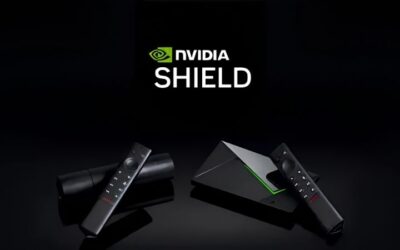
NVIDIA Shield Android TV Pro | 4K HDR Streaming Media Player High Performance, Dolby Vision, 3GB RAM, 2X USB, Works with Alexa, Model:945-12897-2500-101


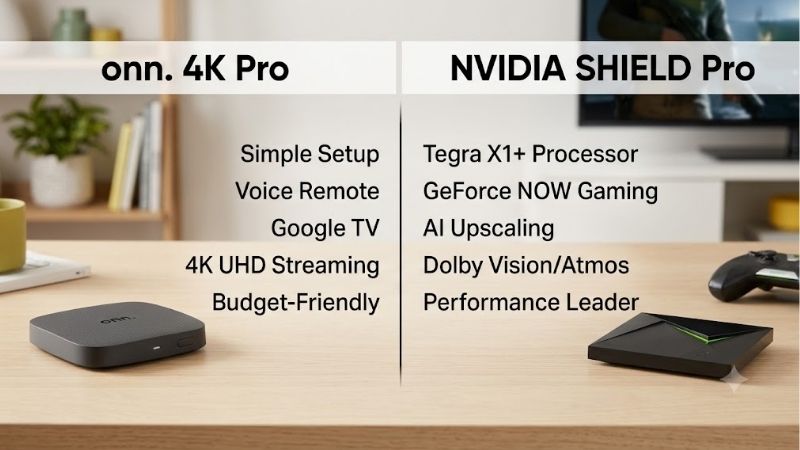
Onn 4k Pro Vs Nvidia Shield Pro represents one of the most intriguing battles in the modern home entertainment landscape, pitting a disruptive, budget-friendly smart home hybrid against the undisputed king of premium Android TV streaming. On one side, we have Walmart’s upstart contender, which packs surprisingly robust features, a built-in smart speaker, and a modern remote for a fraction of the cost of premium media players. On the other side stands a legendary, enthusiast-grade powerhouse that has dominated the high-end media playback market for years with its unmatched processing power, AI-driven upscaling, and robust local media server capabilities.
Deciding Between Modern Streaming Powerhouses in 2026
Selecting the ideal streaming player in today’s tech climate requires weighing raw hardware capabilities against practical, day-to-day usability and your unique home theater ecosystem. Both of these devices target distinct segments of the market, making direct comparisons essential for smart buying.
As an Amazon Associate we earn from qualifying purchases at no extra cost to you.


The Quick Verdict for Busy Streamers
For those who need an immediate recommendation, the choice boils down to your specific home theater goals and budget limitations. If you are a casual viewer who wants a speedy, user-friendly interface with modern AV1 decoding, built-in smart speaker capabilities, and a great remote control without spending a fortune, the Walmart challenger is your best bet. It provides stellar everyday performance for standard streaming apps like Netflix, YouTube, and Disney Plus.
Conversely, if you are a hard-core home theater enthusiast, a dedicated Plex media server manager, or an avid retro gamer, the premium option from the green team remains the uncontested master. Its superior processing power, lossless audio passthrough for formats like Dolby TrueHD and DTS-X, and exceptional AI upscaling justify its premium price tag. Ensure you get the best deal on your preferred device. Check the latest price on Amazon.
Comprehensive Specifications Comparison Table
To help you visualize the hardware differences, we have compiled a side-by-side comparison of the core technical specifications. This breakdown highlights the contrasting design philosophies, showing where the premium device justifies its premium and where the budget device holds its ground with modern standards.
| Feature | Onn 4K Pro | Nvidia Shield Pro |
|---|---|---|
| Processor | Amlogic S905X4 | NVIDIA Tegra X1+ |
| RAM | 3GB | 3GB |
| Storage | 32GB | 16GB |
| Operating System | Google TV (Android 12) | Android TV (Android 11) |
| Video Codecs | AV1, VP9, H.264, H.265 | VP9, H.264, H.265 (No AV1) |
| Audio Passthrough | Dolby Atmos (compressed) | Dolby Atmos, DTS-X (lossless) |
| Smart Home | Built-in Google Assistant Speaker | Google Assistant compatible |
| Ports | USB 3.0 Type-A, Power | 2 x USB 3.0, Gigabit Ethernet, HDMI |
| Connectivity | Wi-Fi 6, Bluetooth 5.2 | Wi-Fi 5, Bluetooth 5.0, Ethernet |
As shown in the table, the newer budget model offers several modern advantages like updated Wi-Fi protocols and AV1 codec compatibility. However, the premium unit counters with superior physical ports and advanced audio capabilities.
Navigating the 2026 Tech Shortages and Price Hikes
Understanding the pricing dynamics of streaming hardware in 2026 requires looking at the broader silicon manufacturing landscape. The US Department of Commerce recently updated its export regulations, allowing NVIDIA to ship customized high-end AI chips like the H200 to clients in China. While this enterprise-level expansion is highly profitable, it has caused TSMC’s ultra-advanced CoWoS packaging facilities to prioritize enterprise AI silicon over legacy consumer processors.
This shift, combined with rising raw material costs for multi-layer PCBs and memory modules, has kept consumer electronics prices unusually high. Because older premium products like the Nvidia Shield Pro rely on specialized production lines that are no longer the primary focus of fabrication plants, we have seen almost no price drops for this high-end streamer. This persistent pricing environment makes budget-focused options like the Walmart model far more attractive to mainstream consumers who want to upgrade their systems today before further manufacturing price hikes hit retail shelves.
Deep Dive Face-Off: Hardware Performance and Features
To truly appreciate how these devices perform under stressful real-world scenarios, we must look beyond basic spec sheets and examine their processing units, decoding engines, and smart features. This section explores how each device handles high-bitrate media, audio outputs, and daily multitasking.
-Check the latest price on Amazon:
Processor Speed and AI Upscaling Capabilities
The processing heart of each device tells a story of raw power versus modern efficiency. The budget model relies on a quad-core Amlogic processor coupled with 3GB of RAM, running Google TV on a modern Android 12 foundation. While this configuration is incredibly snappy for navigating menus and loading streaming applications, it lacks the graphical power needed for high-end tasks. It manages standard video playback with ease but starts to show its limitations when tasked with rendering complex 3D applications or heavy multitasking.
The premium alternative utilizes the aging but still incredibly potent Tegra X1+ processor with its 256-core GPU. Although this processor was designed years ago, its graphical rendering capabilities remain unmatched in the Android TV space. The standout feature here is the proprietary AI upscaling algorithm, which analyzes lower-resolution video feeds in real-time and inserts missing details using deep-learning models. This results in incredibly sharp images on 4K displays when viewing older 1080p content, a feat that the simple spatial scaling of the budget competitor cannot match.
Audio and Video Format Support
When it comes to video standards, the budget contender has a distinct modern advantage: native AV1 hardware decoding. AV1 is rapidly becoming the default video compression standard for platforms like YouTube and Netflix, offering higher-quality streams at lower bandwidths. The premium player lacks hardware support for AV1, meaning it must rely on software decoding for these streams, which can limit future-proofing as older codecs are phased out. Both devices support Dolby Vision and HDR10, ensuring vibrant colors and deep contrast on compatible displays.
For audio purists, however, the gap between these devices is massive. The premium option supports full, lossless audio passthrough for advanced formats such as Dolby TrueHD, DTS-HD Master Audio, and DTS-X. This makes it the only viable choice for enthusiasts with dedicated home theater receivers and multi-speaker surround setups. The budget box only supports compressed, DD+ Dolby Atmos, which is fine for soundbars but will disappoint those looking to experience high-fidelity cinema sound from physical media backups or high-bitrate local files.
Storage, Connectivity, and Smart Home Integration
Storage and connectivity show another clear divergence in design intent. The budget device includes a generous 32GB of internal storage, allowing you to install dozens of heavy applications without worrying about running out of space. It also features a built-in microphone and far-field voice recognition, effectively acting as a hands-free Google Assistant smart speaker even when your television is turned off. Combined with Wi-Fi 6 compatibility, it offers excellent wireless range and speeds for modern households equipped with compatible routers.
The premium streamer offers a meager 16GB of internal storage but compensates with an impressive array of physical ports, including two full-sized USB 3.0 ports and a dedicated Gigabit Ethernet port. This physical connectivity is crucial for those who prefer stable, wired network connections over wireless signals. These USB ports allow users to connect external hard drives to run a local Plex Media Server directly from the device itself. This capability turns the player into a centralized home media hub, a complex task that the budget unit simply does not have the processing power or port selection to handle.
Practical Value: Pros, Cons, and Alternative Options
Every piece of technology comes with design trade-offs, and understanding these strengths and weaknesses is key to maximizing your return on investment. Let us evaluate the practical pros and cons of these devices, explore a compelling third-party alternative, and deliver our final recommendations.
Analyzing Pros and Cons of Onn 4k Pro Vs Nvidia Shield Pro
Analyzing the direct strengths and weaknesses of the Onn 4k Pro Vs Nvidia Shield Pro highlights the stark contrast between value-driven convenience and premium performance. The budget-friendly choice excels in modern software integration, offering an incredibly smooth user interface, a highly customizable remote control, and a built-in smart speaker for an unbeatable price. However, its lack of lossless audio passthrough and limited physical port selection make it unsuitable for high-end home theater integration.
The premium option shines with its incredible graphical power, legendary product support, and advanced audio capabilities. Its physical ports make it a versatile tool for power users who want to connect physical storage or run local servers. The downsides are its premium price tag, the aging Android 11 operating system, and the lack of modern AV1 video decoding. If these limitations are a concern, checking the pricing of both units is highly recommended to see if the cost savings of the budget option outweigh the premium features of the competitor. Check the latest price on Amazon.
Finding the Middle Ground: The Best 2026 Alternative
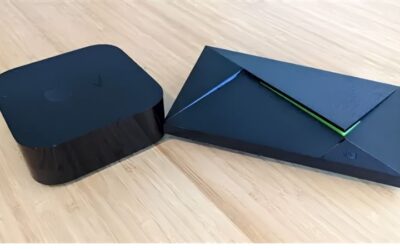
If neither of these devices perfectly fits your needs, there is a compelling middle-ground alternative available in 2026: the Apple TV 4K. While it operates within the Apple ecosystem, it offers a level of build quality, UI responsiveness, and software optimization that sits comfortably between our two main contenders. It features a powerful processor, supports most premium audio and video formats, and receives consistent software updates directly from its manufacturer.
The Apple TV 4K is especially appealing for users who already own other iOS or macOS devices, as it integrates seamlessly with AirPlay and Apple Home. It lacks the open-source freedom of Android TV and does not support full lossless audio passthrough for Dolby TrueHD, but its sheer speed, absence of home-screen advertisements, and premium hardware design make it an excellent compromise for buyers who find the budget model too simple and the premium Nvidia option too expensive or outdated. Check the latest price on Amazon.
Final Verdict and Recommendations for Every Buyer
In the end, your decision should align with your existing home setup and entertainment habits. If you are setting up a standard living room television or bedroom display, use a wireless network, and rely mainly on commercial streaming apps, the budget-friendly smart speaker hybrid is the clear winner. It provides a modern, fast, and highly convenient experience that makes spending three to four times more on a premium streaming box completely unnecessary for the vast majority of consumers.
However, if you have invested thousands of dollars in a dedicated home theater setup with a high-end AV receiver, physical surround speakers, and a massive local library of high-bitrate Blu-ray rips, the premium green streamer remains the gold standard. Its ability to process lossless audio and its unmatched AI upscaling ensure that your high-end display and sound system are fully utilized. Assess your entertainment priorities, check your budget, and choose the hardware that will elevate your daily viewing experience. Check the latest price on Amazon.
Conclusion
The comparison between Onn 4k Pro Vs Nvidia Shield Pro shows that the streaming device market in 2026 is no longer a one-size-fits-all landscape. By understanding whether you need modern, budget-friendly convenience with smart home integration or enthusiast-grade processing power with lossless audio support, you can make an informed purchasing decision that perfectly complements your home entertainment system.
Frequently Asked Questions
Which device has better video quality?
Both output 4K with Dolby Vision and HDR10 plus Dolby Atmos passthrough, so the picture is comparable on most content. The Shield Pro advantage is its AI upscaling, which noticeably improves 720p and 1080p sources on a large 4K panel. For native 4K streaming, the Onn 4K Pro is effectively equal.
Is the Shield Pro still worth its much higher price?
It depends entirely on your use case. The Onn 4K Pro delivers modern Google TV streaming for a fraction of the cost and is the sensible choice for pure streaming. The Shield Pro justifies its price for Plex or Jellyfin server duties, AI upscaling, GeForce Now streaming, extensive codec support and its USB ports for external storage.
How does the hardware compare?
The Shield Pro runs an ageing Tegra X1 Plus with 3GB of RAM and 16GB of storage, plus two USB 3.0 ports and Gigabit Ethernet. The Onn 4K Pro uses a newer, more efficient chipset with 3GB of RAM, 32GB of storage, Ethernet and Wi-Fi 6. On paper the Onn is the more modern platform.
Which is better as a Plex or Jellyfin client?
The Shield Pro remains the stronger choice. Its codec support is broader, it handles demanding high-bitrate remuxes and complex subtitle formats more reliably, and its USB ports allow direct attached storage or use as a lightweight Plex server. The Onn handles mainstream files well but stumbles on some exotic audio tracks and container formats.
Are both still receiving software updates?
The Shield Pro has an unusually long update record for an Android TV device, with NVIDIA shipping feature and security updates many years after launch, though the pace has slowed. The Onn 4K Pro is on Google TV and receives Google platform updates, but Walmart update commitments are shorter and less clearly defined.


Write Your Review
No reviews yet. Be the first to share your experience!