
Nvidia Corporation is the name behind almost every graphics card discussion you will ever join, yet most shoppers only meet the company through one product at a time. This review steps back and looks at the whole picture: what the company actually sells, where its hardware earns its price, where owners complain, and what recent market news means for your wallet. If you are comparing GeForce cards, weighing a Shield streaming box, or simply trying to understand why one brand dominates the GPU aisle, this is the practical, data-first overview to read before you commit. Rather than repeat marketing slogans, the sections below translate the product stack into plain buying advice: which tier maps to which resolution, what verified owners actually experience after months of use, and how today’s supply and pricing climate should shape the exact week you decide to check out.
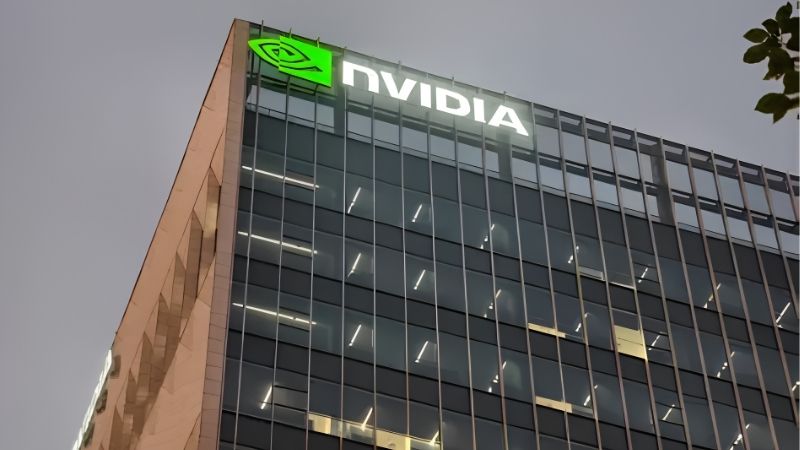
Who Nvidia Corporation Is and Why It Matters to Buyers
Understanding the company helps you buy smarter, because Nvidia does not sell a single product line, it sells an interlocking ecosystem. The three pillars that matter to a consumer are gaming graphics, the software layer that ties everything together, and a growing lineup of streaming and AI-adjacent devices. Each pillar carries a different value proposition, and knowing which one you are actually paying for stops you from overspending on capabilities you will never touch.
The GeForce Gaming Division
GeForce is the division most readers care about, spanning the RTX 50 series down to older but still capable cards on the used market. The lineup is deliberately tiered by memory, core count, and power draw, so a xx50 card targets 1080p, xx60 and xx70 aim at 1440p, and xx80 or xx90 chase 4K and heavy content work.
What separates GeForce from the competition is not raw rasterization alone. It is the pairing of solid frame rates with feature acceleration, so a mid-tier card can lean on upscaling to punch above its native horsepower. For a buyer, that means the model number tells you the target resolution, and the feature set tells you how long that card will stay relevant. A quick sanity check helps: if your monitor is 1080p at 144Hz, a xx60-class card is usually the value sweet spot, while pairing an xx90 card with a 1080p screen wastes silicon you paid a heavy premium for. Reading the tier this way saves real money, because the biggest buying mistakes come from mismatching the card to the display it will actually feed.
The AI and Data Center Business
Most of Nvidia’s revenue now comes from data center accelerators rather than gaming cards, which sounds irrelevant to a home buyer but quietly shapes what you can buy. The same manufacturing capacity and memory supply feed both markets, so when demand for AI chips spikes, consumer GPU stock and pricing feel the pressure.
The upside is that heavy research investment trickles down. Upscaling, frame generation, and denoising features debut in professional workloads and later reach the gaming drivers you install at home. In other words, the company’s biggest business is subsidizing the software polish that makes your GeForce card smarter over time.
The Nvidia Shield and Software Ecosystem
Beyond graphics silicon, Nvidia sells the Shield streaming family and maintains the control-panel and companion software that manage your whole setup. The Shield line remains a favorite for Android TV enthusiasts who want AI upscaling on a living-room screen, while the desktop software handles driver updates, game optimization, and capture.
This ecosystem is a real reason to stay inside the brand. Once you are used to one dashboard for updates, recording, and display tuning, switching brands means relearning tools. For practical buyers, that lock-in is either a convenience or a mild frustration, depending on how much you value flexibility.
Nvidia Corporation Product Value: Strengths and Weaknesses
No brand is flawless, and the fairest way to judge Nvidia Corporation is to weigh documented strengths against the recurring complaints that show up in verified owner reviews. Aggregating four and five star write-ups alongside two and three star gripes paints a far more useful portrait than a spec sheet ever could. The pattern is consistent across product tiers, which makes the trade-offs easy to summarize.
Where Nvidia Leads (The Pros)
The clearest strength is feature depth. Upscaling and frame-generation tools are more mature here than anywhere else, and driver support for new game releases arrives quickly and reliably. Owners repeatedly praise day-one stability, calling out how rarely a fresh title stutters on launch.
Efficiency is the second pillar. Recent architectures deliver strong performance per watt, so a modern mid-range card sips power compared with older equivalents, keeping fan noise and room heat manageable. Buyers also value resale strength, since the brand holds its used value better than most, softening the sting of the next upgrade. A third, more forward-looking advantage is the way proprietary features keep improving after purchase. Frame-generation and denoising models are refined through driver updates, so a card can measurably gain performance in supported titles months after you buy it, which is the kind of future-proofing that rewards staying inside the ecosystem.
Where Nvidia Falls Short (The Cons)
The loudest complaint is price. Across the stack, you pay a brand and feature premium, and lower-tier cards can feel stingy on memory for the money. Two and three star reviews frequently mention that a competing card offered more raw memory at the same price, forcing a choice between features and headroom.
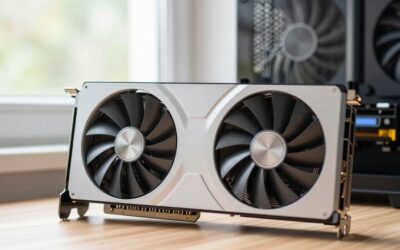
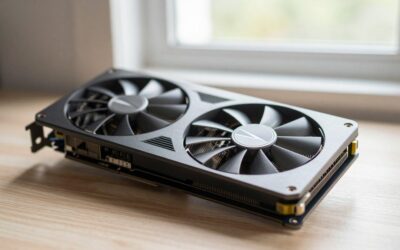
The second recurring gripe is availability. Popular models sell out, third-party pricing drifts above list, and some launches feel supply-constrained for months. A minority of reviewers also report coil whine on specific board partner designs, a reminder that the exact model and cooler you pick matters as much as the chip inside. Physical fit is another practical trap worth checking before you buy: several triple-fan and premium designs are long and thick, and owners occasionally return cards simply because the cooler would not clear their case. Measuring your available clearance and confirming your power supply has the right connectors avoids the most common post-purchase headache.
What Real Owners Say Across Tiers
Reading between the star ratings reveals a clear split. Enthusiasts buying flagship cards tend to leave glowing reviews because they get the halo experience they paid for. Budget buyers are more divided, happy with performance but wishing for a lower entry price or more memory.
The consensus takeaway is that satisfaction rises when expectations match the tier. Match the model number to your resolution and buy the specific board design with good cooling reviews, and the ownership experience is overwhelmingly positive. Overreach on a budget card expecting 4K, and disappointment follows.
2026 Market News That Affects Nvidia Corporation Buyers
Timing a purchase is half the battle, and two developments in the current market change the math for anyone shopping the Nvidia lineup right now. One is a policy shift at the very top of the company, and the other is the broader component-pricing trend that touches every card, laptop, and pre-built on the shelf. Neither is a reason to panic, but both are reasons to plan.
The H200-to-China Approval Explained
The United States has cleared Nvidia to sell its H200 accelerator, one of its most powerful AI chips, to China. This is a data-center story, not a gaming one, so it will not directly change the price of your desktop card next week.
It matters indirectly, though. Renewed access to a huge market signals sustained demand for the company’s most advanced silicon, which keeps manufacturing capacity valuable and competitive. For a consumer, the practical read is simple: the company’s priorities and supply chain remain heavily weighted toward AI, so do not expect consumer stock to suddenly flood the market.
Rising Component Prices and Your Budget
The more relevant trend is that laptop and component prices have been climbing, driven largely by memory and manufacturing costs. If you have been waiting for a dramatic price drop before buying a card or a new machine, the data does not support that wait right now.
There is a sliver of good news that is real but modest. Prices have stopped rising as steeply as they did at the end of 2025, and some manufacturers have reported a stretch of relative stability, even while warning that volatility is not over. Practically, that means budgeting for today’s prices rather than tomorrow’s hoped-for discounts is the safer move. It also means the total cost of a system, not just the card, deserves attention, because the same memory pressure that lifts GPU prices also raises the cost of RAM and pre-built machines. If you are buying a whole setup, pricing each part on the day you order gives a truer picture than relying on figures you saw a few months ago.
When Real Price Relief Arrives
Fresh supply is on the way, but it is a long way off. New memory sources are opening up, and additional fabrication plants are under construction to ease the squeeze, yet these facilities are not expected to run until 2027 or 2028.
The honest summary is that prices have merely plateaued, not fallen, and genuine relief is still distant. For a buyer, this reframes the decision: if you need the hardware now, buying now is defensible, because waiting a few months is unlikely to save meaningful money. Lock in a model that fits your resolution and budget, and treat any future discount as a bonus rather than a plan.
See More:
Final Verdict: Should You Buy Into the Nvidia Ecosystem?
For most buyers, the answer is a confident yes, provided you shop by tier and by specific board design rather than by brand loyalty alone. Nvidia Corporation earns its reputation through mature software, reliable drivers, and strong efficiency, and its resale strength cushions the higher upfront cost. The trade-offs are equally clear: you pay a premium, memory can feel tight on lower cards, and popular models require patience to find at fair prices. With component costs plateaued rather than falling and real relief years away, timing rewards decisive buyers over hopeful waiters. The smartest approach is to decide your resolution first, shortlist two board designs with strong cooling reviews, and then compare live prices side by side rather than agonizing over the brand as an abstraction. That keeps the decision grounded in what you will actually see on screen instead of spec-sheet bragging rights. When you have matched a model to your needs, use the link in this guide to check current pricing and availability before stock and prices shift again.
Frequently Asked Questions
What does NVIDIA actually sell besides gaming GPUs?
GeForce cards are only one slice of the business. NVIDIA also sells data center accelerators for AI training and inference, professional RTX workstation cards, Jetson embedded modules for robotics, DRIVE automotive platforms, networking gear from the Mellanox acquisition, and software stacks such as CUDA, Omniverse and DLSS technologies.
Does NVIDIA build the cards I buy?
NVIDIA designs the GPU and sells reference Founders Edition models directly, but most retail cards come from board partners such as ASUS, MSI, Gigabyte, Zotac and PNY. They use the same GPU with their own coolers, power delivery, factory clocks and warranty terms, which is why prices and sizes vary so widely.
How does the GeForce naming system work?
The first digits are the generation, so 50 means Blackwell-era RTX 50 series, and the last two digits indicate the tier within it. Higher numbers mean more cores and memory bandwidth. Ti and Super suffixes mark uplifted variants, and mobile chips carry the same name but run at much lower power limits.
Does the company support older cards?
NVIDIA typically provides Game Ready driver support for roughly six to eight years after an architecture launches, then moves it to a legacy branch with security-only updates for a few more years. That is why Maxwell, Pascal and Volta owners now see maintenance releases instead of new game optimizations.
Is buying NVIDIA better value than AMD or Intel?
NVIDIA generally leads in ray tracing, upscaling image quality, video encoding and CUDA-accelerated creative or AI software. AMD often gives more VRAM per dollar in raster games, and Intel Arc competes hard at the entry level. Pick based on your resolution, the apps you actually run, and current street prices.
As an Amazon Associate we earn from qualifying purchases at no extra cost to you.







Write Your Review
No reviews yet. Be the first to share your experience!