
- Top Pick: GIGABYTE GeForce RTX 5060 WINDFORCE OC 8G Graphics Card, Cooling System, 8GB 128-bit GDDR7, PCIe 5.0, Manufactured by NVIDIA, DisplayPort & HDMI – Video Output Interface, GV-N5060WF2OC-8GD Video Card
- Best Value: GIGABYTE Radeon RX 9060 XT Gaming OC 8G Graphics Card, PCIe 5.0, 8GB GDDR6, GV-R9060XTGAMING OC-8GD Video Card
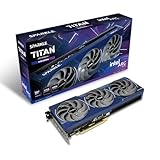
- Premium Choice: Sparkle Intel Arc B580 Titan OC, 12GB GDDR6, Torn Cooling 2.0, Axial Fan, Breathing Light, Metal Backplate, SB580T-12GOC
NVIDIA legacy drivers keep older GeForce cards running long after they leave the spotlight, but knowing which versions to use, where to get them safely, and when they stop being enough can be confusing. If you own an aging GPU and want to keep it stable without exposing your system to risk, this review has you covered. We will explain what legacy drivers are, which cards rely on them, the security angle, and how to tell when it is finally time to upgrade.
What NVIDIA Legacy Drivers Are
Legacy drivers are the final supported driver versions for GPUs that no longer receive regular updates, and understanding how this system works helps you keep an old card running properly. Once a card moves to legacy status, its driver situation changes in ways that matter for both stability and security, so it is worth knowing the basics.
The good news is that legacy status is not the end of the road for a card, just a change in how it is supported. With the right final driver installed cleanly, an old GPU can keep serving faithfully for a surprisingly long time.
How NVIDIA Handles Older GPUs
NVIDIA supports each GPU architecture with driver updates for many years, but eventually older generations are moved to legacy status. At that point, they stop receiving the frequent Game Ready updates that current cards get.
A legacy card still works perfectly well; it simply runs on a mature, final driver branch rather than the latest releases. NVIDIA continues to offer these legacy drivers for download even after active development ends.
This approach gives older cards a long, useful life. The card keeps functioning on stable software, just without new game-specific optimizations or features aimed at current hardware.
This long support lifecycle is one of the quiet advantages of the GeForce ecosystem. Many cards remain usable for the better part of a decade, which softens the sting of GPU pricing and stretches the value of an original purchase considerably.
Which Cards Are on Legacy Support
Whether your card is on legacy support depends on its architecture and age. Generally, the oldest generations move to legacy first, while more recent architectures continue to receive current drivers.
The simplest way to check is to look up your specific GPU on NVIDIA’s driver page and see whether it still receives new releases or has been moved to a legacy branch. This tells you exactly what to expect.
It is worth doing this check before assuming anything, since the line between actively supported and legacy shifts over time. A card that received current drivers a year ago may have quietly moved to legacy status since, which changes how you should manage it.
Where to Download Safely
Always get legacy drivers from NVIDIA’s official website, which keeps older versions archived and available. Third-party driver sites are a common source of outdated or tampered files that can cause more harm than good.
The official page lets you search by your exact GPU model and operating system, ensuring you get the correct final driver for your card. This is the only source you should trust for legacy downloads.
The temptation to grab a driver from a quick search result is understandable, but it is precisely where problems start. A tampered or mislabeled legacy driver can cause the very instability you were trying to fix, so a moment of care protects your whole system.
Running Legacy Drivers Well
Getting the most from an older card is largely about installing the right driver cleanly and knowing how to keep it stable. A little care here can noticeably improve how a legacy GPU performs and behaves, squeezing more life out of hardware you already own.
None of this requires special expertise. A careful download and a clean install are well within any user’s reach, and they are exactly the steps that separate a stable old card from a flaky, frustrating one.
Finding the Right Legacy Version
For a legacy card, the goal is the most stable final driver rather than the newest possible build. Look up the last driver released for your specific GPU, since that is the version tuned to be its endpoint.
If a particular legacy driver causes issues, an slightly earlier version sometimes runs more smoothly. Older cards often perform best on a driver that has had time to mature and shed early bugs.
Once you find a version that runs your games reliably, there is little reason to keep experimenting. On a legacy card, stability is the whole goal, so settling on a known-good driver and leaving it in place is usually the smartest approach.
Clean Install for Old Cards
After years of updates layered on top of each other, an old card can accumulate leftover files that cause instability. A clean install clears these out and often restores smoother performance.
For the most thorough reset, Display Driver Uninstaller removes every trace of previous drivers before you install the legacy version fresh. Booting into safe mode, running it, then installing the final driver is the classic fix for a card that has grown flaky.
This process is especially worthwhile on legacy hardware, where accumulated cruft has had years to build up. Many owners are surprised how much steadier an old card feels after a proper clean install.
It costs nothing but a few minutes and is the first thing to try whenever a legacy card starts misbehaving. Before assuming the hardware is failing, a clean install rules out the most common and most fixable cause of instability.
Pros and Cons of Sticking With Legacy Drivers
The advantages of staying on legacy drivers are simple: your old card keeps working, the final driver is usually stable and mature, and you avoid the cost of an upgrade. For a secondary PC or a tight budget, that is genuinely valuable.
The downsides grow over time. There are no new game optimizations, no modern features, and, most importantly, no security updates once support fully ends. As games and systems evolve, a legacy card increasingly shows its age, which is exactly the tension the next section addresses.
The right answer depends heavily on how you use the card. For a light secondary machine or an older library of games, legacy drivers are perfectly adequate; for anyone chasing new releases, the limitations start to bite much sooner.
Security, Longevity, and When to Upgrade
Legacy drivers can keep an old card useful, but they cannot do so forever, and knowing when to move on protects both your experience and your system. The decision balances the convenience of free, familiar hardware against real risks and the state of GPU pricing this year.
There is no single moment when a legacy card becomes unusable; it is a gradual slide. Recognizing the warning signs early lets you plan an upgrade on your own terms rather than being forced into one by a game that simply will not run.
The Security Risk of Old Drivers
The most serious downside of very old drivers is security. Once a card fully exits support, its drivers no longer receive patches for newly discovered vulnerabilities, which can leave a small but real exposure.
For everyday gaming this risk is modest, but it is worth understanding. Running software that will never be patched again is a trade-off, and it is one reason not to cling to a legacy card indefinitely.
For most home gamers this is a background concern rather than an urgent threat, but it grows over time. The longer a card goes without any patches, the more sensible it becomes to factor security into your eventual upgrade timing.
For a machine that only handles light or offline tasks, this concern is minor; for a main gaming PC used daily online, it deserves a bit more weight in the decision.
Signs It’s Time to Move On
Beyond security, performance tells you when a legacy card has reached its limit. If it struggles in the games you want to play even at low settings, or runs out of VRAM in modern titles, no driver can fix that.
If an upgrade is on your mind, the market matters. GPU prices have stabilized after the steep climb of late 2025, but they have paused rather than fallen, and real supply relief from new fabs is not expected until roughly 2027 to 2028. In short, prices have paused, not dropped, so waiting for a near-term crash is a weak plan, and upgrading during this stable window is reasonable.
A practical test is to compare how your card handles new releases versus your older favorites. If only the newest games struggle while your existing library still runs well, the hardware has simply been outpaced rather than broken.
Smart Upgrade Paths
The good news is that almost any modern card is a huge leap over a legacy GPU, bringing far more performance, more VRAM, modern features, and current security support. You do not need a flagship to feel a transformational difference.
For a straightforward upgrade, a current-generation mid-range card delivers years of headroom at a sensible price. When you are ready to retire an old card, the recommended GeForce GPUs linked in this review are chosen to give legacy owners the biggest, most future-proof jump for the money.
Pay particular attention to VRAM when you choose, since a legacy card’s limited memory is often the first thing modern games overwhelm. A generous memory pool is the single upgrade you will feel most across today’s demanding titles.
Beyond raw specs, a modern card also restores the security updates and driver optimizations a legacy GPU has lost, so the upgrade improves both performance and peace of mind at once.
See More:
Final Verdict: Are NVIDIA Legacy Drivers Still Worth Using?
Keeping your NVIDIA legacy drivers current and clean is worth it while an old card still meets your needs, since the final stable driver plus a proper clean install can restore much of its former smoothness. Download only from the official source, choose the most stable final version, and enjoy the extra life it gives your hardware.
Just be honest about the limits: legacy drivers bring no new features, no game optimizations, and eventually no security patches, and no update can give an old card the power or VRAM modern games demand. If your card is holding you back, an upgrade is the real answer, and this stable pricing window is a reasonable time to make it. When that day comes, compare the recommended GeForce cards linked throughout this review for the biggest leap from your aging GPU.
Frequently Asked Questions
Which GPUs are considered legacy now?
NVIDIA has moved Maxwell, Pascal and Volta cards to legacy status, which covers the GTX 700 through GTX 1000 series and Titan V. Kepler and older were retired years earlier. Turing and newer, meaning GTX 1600 and RTX 2000 upward, still receive full Game Ready driver support.
What do legacy drivers actually still get?
Legacy branches receive critical security patches and occasional stability fixes for a defined support window, but no new game optimizations, no new feature support and no performance improvements. Your card keeps working in Windows and existing games, it just stops gaining anything from future releases.
Will new games still launch on a legacy card?
Usually yes, if the card meets the game’s feature level and VRAM requirement, though you may hit missing optimizations or occasional bugs that will never be patched on the driver side. Titles that require hardware ray tracing or mesh shaders will simply refuse to run on Pascal and older.
Where do I download an older driver version?
Use the advanced driver search on nvidia.com, which lets you filter by product family, operating system and branch, then browse the full release history. Avoid mirror sites entirely. Note the version you are replacing so you can roll back if the older driver behaves worse.
How long can I keep running one of these cards?
Realistically another two to three years for esports, emulation, media playback and light productivity. The practical limits are VRAM capacity, missing modern feature support and the eventual loss of security updates, at which point using the machine for general browsing becomes the bigger concern.
Upgrading From an Older GPU?
If driver support for your current card is running out, these in-stock budget cards are the natural upgrade paths.
As an Amazon Associate we earn from qualifying purchases at no extra cost to you. Prices as of Oct 5, 2026 and subject to change.






Write Your Review
No reviews yet. Be the first to share your experience!