
- Top Pick: DriverUpdater – Automatically update Windows device drivers, faster and more stable Windows for Win 11, 10, 8, 7
- Best Value: 64GB – Bootable USB Drive 3.2 for Windows 11/10 / 8.1/7, Install/Recovery, No TPM Required, Included Network Drives (WiFi & LAN),Supported UEFI and Legacy, Data Recovery, Repair Tool
- Premium Choice: 5-in-1 Win Repair & Reinstall Bootable USB Flash Drive – Fix, Recover, or Reinstall Windows 11 (amd64 + arm64) / 10/7 – Includes PE Tools, Driver Pack, Antivirus, Data Recovery & Password Reset | Legacy toolkit for Windows 11/10/7 repair, reinstall, WinPE tools, drivers, antivirus and password reset
Your GeForce drivers are the software that makes your NVIDIA graphics card perform at its best, yet they are one of the most overlooked parts of a PC. Out-of-date or badly installed drivers cause everything from low framerates to crashes and black screens, while a well-managed setup keeps your system fast and stable. Whether you just built a PC, are troubleshooting a problem, or simply want to understand your options, this complete guide covers what GeForce drivers do, how to find the right one for your card, how to install and update them cleanly, how to fix common issues, and how to get more from the card you already own. Let us make driver management simple.
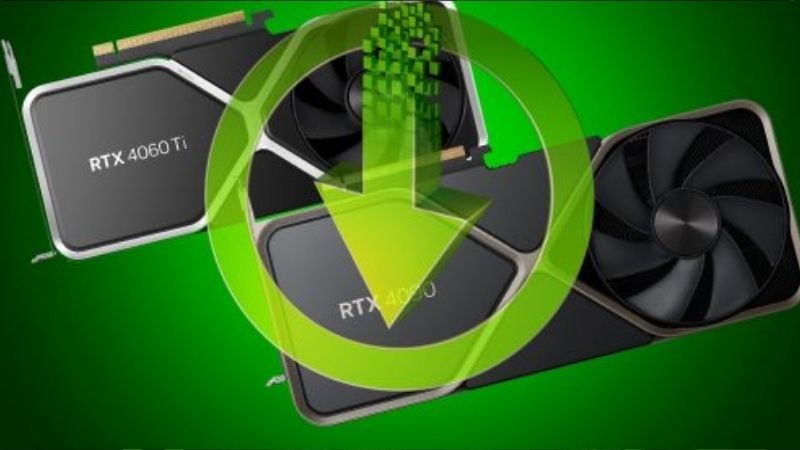
Understanding GeForce Drivers
Before installing anything, it helps to understand what GeForce drivers actually are and the software that manages them. Knowing the landscape makes every later step easier and prevents common mistakes. Here is the foundation.
What GeForce Drivers Do
GeForce drivers are the translation layer between Windows and your NVIDIA GPU, telling the card how to render games, video, and everything on your screen. Without the correct driver, your card cannot perform properly, if at all.
Beyond basic function, drivers unlock optimizations, features, and fixes. A current driver can mean higher framerates, correct support for new games, and access to technologies like DLSS, which is why they matter far more than most people assume.
Neglecting drivers is one of the most common reasons a capable card underperforms. Many owners chase hardware upgrades when a simple driver update would have restored the performance they were missing, which makes driver awareness genuinely valuable knowledge.
The NVIDIA App and GeForce Experience
NVIDIA manages drivers through its own software, now the NVIDIA App, which has replaced the older GeForce Experience. This tool detects your card, alerts you to updates, and installs drivers automatically.
It also centralizes game settings, features, and recording tools in one place. For most users, this app is the easiest way to keep GeForce drivers current and to access the extras your card supports without hunting for separate downloads.
Consolidating everything in one app also reduces clutter and confusion, since you are not juggling multiple utilities from different sources. For most people, letting the NVIDIA App handle drivers and features is the simplest, most reliable way to manage a GeForce card.
Game Ready vs Studio Drivers in Brief
GeForce cards can run two driver branches: Game Ready, optimized for the newest games, and Studio, tuned for stability in creative applications. Both work from the same base with different priorities.
Gamers should generally pick Game Ready, while creators lean Studio. You can switch during installation, so match the branch to how you use your PC most, and revisit the choice only if your needs change.
Because switching is just a checkbox during installation, there is no long-term commitment. You can start with Game Ready and move to Studio later if you take up serious creative work, with no penalty beyond a quick reinstall.
Finding the Right GeForce Driver for Your Card
Installing the correct driver for your specific GPU is the foundation of a trouble-free setup. Getting this step right prevents most of the problems people blame on their hardware. Here is how to find exactly what your card needs.
Identifying Your GPU Model
Start by knowing your exact GeForce model, which you can find in the NVIDIA App, Windows Device Manager, or system information tools. The precise model determines which driver you need.
This matters because installing a driver meant for a different card leads to poor performance or errors. A minute spent confirming your model saves the frustration of chasing problems that a correct download would have avoided entirely.
Writing your exact model down somewhere handy also speeds up every future download and any support requests. It is a small piece of information that repeatedly saves time whenever drivers or troubleshooting come up.
Auto-Detect vs Manual Selection
NVIDIA offers two ways to find your driver. The NVIDIA App auto-detects your hardware and serves the right driver, which is the safest route for most users and removes any guesswork.
Alternatively, you can manually select your GPU on NVIDIA’s official website to download a specific version. Manual selection suits users who want control over which release they install, but always confirm you have chosen the exact card.
For most people the auto-detect route is the better choice, since it removes any chance of human error. Manual selection is best reserved for those who deliberately want an older or specific driver version for a known reason.
Desktop vs Laptop GeForce Drivers
Laptop and desktop GeForce cards can use different drivers, and this trips up many users. A mobile GPU may need a driver tailored to the laptop, though NVIDIA has unified much of this in recent years.
If you use a gaming laptop, let the NVIDIA App handle detection, or select the mobile version carefully when downloading manually. Getting this distinction right avoids compatibility issues specific to laptop hardware.
Laptop owners should also be aware that some machines receive driver updates through the manufacturer rather than only NVIDIA. If a standard driver ever causes trouble on a laptop, checking the maker’s support page is a sensible fallback.
Installing, Updating, and Fixing GeForce Drivers
With the right driver identified, a clean install and sensible update habits keep everything running smoothly. When problems do appear, most have simple fixes. Here is how to install, maintain, and troubleshoot your drivers.
Performing a Clean Install
For the best results, use the clean install option during setup, which removes old driver files before adding the new ones. This clears leftover settings that commonly cause conflicts, especially when upgrading or switching cards.
Follow the prompts, let the installer finish, and reboot if asked. A clean install is the single most reliable way to prevent the black screens and glitches that plague messy or repeated upgrades.
The clean install option is especially worth using when moving between major driver versions or after swapping cards. Spending one extra minute here routinely prevents the kind of stubborn glitches that can otherwise take an evening to diagnose.
Keeping Drivers Updated
The NVIDIA App can notify you when new drivers arrive, letting you update with a click. Enabling notifications keeps you current without constant manual checks.
You do not need every single release, but staying reasonably up to date ensures you get the latest optimizations and fixes. Updating before major game launches is especially worthwhile for the best experience.
Fixing Common GeForce Driver Problems
The most frequent issues are crashes, black screens, or the driver failing to install. A clean reinstall resolves the majority of these, clearing the corrupted or conflicting files behind them.
If problems persist, fully removing the driver with a dedicated uninstall tool and then reinstalling usually clears stubborn conflicts. Keeping Windows updated and avoiding mixed driver versions prevents many recurring headaches.
Getting the Most from Your Drivers and GPU
Great drivers are only worthwhile if you use what they offer, and a few habits keep your card at its best. Here is how to unlock more value, weigh the driver experience honestly, and know when hardware is the real limit.
Useful Features Worth Enabling
Current GeForce drivers unlock features many owners never touch, from DLSS upscaling and frame generation in supported games to recording, streaming, and performance overlays through the NVIDIA App.
Exploring these can meaningfully improve your experience, boosting framerates or letting you capture gameplay without extra software. Spending a few minutes in the app often reveals value you have already paid for with your card.
Features like automatic game optimization can also configure settings for you, taking the guesswork out of balancing quality and performance. For newcomers especially, letting the software handle these choices is an easy way to get a great experience without deep technical knowledge.
Pros and Cons of the GeForce Driver Experience
Here is the honest balance from user sentiment:
| Pros | Cons |
|---|---|
| Frequent optimizations and fixes | Updates can feel constant |
| Easy management via the NVIDIA App | A rare release may introduce an issue |
| Unlocks powerful AI features | Clean installs sometimes needed for fixes |
Most users find the GeForce driver experience smooth once set up, and the occasional hiccup is usually solved by a clean install rather than signaling a deeper problem.
The key is not to fear updates, but to approach them sensibly: stay current, keep a stable version in reserve, and use clean installs when needed. With those habits, the rare rough release becomes a minor inconvenience rather than a lasting problem.
When a GPU Upgrade Beats a Driver Fix
Sometimes no driver can deliver the performance you want, because the card itself is the limit. If you constantly run out of memory or fall short at your resolution, an upgrade is the real answer.
Until then, keeping your GeForce drivers healthy gets the most from your current card. If you are ready to move up, compare current GeForce GPU prices on Amazon to find a card that fits your needs and budget.
See More:
- Radeon drivers
- What is NVIDIA CUDA Toolkit
- 4080 Super vs 5060 Ti
- NVIDIA PhysX
- NVIDIA Game Ready Driver
Conclusion
Managing your GeForce drivers well is one of the simplest ways to keep your NVIDIA card fast, stable, and fully featured, yet it is something many users neglect. Identify your exact model, install cleanly from NVIDIA directly, keep reasonably current through the NVIDIA App, and explore the features you already own. When issues arise, a clean reinstall solves most of them, and when even that is not enough, the card may simply be the limit. Stay on top of your GeForce drivers and your GPU will reward you with reliable performance for years.
Frequently Asked Questions
Should I install Game Ready or Studio drivers?
Game Ready drivers ship alongside major game launches and prioritise day-one optimisation and bug fixes for new titles. Studio drivers update less often and receive extra validation against creative applications like DaVinci Resolve, Premiere and Blender. Gamers should take Game Ready; anyone whose income depends on stable rendering should take Studio.
How often do I actually need to update?
Not every release. Update when a game you play launches with a matching Game Ready branch, when a security advisory is published, or when you hit a bug that release notes say is fixed. Chasing every driver on a stable system invites regressions with no measurable benefit.
What is the correct way to do a clean driver install?
Download the driver first, disconnect from the internet so Windows Update cannot intervene, boot into safe mode, run Display Driver Uninstaller to remove all NVIDIA components, reboot, then install the new package and choose the clean installation checkbox. This clears corrupted profiles that cause crashes and stuttering.
Why does my driver installation keep failing?
The usual culprits are Windows Update installing a conflicting driver mid-install, leftover files from a previous version, antivirus blocking the installer, or a mismatch between the package and your GPU generation. Verify the card model in Device Manager, disable third-party antivirus temporarily, and use the clean install path.
What causes a display driver stopped responding error?
Most often an unstable overclock, insufficient or unstable power delivery, overheating memory, or a corrupted driver install. Reset any overclock, check GPU and memory temperatures under load, confirm the PCIe power cables are seated fully on separate rails, and only then rule out the card itself.
As an Amazon Associate we earn from qualifying purchases at no extra cost to you.






Write Your Review
No reviews yet. Be the first to share your experience!