
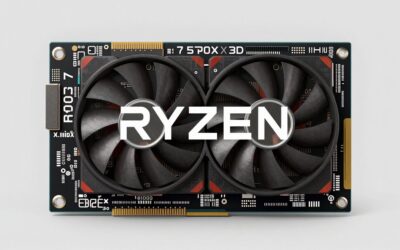
- Top Pick: ASRock Radeon RX 9060 XT Challenger 16GB OC, RDNA 4, 3290MHz Boost, 16GB GDDR6 128-bit, PCIe 5.0, Dual Fans, 0dB Silent, LED Indicator, DisplayPort 2.1a, HDMI 2.1b
- Best Value: ASUS Prime GeForce RTX 5060 Ti 16GB GDDR7 Gaming Graphics Card
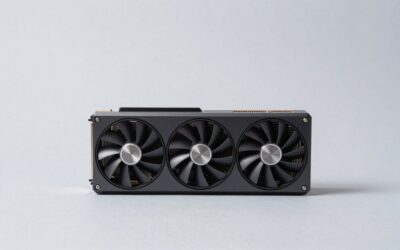
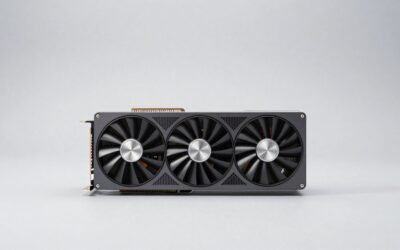
- Premium Choice: XFX Swift AMD Radeon RX 9060 XT OC Triple Fan Gaming Edition with 16GB GDDR6 HDMI 2xDP, RDNA 4 RX-96TS316B7, Graphics Card, Compatible with Desktop PCs
5060 Ti vs 9060 XT is the defining mid-range GPU matchup of 2026, pitting NVIDIA’s Blackwell-based GeForce RTX 5060 Ti against AMD’s RDNA 4 Radeon RX 9060 XT. Both target 1080p and 1440p gamers with 16GB versions, and on paper they are remarkably close. This comparison cuts straight to the data: a quick verdict for fast decisions, a full specifications table, a feature-by-feature face-off covering performance, ray tracing, and upscaling, a third option if both prove too pricey, and a clear final recommendation. If you are choosing between these two cards in 2026, this 5060 Ti vs 9060 XT breakdown gives you the numbers and the verdict.
As an Amazon Associate we earn from qualifying purchases at no extra cost to you.






The Quick Verdict
For readers who want the answer immediately, the 5060 Ti vs 9060 XT contest is close enough that it comes down to priorities rather than a knockout. Both are strong 1080p and 1440p cards with 16GB of memory, and the right pick depends on whether you value price or features.
If You Want Value: RX 9060 XT
The Radeon RX 9060 XT is the value winner. It launched at $349 against the RTX 5060 Ti 16GB’s $429, undercutting NVIDIA by $80, and in pure rasterization it trades blows or edges slightly ahead.
It also draws a little less power. For buyers who care most about frames per dollar and efficiency, the 9060 XT is the logical default choice in this matchup.
If You Want Features: RTX 5060 Ti
The GeForce RTX 5060 Ti is the features winner. It offers stronger ray tracing, faster GDDR7 memory bandwidth, and DLSS 4 with Multi Frame Generation, NVIDIA’s most advanced upscaling and frame-multiplying technology.
For gamers who play ray-traced titles or want the broadest upscaling support, those advantages can justify the higher price. The 5060 Ti leans on its software and ray tracing edge rather than raw value.
The One-Line Answer
In short: buy the RX 9060 XT for the best value and efficiency, and the RTX 5060 Ti for superior ray tracing and DLSS 4. Both are excellent 1080p and 1440p cards, so neither is a wrong choice.
If price is your deciding factor, the AMD card wins; if features and ray tracing matter more, the NVIDIA card earns its premium.
5060 Ti vs 9060 XT: Specs Compared
The specifications explain why this matchup is so close, with each card leading in different measurable areas. The table below summarizes the core numbers, and the sections that follow unpack what they mean for real use.
| Specification | RTX 5060 Ti 16GB | RX 9060 XT 16GB |
|---|---|---|
| Architecture | NVIDIA Blackwell | AMD RDNA 4 |
| Shaders | 4,608 CUDA cores | 2,048 stream processors (32 CUs) |
| Memory | 16GB GDDR7 | 16GB GDDR6 |
| Bus / Bandwidth | 128-bit / 448 GB/s | 128-bit / ~322 GB/s |
| Boost clock | ~2.57 GHz | ~3.10 GHz |
| Board power | 180W | 180W |
| Launch MSRP | $429 | $349 |
| Upscaling | DLSS 4 (Multi Frame Gen) | FSR 4 |
Architecture and Cores
The two cards take different routes to similar performance. The RTX 5060 Ti uses NVIDIA’s Blackwell architecture with 4,608 CUDA cores, while the RX 9060 XT uses AMD’s RDNA 4 design with 2,048 stream processors across 32 compute units.
The core counts are not directly comparable because the architectures differ, but AMD offsets fewer shaders with much higher clock speeds, boosting to around 3.1 GHz against NVIDIA’s roughly 2.57 GHz, which is why the two land within a few percent of each other in most workloads.
Memory and Bandwidth
Both cards carry 16GB of VRAM, generous for the class and a reason to favor these over 8GB options at 1440p. The difference is memory type and bandwidth.
The RTX 5060 Ti uses faster GDDR7 and delivers around 448 GB/s of bandwidth, roughly 39 percent more than the 9060 XT’s GDDR6 setup at about 322 GB/s. That bandwidth advantage helps NVIDIA in some demanding scenarios, though both 16GB buffers handle high-resolution textures comfortably at 1080p and 1440p.
Power and Efficiency
Both cards carry a 180-watt board power rating, but real-world testing gives AMD a modest efficiency edge thanks to RDNA 4’s more advanced manufacturing process. The 9060 XT typically draws a little less under load.
That gap is small but real, translating to slightly lower heat and power bills over time. For efficiency-focused builders it is one more point in the Radeon card’s favor, though both cards run comfortably on a quality 550-to-600-watt supply.
Deep Dive Face-Off
With the specifications established, the deeper comparison is where each card earns or loses ground. Across performance, ray tracing and upscaling, and overall balance, the 5060 Ti vs 9060 XT race stays tight but shows clear character differences.
Gaming Performance Head to Head
In rasterized gaming the two cards are nearly tied. Across large benchmark suites they land within a few percent, with the 9060 XT often edging ahead at 1080p and 1440p in pure raster while the 5060 Ti closes or reverses the gap in titles that favor its bandwidth.
Test results vary by source and game selection, with some aggregate scores favoring NVIDIA once ray tracing is included and others giving AMD the raster lead. The honest reading is parity in raw frames, so neither card will feel meaningfully faster in everyday gaming and the decision rests on features, efficiency, and price.
Ray Tracing, DLSS 4, and FSR 4
This is where the cards separate. The RTX 5060 Ti holds a clear ray tracing advantage, and its DLSS 4 with Multi Frame Generation can multiply frame rates in supported titles, a genuine experimental edge for future-leaning gamers.
AMD answers with FSR 4, which has narrowed the quality gap considerably and is improving rapidly, but NVIDIA’s upscaling ecosystem remains broader and more mature across games.
The 5060 Ti can also upgrade the DLSS version in older titles through driver-level overrides, extending the value of its AI features over time. For ray tracing and upscaling, NVIDIA leads this matchup.
Pros and Cons in the 5060 Ti vs 9060 XT Battle
The RX 9060 XT’s pros are its lower price, slight efficiency advantage, competitive rasterization, and 16GB of memory; its cons are weaker ray tracing and a less mature upscaling ecosystem than NVIDIA’s.
The RTX 5060 Ti’s pros are superior ray tracing, faster GDDR7 bandwidth, and DLSS 4 Multi Frame Generation; its cons are the higher price and a small efficiency disadvantage, which weaken its value in the 5060 Ti vs 9060 XT comparison.
The 2026 Market and a Third Option
This matchup does not happen in a vacuum, because 2026’s market has pushed both cards’ prices well above their launch figures. Understanding why, and what it means for this battle, is essential before buying, and it also opens the door to a third option if both prove too expensive.
Why Both Cards Cost More in 2026
Both cards are caught in a severe structural memory shortage. DRAM contract prices have risen more than 170 percent year over year, and because video memory can account for up to 80 percent of a graphics card’s bill of materials, new GPU prices have climbed sharply, with current-generation cards up an estimated 15 to 23 percent and some models jumping 16 to 17 percent almost overnight.
AI demand is the driving force. With the United States approving sales of NVIDIA’s powerful H200 accelerators to major Chinese firms, memory and fabrication capacity is being pulled toward data-center silicon, and reports indicate NVIDIA has trimmed mid-range consumer output by a significant margin. Memory suppliers have warned the shortage could persist into 2027.
The result hits 16GB cards hardest, since they need the most memory. The 9060 XT 16GB and 5060 Ti 16GB have both seen real-world prices climb well above their $349 and $429 launch tags, with availability uneven and lead times on some models stretching into months. AMD raised prices around ten percent early in the year and NVIDIA followed soon after, so the increases span both brands rather than favoring either side of this matchup.
What the Shortage Means for This Matchup
For the 5060 Ti vs 9060 XT decision, the shortage sharpens the value argument. With both cards inflated, the 9060 XT’s lower starting price gives it more cushion, often keeping it the cheaper option even after increases.
It also raises the stakes on availability. The better buy is sometimes simply whichever 16GB card is actually in stock at a fair price, since paying a steep premium erodes the value of either choice. With NVIDIA reportedly steering capacity toward AI accelerators after the H200 export approval, mid-range stock has been thinner than usual, making a card that is actually available worth more than a slightly faster one that is not.
The practical advice is to compare real current prices, not launch MSRPs, and to treat a clean, in-stock card at a reasonable figure as the winner in a market where both are harder to find. Because the shortage is expected to last into 2027, waiting for prices to return to launch levels is a poor strategy, and buying when a fair deal appears makes more sense than holding out indefinitely.
The Alternative If Both Are Too Pricey
If 2026 pricing pushes both 16GB cards out of reach, there are sensible alternatives. The 8GB versions of each card, or the cheaper RTX 5060, serve strict 1080p gamers at lower cost, though their smaller buffers limit 1440p headroom.
For buyers who can stretch the other direction, the Radeon RX 9070 is a notable step up in performance for those wanting more longevity. It costs more but delivers a meaningful frame-rate jump over both cards here.
In a tight market, the smartest move may be stepping down to an 8GB card to save money or up to an RX 9070 for more power, depending on budget and resolution.
Frequently Asked Questions
A few questions recur from buyers weighing the 5060 Ti vs 9060 XT decision in 2026. The concise answers below cover the winner, value, and resolution.
Which is better, the RTX 5060 Ti or RX 9060 XT?
They are close. The RX 9060 XT wins on value and efficiency, while the RTX 5060 Ti wins on ray tracing and DLSS 4. Pick based on whether price or features matter more to you.
Is the RX 9060 XT better value than the RTX 5060 Ti?
Yes. It launched $80 cheaper and roughly matches the 5060 Ti in rasterization, giving it a better cost-per-frame. The 5060 Ti justifies its premium mainly through ray tracing and upscaling.
Are these cards good for 1440p gaming?
Yes. Both 16GB models handle 1080p and 1440p well, with their large memory buffers a clear advantage over 8GB cards at higher resolutions and texture settings.
See more:
Recommended Products

GIGABYTE
GIGABYTE GeForce RTX 4070 Super WINDFORCE OC 12G Graphics Card, 3X WINDFORCE Fans, 12GB 192-bit GDDR6X, GV-N407SWF3OC-12GD Video Card
ZOTAC
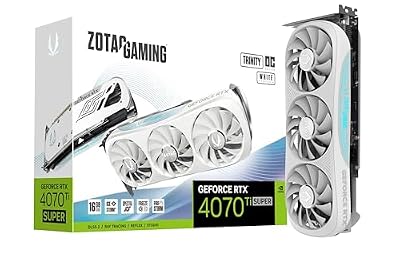
ZOTAC Gaming GeForce RTX 4070 Ti Super Trinity OC White Edition DLSS 3 16GB GDDR6X 256-bit 21 Gbps PCIE 4.0 Gaming Graphics Card, IceStorm 2.0 Advanced Cooling, Spectra RGB Lighting, ZT-D40730Q-10P

PNY
PNY GeForce RTX™ 4070 12GB XLR8 Gaming Verto Epic-X RGB™ Triple Fan Graphics Card DLSS 3
As an Amazon Associate we earn from qualifying purchases. Product prices and availability are accurate as of the date/time indicated.
Final Verdict and Recommendation
The 5060 Ti vs 9060 XT battle ends without a decisive knockout, which is good news for buyers: both are excellent 16GB mid-range cards for 1080p and 1440p gaming. Choose the Radeon RX 9060 XT for the best value and efficiency, since it launched $80 cheaper and matches NVIDIA in rasterization while drawing slightly less power. Choose the GeForce RTX 5060 Ti if ray tracing, faster GDDR7 bandwidth, and DLSS 4 Multi Frame Generation justify the premium. In 2026’s inflated market, let availability guide you too, since a clean, in-stock card at a fair price often beats holding out for the theoretically better option. Either way, the 5060 Ti vs 9060 XT choice rewards matching the card to your priorities.

Write Your Review
No reviews yet. Be the first to share your experience!