
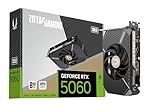
- Top Pick: ZOTAC Gaming GeForce RTX 5060 Twin Edge OC DLSS 4 8GB GDDR7 128-bit 28 Gbps PCIE 5.0 Gaming Graphics Card, SFF-Ready Compact Card, ZT-B50600H-10A
- Best Value: GIGABYTE GeForce RTX 5060 Ti WINDFORCE OC 8G Graphics Card, 8GB 128-bit GDDR7, PCIe 5.0, WINDFORCE Cooling System, GV-N506TWF2OC-8GD Video Card
- Premium Choice: ASUS Dual GeForce RTX 5060 Ti 8GB GDDR7 OC Edition Gaming Graphics Card


Prime
Limited Time
PNY NVIDIA GeForce RTX™ 5060 OC Dual Fan, Graphics Card (8GB GDDR7, 128-bit, SFF-Ready, PCIe® 5.0, HDMI®/DP 2.1, 2-Slot, NVIDIA Blackwell Architecture, DLSS 4)
Nvidia Rtx 5060 8gb Review is the ultimate guide for PC builders seeking the best budget graphics card in 2026. As the most affordable card in NVIDIA’s Blackwell family, we analyze its raw gaming power, architecture, thermals, and whether its 8GB GDDR7 frame buffer is enough to handle modern games.
Blackwell Architecture and Hardware Analysis
NVIDIA’s Blackwell architecture introduces massive changes to the consumer GPU market, shaking up how entry-level cards operate under heavy gaming and rendering workloads. The RTX 5060 8GB is built on these very foundations, which means it brings advanced features down to a price point that budget-conscious gamers can actually afford. Let us take a detailed look at what is happening under the hood of this GPU.
As an Amazon Associate we earn from qualifying purchases at no extra cost to you.




The Power of Blackwell and GDDR7 VRAM
The RTX 5060 represents a major architectural leap over its predecessor, the RTX 4060, transitioning to a highly optimized 5nm process node. At the heart of the card is the GB206 graphics processor, packed with 3,840 CUDA cores, 120 Tensor cores, and 30 Ray Tracing cores. These specs represent a roughly 25% increase in compute density, which allows the card to process shaders and geometry far more effectively than previous-generation models.
The most exciting upgrade in this generation is the transition to GDDR7 memory. Operating at a blistering 28Gbps on a 128-bit memory bus, the RTX 5060 achieves a memory bandwidth of approximately 448GB/s. This is a massive 65% increase over the RTX 4060’s GDDR6 setup. This high bandwidth alleviates the narrow bus bottleneck that plagued the previous 60-class cards, ensuring smoother asset streaming during high-speed transitions.
Power Consumption and Thermal Efficiency
Power management has always been a key focus for mid-range systems, and the RTX 5060 does not disappoint. NVIDIA has rated this graphics card with a Total Graphics Power (TGP) of 145W, which is slightly higher than the RTX 4060’s 115W, but still incredibly modest compared to high-end Blackwell boards. It requires only a single 8-pin power connector, making it compatible with older power supplies and avoiding the need for the controversial 12V-2×6 cable adapters on budget builds.
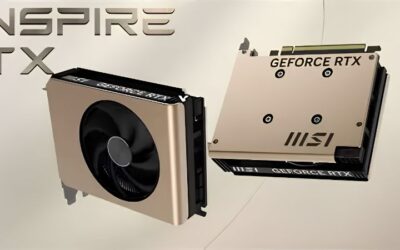
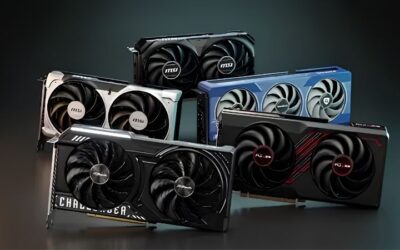
Partner cards, such as the dual-fan models from ASUS, Gigabyte, and MSI, run exceptionally cool because of this highly efficient profile. Under typical gaming loads, temperatures hover between 60°C and 65°C, with fan noise remaining completely whisper-quiet. This low thermal output also allows manufacturers to build ultra-compact, single-fan ITX cards, making this GPU the undisputed king for small-form-factor (SFF) home theater PCs or office rigs.
DLSS 4 and Multi Frame Generation Technology
One of the largest selling points for the RTX 50-series is the exclusive support for DLSS 4, which introduces advanced AI upscaling and Multi Frame Generation. Replacing the older convolutional neural networks with advanced Transformer-based AI models, DLSS 4 improves image reconstruction quality significantly. It analyzes temporal motion data with greater accuracy, reducing the ghostly artifacts and blurriness that occasionally appeared in older DLSS versions.
For the RTX 5060, DLSS 4 acts as an essential performance multiplier. By rendering the game at a lower internal resolution and utilizing the new AI Management Process (AMP) hardware scheduler, the card can generate multiple intermediate frames without overloading the main rendering pipeline. This means you can play highly demanding games with ray tracing enabled at incredibly smooth frame rates, keeping the card viable for years to come.
Real-World Gaming Benchmarks and Performance
Evaluating a graphics card requires more than just examining technical specifications on a spreadsheet; we must see how it handles actual game engines. Our research focuses on how the RTX 5060 manages modern AAA titles and competitive esports games under realistic conditions. Let us break down the performance across different scenarios to see where this GPU truly shines and where it hits its physical limits.
1080p Ultra Gaming Performance Benchmarks
At 1080p resolution, the RTX 5060 is an absolute powerhouse, delivering performance that easily rivals the older RTX 4060 Ti. In modern AAA blockbusters like Black Myth: Wukong and Alan Wake 2, the card maintains a highly stable 75 to 80 FPS at maximum settings. When you enable DLSS 4, these frame rates easily soar past 120 FPS, providing a buttery-smooth visual experience that maximizes high-refresh-rate monitors.
Esports enthusiasts will find this card to be an excellent investment for competitive titles. In games such as Valorant, Counter-Strike 2, and Apex Legends, the RTX 5060 easily pushes frame rates well past 240 FPS at 1080p. The combination of high frame rates and NVIDIA Reflex technology reduces system latency to single-digit milliseconds, giving players a distinct advantage in fast-paced competitive matches where every millisecond counts.
1440p Gameplay Limits and Memory Bottlenecks
When scaling the resolution up to 1440p, the RTX 5060 delivers respectable but highly constrained performance. In older or lighter titles like The Witcher 3 or Forza Horizon 5, the card has no trouble maintaining a steady 60 FPS at high settings. However, demanding modern releases push the 8GB memory buffer to its absolute limit, leading to performance drops.
In games that exceed the 8GB memory allocation, like Hogwarts Legacy or Resident Evil 4 Remastered with maximum textures, the card is forced to stream data over the PCIe bus. This causes noticeable micro-stutters and slow asset loading. To maintain a smooth 60 FPS at 1440p in modern AAA games, players must compromise by reducing texture quality or relying heavily on aggressive DLSS upscaling settings.
Pros and Cons of the RTX 5060 8GB
To help you make an informed decision, it is essential to look at both the advantages and disadvantages of this card. Weighing these aspects will show you whether this budget Blackwell option matches your gaming goals or if you need to save up for a higher-tier card.
Pros:
- Excellent 1080p gaming performance, matching previous-generation mid-range graphics cards.
- Next-generation GDDR7 VRAM delivers outstanding memory bandwidth of up to 448GB/s.
- Exclusive access to DLSS 4 and advanced Transformer-based frame generation.
- Superb energy efficiency with a 145W TDP, keeping thermals and noise low.
- Highly compact board designs that are perfect for small-form-factor builds.
Cons:
- The 8GB frame buffer acts as a hard limit for modern 1440p gaming.
- Significant performance drops when ray tracing is activated without DLSS upscaling.
- Narrow 128-bit memory bus limits bandwidth scaling at higher resolutions.
Market Analysis and Purchasing Decisions in 2026
Understanding the hardware performance is only half the battle; navigating the complex macroeconomic trends of 2026 is equally important. Global supply chains, political export decisions, and manufacturing costs are driving up component prices, making the timing of your purchase a critical variable. Let us analyze the broader market dynamics and user feedback to see why buying now is a highly logical strategy.
The Impact of NVIDIA’s China AI Chip Shipments on Supply
The technology market has experienced a significant shift due to recent changes in export policies. The United States government has authorized NVIDIA to ship its high-performance H200 AI processors to China, sparking a massive surge in enterprise AI chip production. Because global semiconductor fabrication plants operate with limited foundry capacity, major manufacturers are prioritizing these high-margin AI contracts over consumer graphics cards.
For the average PC gamer, this means that consumer GPU production is taking a back seat to the lucrative artificial intelligence boom. Foundries are dedicating more silicon wafers to enterprise accelerators, leading to a quiet supply constraint for mid-range cards like the RTX 5060. As retail stocks fluctuate, these manufacturing priorities could easily lead to sudden inventory shortages and subsequent price hikes in local markets.
Tech Inflation and Rising Component Costs
In addition to supply constraints, the PC hardware industry is facing persistent inflation across raw materials and logistics. The costs of manufacturing high-speed GDDR7 memory chips, multilayer PCB substrates, and quality voltage regulators have continued to climb throughout 2026. This upward trend has triggered a visible rise in the retail prices of desktop parts, prebuilt gaming PCs, and laptops alike.
Waiting for a massive price drop on mid-range graphics cards is proving to be a counterproductive strategy in this economic climate. Since component prices show no signs of slowing down, securing your graphics card sooner rather than later is a smart financial move. Buying the card at its current MSRP shields your budget from impending price adjustments that could drive mid-range GPUs out of your financial reach.
➡️ Check the latest price on Amazon:
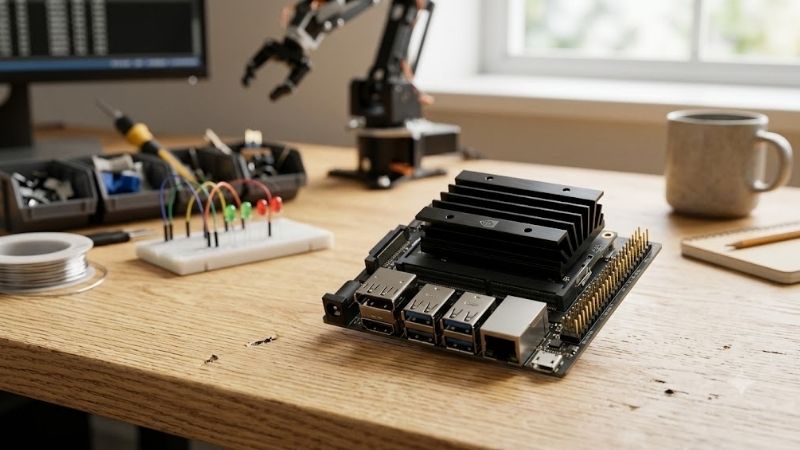
- Nvidia Jetson Nano Gpu
- Nvidia Blackwell China
- How To Install Old Nvidia Drivers
- Rtx 5060 16gb Review
Amazon User Feedback and Final Recommendations
Analyzing retail reviews on Amazon reveals a highly consistent picture of user satisfaction and common pain points. Shoppers who rate the RTX 5060 with 4 and 5 stars consistently praise its whisper-quiet operation, tiny physical footprint, and incredible 1080p performance. Many users highlight that upgrading from an older GTX 1060 or RTX 2060 felt like a night-and-day transition, especially when utilizing DLSS 4 to play modern titles.
On the other hand, critical 2 and 3-star reviews focus heavily on the 8GB memory limitation. Gamers who attempted to play at 1440p with maxed-out settings expressed frustration over occasional micro-stutters and texture pop-in. If you want a trouble-free 1080p machine or plan to utilize upscaling, the RTX 5060 is highly recommended, but if you demand native 1440p gaming, you may want to save for the 16GB variant.
➡️ Check the latest price on Amazon
Conclusion
In conclusion, our Nvidia Rtx 5060 8gb Review demonstrates that this card is a stellar option for 1080p gaming, bringing Blackwell’s advanced architecture to a highly accessible price point. While the 8GB memory limit restricts native 1440p performance, the inclusion of GDDR7 VRAM and DLSS 4 ensures a smooth, future-proof experience at Full HD. Given the current AI chip shifts and rising component inflation in 2026, buying this card today is the safest path to avoid future retail price hikes.
Frequently Asked Questions
What are the RTX 5060 core specifications?
It uses the Blackwell GB206 die with 3,840 CUDA cores, 8GB of GDDR7 on a 128-bit bus giving around 448GB/s of bandwidth, a 145W total graphics power rating and a PCIe 5.0 x8 interface. Display output covers DisplayPort 2.1b and HDMI 2.1, with the ninth generation NVENC encoder for streaming.
Is 8GB of VRAM a dealbreaker on this card?
It is the main weakness. At 1080p with high settings the card is fine in most games, but ray tracing, frame generation and ultra texture packs can push past 8GB and cause severe frame-time spikes. If your budget stretches, the 16GB RTX 5060 Ti or RX 9060 XT 16GB will age far better.
What power supply does the RTX 5060 need?
Nvidia recommends a 550W supply, though a good quality 450W to 500W unit is sufficient with a mainstream CPU. The card uses a single 8-pin PCIe connector rather than the 12V-2×6 connector found on higher Blackwell cards, so no adapter is needed and older ATX 2.x supplies work fine.
Does DLSS 4 Multi Frame Generation make up for the raw performance?
It helps a great deal in supported titles, multiplying displayed frame rates by generating up to three extra frames. However it adds latency and consumes additional VRAM, which is exactly the resource this card lacks. Treat it as a smoothness enhancer at 1080p, not a substitute for genuine rendering headroom.
What resolution and settings should I target?
1080p at high settings with DLSS Quality is the sweet spot, comfortably delivering 60fps or more in most modern games. 1440p is achievable in lighter titles or with upscaling and reduced textures, but the 8GB buffer becomes limiting quickly. Do not plan on 4K gaming beyond older or esports titles.

Write Your Review
No reviews yet. Be the first to share your experience!