
- Top Pick: AMD RYZEN 7 9800X3D 8-Core, 16-Thread Desktop Processor
- Best Value: Micro Center 3-in-1 Combo: AMD Ryzen 7 9800X3D CPU Processor with MSI B850 Gaming Plus WiFi Motherboard and KLEVV CRAS V RGB DDR5 32GB (2x16GB) 6000MHz Ram Memory Black
- Premium Choice: Micro Center 3-in-1 Bundle: AMD Ryzen 7 9800X3D CPU Processor with MSI MAG X870E Tomahawk WiFi ATX Motherboard and KLEVV Bolt V DDR5 32GB (2x16GB) 6000MHz CL30 Ram Memory
9800X3D drivers is a search most people run right after building a new system around AMD’s top gaming CPU — and the first thing worth clearing up is that a CPU like the Ryzen 7 9800X3D does not have a “driver” in the way a graphics card does. What a new 9800X3D build actually needs is the AMD chipset driver, current motherboard firmware, and the correct graphics driver, all installed in a sensible order. Get those right and the platform runs exactly as it should; get them wrong and you can face stutters, missing power features, or a system that underperforms its potential. This review explains precisely what your 9800X3D build needs, how to set it up cleanly, and how to make sure nothing is holding the CPU back.
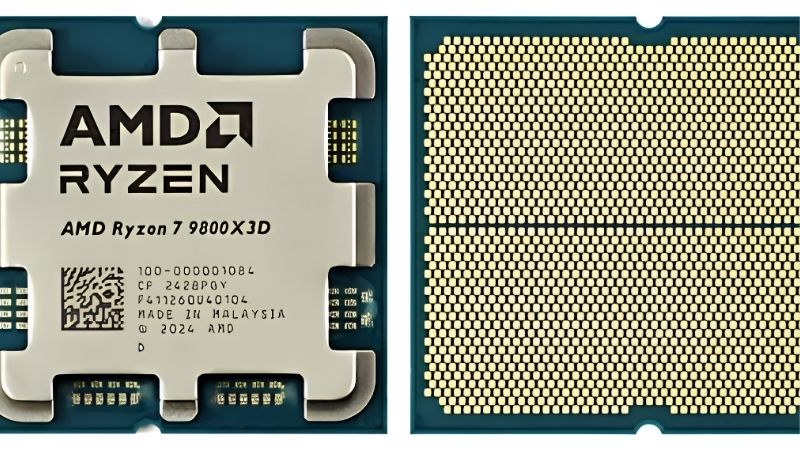
What drivers a 9800X3D build actually needs
The confusion around “9800X3D drivers” comes from thinking of a CPU like a graphics card. In reality, the processor itself works without a dedicated driver, but the platform around it needs a few key pieces of software to function correctly. Understanding what those pieces are is the foundation of a stable, high-performing build.
The chipset driver, not a CPU driver
The single most important download for a new 9800X3D system is the AMD chipset driver for your motherboard. This is what people usually mean when they search for the CPU’s drivers, and it installs the components that let the operating system manage the platform’s power states, features, and connectivity correctly.
The analytical point is that the chipset driver — not any CPU-specific driver — is what governs how well your processor is scheduled and powered. Installing the current chipset package for your board ensures the operating system understands the platform properly, which directly affects both performance and efficiency. Skipping it is a common new-build mistake that leaves performance on the table.
There is a detail specific to this class of CPU worth knowing. The 9800X3D uses AMD’s 3D V-Cache technology, and getting the most from it depends on the platform correctly directing the right workloads to the processor. The current chipset software and its scheduling components are part of what makes that happen smoothly. In other words, the chipset driver is not just housekeeping — on a cache-focused gaming chip, it is part of what lets the CPU’s headline feature do its job. That is one more reason to treat this download as essential rather than optional on a fresh build.
Firmware and why it matters
Alongside the chipset driver, motherboard firmware plays a crucial role, especially on a newer CPU. Firmware updates carry the platform code that ensures full, correct support for your exact processor, and running a current version is important for stability and for unlocking the CPU’s intended behavior.
The practical guidance is to check that your motherboard is running firmware that fully supports the 9800X3D before assuming a problem lies elsewhere. On newer processors, an out-of-date board is a frequent cause of instability or missing features, and updating it is often the fix that resolves what looks like a driver issue.
Pairing the right graphics driver
Because the 9800X3D is a gaming-focused CPU, the graphics driver completes the picture. Whether you pair the CPU with an Nvidia or AMD card, installing the correct, current graphics driver is what turns the platform’s raw capability into actual frame rates in your games.
The point to remember is that the CPU and GPU work as a team. A perfectly configured processor still needs a properly installed graphics driver to deliver its gaming potential, so the graphics driver is as essential to your build’s performance as the chipset package itself.
Setting up a new 9800X3D system cleanly
The order and care you bring to installing these pieces determines whether your build runs flawlessly from day one. A clean, deliberate setup avoids the conflicts and oversights that cause new-build headaches, and it takes only a little more time than a rushed one.
An install order that avoids problems
The reliable sequence for a fresh build is to install the operating system, apply available system updates, then install the AMD chipset driver, confirm your motherboard firmware is current, and finally install the graphics driver. This order ensures each layer sits on a properly prepared foundation.
Following this sequence prevents the most common issues, where a graphics driver installs before the chipset software is in place, or where firmware is overlooked entirely. A few minutes of ordered setup saves hours of later troubleshooting on a brand-new machine.
The logic behind the order is worth internalizing so you can apply it to any build. The chipset driver teaches the operating system about the platform, so it should come before components that rely on that understanding. Firmware sits underneath everything and defines how the board treats the CPU, so confirming it early prevents chasing phantom problems higher up the stack. The graphics driver comes last because it is the layer closest to your games and benefits from a fully prepared system beneath it. Done in this sequence, each install builds on solid ground rather than guessing at a foundation that is not yet there.
Verifying everything is current
Once installed, it is worth confirming that each piece is the version you intended: the chipset driver installed correctly, the firmware supports your CPU, and the graphics driver is the current stable release. A quick verification pass catches anything that did not apply properly.
This step matters most on a new platform, where a single outdated component can cause disproportionate problems. Confirming that your chipset, firmware, and graphics driver are all current gives you confidence that the build is running as designed rather than fighting a hidden mismatch.
Common new-build issues
The most frequent 9800X3D setup problems trace to a missing chipset driver, out-of-date firmware, or a graphics driver installed onto a system that was not yet properly prepared. Symptoms range from stutters and inconsistent performance to missing power management features.
Recognizing the pattern is the fix. If a new build feels off, the answer is almost always one of these three foundations rather than the CPU itself. Reinstalling the chipset driver, updating firmware, and confirming a clean graphics driver install resolves the large majority of new-system complaints.
It is reassuring to know that these problems are configuration issues, not signs of a faulty CPU. A processor either works or it does not, so intermittent stutters and missing features almost never mean a bad chip — they mean the platform software around it needs attention. Approaching a troubled new build with that mindset saves a great deal of worry, because it points you straight at the fixable software layers instead of second-guessing an expensive component that is very likely fine.
Getting the most from the 9800X3D platform
With the software foundation in place, the final consideration is making sure the rest of your build lets the CPU shine. A top gaming processor deserves components that keep pace, and the honest review here is about balance — software, cooling, and the graphics card all have to align.
Pros and cons of the 9800X3D driver situation
Because this is a review, here is the honest assessment of the software side of a 9800X3D build.
| Pros | Cons |
|---|---|
| No CPU-specific driver to hunt for — chipset covers it | Easy to overlook firmware on a newer platform |
| Chipset package handles power and scheduling well | Wrong install order causes avoidable issues |
| Straightforward, well-supported setup | Requires pairing a current graphics driver too |
| Clean setup unlocks the CPU’s full gaming potential | Software alone cannot fix an unbalanced build |
The verdict is that the driver situation for the 9800X3D is refreshingly simple once you know the chipset driver and firmware are the real requirements. The only real risk is neglecting one of the foundations, which a careful setup avoids entirely.
Pairing the right graphics card
The 9800X3D is one of the strongest gaming CPUs available, which means it can drive high frame rates that only a capable graphics card can actually deliver. Pairing it with a weak or aging GPU wastes much of its potential, because the graphics card becomes the limiting factor in most games.
To get the gaming performance the 9800X3D is built for, it deserves a graphics card that can keep up at your target resolution and refresh rate. If your current GPU is the weak link, it is worth comparing capable, well-reviewed cards on Amazon so your top-tier CPU is not held back by an underpowered partner.
Do not bottleneck the CPU
Beyond the graphics card, the platform benefits from adequate cooling and a solid power supply so the CPU can sustain its performance. A processor this capable performs best in a build where nothing else is quietly holding it back, from thermals to power delivery.
If you are assembling or upgrading around the 9800X3D, it is worth making sure the supporting components match its caliber. Comparing quality coolers, power supplies, and graphics cards on Amazon helps you build a balanced system where the CPU’s gaming strength is fully realized rather than bottlenecked.
See More:
- Nvidia CEO LinkedIn
- Nvidia driver rollback
- Nvidia roll back driver
- RX 9070 XT vs 5060 Ti
- Nvidia driver uninstaller
Conclusion
The truth about 9800X3D drivers is that the CPU needs no dedicated driver — what your build needs is the AMD chipset driver, current motherboard firmware, and the right graphics driver, installed in that order. Do that cleanly and verify each piece, and the platform runs exactly as designed, delivering the gaming performance this top processor is known for. Then make sure the rest of the build keeps pace: a capable graphics card, good cooling, and a solid power supply. Compare quality components on Amazon so your 9800X3D runs balanced and unbottlenecked, with nothing holding back one of the best gaming CPUs you can own.
Frequently Asked Questions
Does a Ryzen 7 9800X3D need a CPU driver?
There is no CPU driver in the graphics card sense, but you do need the AMD chipset driver package for your AM5 board. It installs the AMD power plans, the PPM provisioning package that tells Windows how to schedule threads around the 3D V-Cache, and the platform device drivers Windows otherwise leaves as unknown devices.
Why does the 3D V-Cache scheduling matter on this chip?
Unlike dual CCD X3D parts, the 9800X3D is a single eight core CCD with the cache underneath, so there is no cross CCD scheduling puzzle. You still want the chipset driver and an up to date Windows build so preferred core boosting works properly, but you do not need the Game Bar workaround required by 9950X3D style parts.
Which drivers should I install first on a new build?
Update the motherboard BIOS to the latest AGESA release first, then install the AMD chipset driver, then the GPU driver, then network, audio and storage drivers from the board vendor. Installing the chipset package before the GPU driver avoids the power plan and PCIe enumeration oddities that cause erratic boost behavior.
Do I need to enable EXPO and Precision Boost Overdrive?
Enable EXPO so your DDR5 runs at its rated speed instead of the JEDEC fallback, which costs real performance. PBO is optional; the 9800X3D is unlocked and responds well to Curve Optimizer undervolting, but the stock configuration is already close to its ceiling. Verify stability before assuming a profile is safe.
What cooler and power do I need?
The 9800X3D is rated at 120W TDP with a 162W package power ceiling, so a good dual tower air cooler or a 240mm liquid cooler is sufficient. It does not need a 360mm radiator. A quality 750W supply covers the CPU comfortably alongside anything up to an RTX 5080 class graphics card.
As an Amazon Associate we earn from qualifying purchases at no extra cost to you.



Write Your Review
No reviews yet. Be the first to share your experience!