
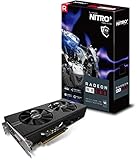
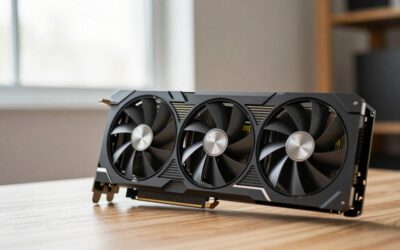
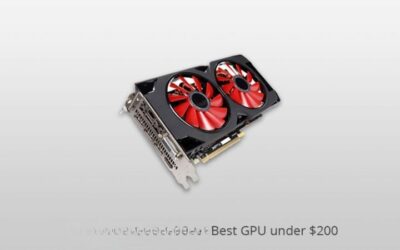
- Top Pick: MOUGOL AMD Radeon RX 580 8GB GDDR5 Gaming Graphics Card HDMI/DP/DVI – Black
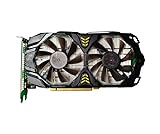
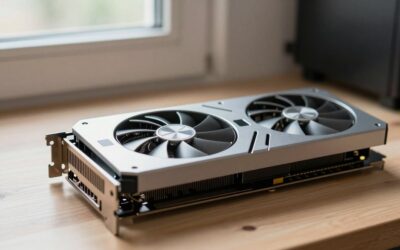
- Best Value: MOUGOL AMD Radeon RX 580 8GB GDDR5 Gaming Graphics Card HDMI/DP/DVI – White
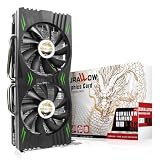
- Premium Choice: SURALLOW RX 580 8GB Graphics Card, 2048SP,GDDR5,256 Bit Graphics Card for Gaming PC,PCIE 3.0,Twin Fans Computer Video Card with 3XDP,HDMI Ports


RX 580 8GB remains one of the most searched budget graphics cards of 2026, and that says something remarkable about a GPU first released back in 2017. For gamers building the cheapest possible 1080p machine or reviving an old PC, this AMD classic still turns up at tempting used prices. But is a card this old actually worth buying today? This review blends the strongest four- and five-star owner feedback with the honest two- and three-star complaints to give you a balanced, expert verdict before you spend a single dollar. The goal is simple: to tell you exactly what this old card can and cannot do in 2026, so you know whether it fits your budget and your games before you buy rather than after.
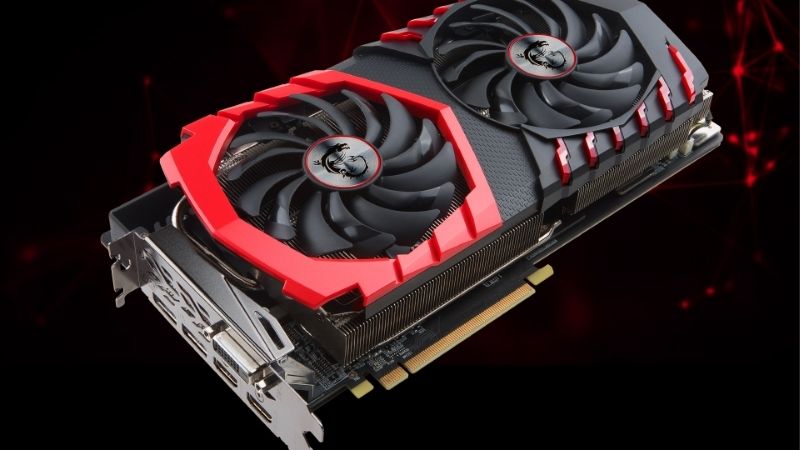
RX 580 8GB Specs and Who It’s For
Start with what the card is and who benefits most. The RX 580 8GB is a Polaris-era budget GPU, and its combination of a generous memory buffer and rock-bottom used pricing defines exactly which buyers should still consider it in 2026 and which should look at something newer. Getting that fit right is the whole game with a card this old, because the RX 580 8GB is either a brilliant bargain or a false economy depending entirely on what you expect from it.
As an Amazon Associate we earn from qualifying purchases at no extra cost to you.




Key Specs That Still Matter in 2026
The RX 580 8GB uses AMD’s Polaris architecture with 2,304 stream processors, 8GB of GDDR5 on a 256-bit bus, and a board power of roughly 185W. That 8GB buffer is the reason this version is worth seeking out over the 4GB model.
By modern standards the raw compute is modest, but the wide 256-bit bus and full 8GB of memory let it punch above its age in games that lean on texture capacity rather than raw shader power. That memory advantage is exactly why the 8GB version has aged more gracefully than the 4GB model, which increasingly stutters in modern titles that the larger card still handles at 1080p.
The headline takeaway is value: few cards deliver a functional 1080p gaming experience for as little money as a used RX 580 8GB does today. For a first gaming PC, a spare build or a machine for a younger family member, that value proposition is genuinely hard to argue with, even eight years after the card first launched.
1080p Gaming and Light Creator Use
For gamers, the RX 580 8GB is squarely a 1080p card. It handles esports titles at high frame rates and runs many older and mid-weight AAA games at medium settings comfortably. For the huge catalogue of games more than a couple of years old, it remains a perfectly pleasant way to play at 1080p without spending real money.
For light creators, the 8GB buffer helps with basic photo editing, entry-level video work and casual 3D, though it is not built for heavy professional workloads.
What it is not is a 1440p or ray-tracing card. Push it beyond 1080p or into the newest, most demanding titles at high settings and it quickly runs out of headroom, so set expectations to match its budget positioning. Think of it as the price of entry to PC gaming rather than a card that will keep pace with the newest releases at high settings, and it rarely disappoints within that honest framing.
What Buyers Say: Ratings Round-Up
Across owner reviews, the four- and five-star pattern is consistent: praise for unbeatable value, solid 1080p performance, and the practicality of the 8GB buffer for the price. Many describe it as the card that got them into PC gaming, or the one they hand down to a family member, which speaks to how much goodwill it has earned over the years.
The two- and three-star complaints focus on the age of the card, higher power draw than newer budget options, driver quirks on some systems, and the ever-present worry of buying an ex-mining unit.
The balanced read is that happy buyers went in knowing they were purchasing an old but capable bargain, while disappointed ones expected modern performance or bought an unverified, heavily used card. That pattern is worth remembering, because it means most negative experiences come down to mismatched expectations or a bad seller rather than any fundamental fault in the card itself.
Real-World Performance of the RX 580 8GB
Specs set expectations; real play confirms them. Here is how the RX 580 8GB performs in actual 1080p gaming, how its 8GB buffer and modern upscaling extend its life, and the power and fit realities you should plan around before buying. None of these are dealbreakers for the right buyer, but knowing them up front is what separates a happy owner from a frustrated one.
1080p Frame Rates and Real-World Gaming
In esports and competitive titles, the RX 580 8GB delivers smooth, high frame rates that keep a standard 1080p monitor happily fed, which is exactly what most budget builders need.
In modern AAA games, it holds up at medium settings and 1080p in many titles, though the newest and heaviest releases will require dropping details to stay smooth.
Practical takeaway: treat it as a capable 1080p medium-settings card. Within that lane it is genuinely enjoyable; push it further and its age shows quickly. Lowering a few settings such as shadows and volumetric effects often recovers plenty of performance in heavier titles, which is the practical way most owners keep the card feeling smooth.
8GB VRAM and FSR: Stretching an Old Card
The 8GB buffer is the RX 580’s quiet advantage. Many modern games now allocate more than 4GB even at 1080p, so the extra memory keeps this version smoother where the 4GB model stutters.
AMD’s FSR upscaling, which works on the RX 580 in supported titles, can also reclaim meaningful performance by rendering at a lower resolution and upscaling, effectively extending the card’s useful life.
Combined, more VRAM and software upscaling let a 2017 card remain viable at 1080p in 2026, which is a large part of why demand for it has not faded. It is a neat example of software keeping old hardware relevant, and it means the practical gap between this card and pricier budget options is smaller in real gameplay than the raw specs suggest.
Power Draw, Thermals and PSU Requirements
Plan around roughly 185W of board power. A quality 500W to 550W PSU with the correct PCIe power connector is a sensible target for a system built around this card.
The RX 580 runs warmer and draws more power than some newer budget cards, so decent case airflow matters, especially with an older, dust-prone unit.
Because so many RX 580s spent time in mining rigs, checking the fans, thermal paste and general condition of a used unit is well worth the few minutes it takes before you commit. A card that ran cool and clean will serve you far longer than a neglected one, so condition matters at least as much as the sticker price when the hardware is this old.
Buying a Used RX 580 8GB in 2026
Since nearly every RX 580 8GB on sale is now used, buying carefully matters as much as the card itself. This section weighs the pros and cons, explains how 2026 pricing keeps budget cards relevant, and shows how to check a unit before you pay. For a card this cheap, a careful purchase is what turns a small outlay into real gaming value rather than a gamble.
Pros and Cons of the RX 580 8GB
The honest balance sheet, drawn from specifications and the recurring themes in owner feedback rather than from nostalgia. Judge it purely on what it does today for the money it costs, and the picture is refreshingly clear.
| Pros | Cons |
|---|---|
| Extremely cheap on the used market | Old 2017 architecture, modest raw power |
| 8GB VRAM helps at 1080p | Higher power draw than newer budget cards |
| Capable 1080p and esports gaming | No ray tracing; struggles at 1440p |
| Wide 256-bit bus and FSR support | High ex-mining risk on the used market |
If the cons are deal-breakers, a newer budget card may serve you better; if a rock-bottom price for functional 1080p gaming is the goal, the RX 580 8GB still delivers. There is simply no cheaper credible way to get a real gaming PC running today, which is why the card refuses to disappear from build guides and marketplaces alike.
How Rising Component Prices Keep It Relevant
The RX 580’s continued appeal is tied to the wider market, and in 2026 that market is expensive. Component and laptop prices have kept trending upward, which pushes budget buyers toward cheap used cards like this one.
There is cautious good news: the steep price climbs of late 2025 have eased, and some makers such as Framework report a period of relative stability, though they still warn the situation can shift.
Real relief, however, is far off. New memory supply from suppliers like CXMT and Micron’s upcoming Idaho fabs will not arrive until roughly 2027 to 2028, so as long as new cards stay pricey, a cheap used RX 580 8GB remains a rational entry point into PC gaming. For a buyer waiting on the sidelines for prices to fall, this card is a sensible way to start gaming now instead of waiting years for a market that may not soften soon.
How to Check a Used RX 580 Before You Buy
Reduce your risk with a few checks. Ask the seller for the age of the card, whether it was used for mining, and for a photo of it running a stress test with temperatures visible on screen.
On arrival, run a benchmark loop and watch temperatures and clocks for stability, listen for failing fans, and confirm every display output works as it should.
Buying from a seller that offers returns and buyer protection is the single best safeguard for an old, high-mileage card, so favor listings that clearly back the sale.
See More:
Conclusion
The RX 580 8GB in 2026 is a very specific tool: the cheapest sensible way to build or revive a 1080p gaming PC, provided you accept its age, its 185W appetite and its limits beyond medium settings. Owner reviews tell a clear story, buyers who wanted a functional bargain are delighted, while those expecting modern performance are not. With new-GPU prices still high and real relief not expected until 2027 to 2028, a well-checked used RX 580 8GB remains a genuinely useful budget pick. Compare current listings and prices through the links on this page, and always buy from a seller that protects your purchase.
Frequently Asked Questions
Is the RX 580 8GB still usable for gaming in 2026?
For 1080p esports and older titles, absolutely. Counter-Strike, Dota, Rocket League, Valorant and most pre-2020 releases run comfortably at high settings. Modern AAA games are a different story: expect medium or low presets, upscaling where available, and sub-60 frame rates. As a stopgap or budget second machine it still earns its keep.
Does 8GB of VRAM make it better than the 4GB version?
Yes, meaningfully. Both share the same 2304 shaders and 256-bit bus, but the extra memory prevents texture thrashing in modern titles that routinely request more than 4GB even at 1080p. The 8GB card also handles emulation and heavily modded games far better, which is where most remaining value in this GPU sits.
What power supply does it need?
Board power sits near 185 watts and most models use a single 8-pin PCIe connector, though some factory overclocked cards use 8-pin plus 6-pin. A quality 500 watt unit is the practical minimum, and 550 watts is safer with an older or cheaper supply, since Polaris draws well above its rated figure during transients.
Are cheap ex-mining RX 580 cards a bad idea?
They are a calculated risk. Cards that ran at steady low temperatures often survive fine, but many were run without maintenance and have dried thermal paste, worn fan bearings, or a modified BIOS. Ask for the original BIOS version, budget for a repaste and new fans, and only buy at a price that makes a failure tolerable.
What should I upgrade to when it finally struggles?
Any modern entry card is a large jump, and the important gain is not just raw speed but access to upscaling and better efficiency. Prioritise a replacement with at least 8GB, ideally 12GB or 16GB, and check that your power supply and case can handle the newer card before spending on the GPU itself.

Write Your Review
No reviews yet. Be the first to share your experience!