


RTX 5060 comparison shopping means one thing: you want to see exactly how this budget card stacks up against its closest rivals before you spend. You want the frame-rate differences, the VRAM and price trade-offs, and a clear answer on when the RTX 5060 is the right pick versus a step up, without a long video. This review lays out the head-to-head picture and a firm verdict so you can decide today with confidence and buy the same day.
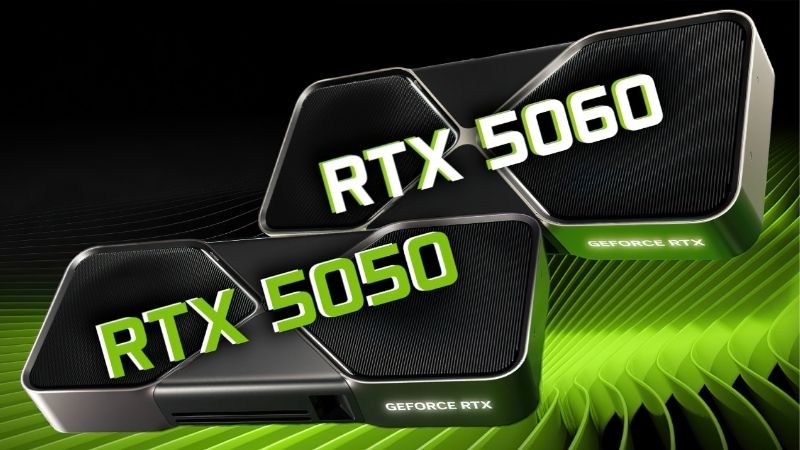
RTX 5060 Comparison: How It Stacks Up
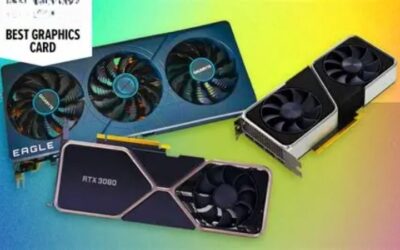
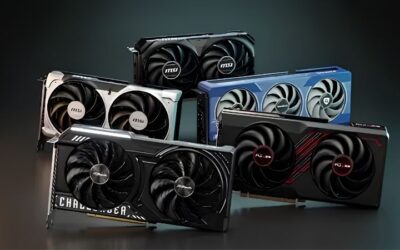
Before the verdict, you need to see the RTX 5060 measured against the cards buyers actually cross-shop. This section compares it to the RTX 5060 Ti, the RX 9060 XT, and last-generation options, so the rtx 5060 comparison picture is grounded in real trade-offs rather than spec-sheet impressions. Seeing the card next to its real rivals is far more useful than reading its numbers in isolation.
As an Amazon Associate we earn from qualifying purchases at no extra cost to you.




RTX 5060 vs RTX 5060 Ti
The most common comparison is against the RTX 5060 Ti, which carries more cores and higher bandwidth for roughly 15% to 20% more performance. The standard 5060 targets around $299 while the Ti sits higher, so the question is whether the extra speed justifies the extra cost. For most buyers, that answer depends on their monitor’s refresh rate and how long they intend to keep the card.
For strict 1080p gaming the 5060 is often enough, while the Ti makes more sense for high-refresh play or light 1440p. The 16GB version of the Ti also adds memory the standard 5060 lacks, which matters for longevity. That memory gap is often the deciding factor for anyone thinking beyond the next year of gaming.
Verdict here: the 5060 wins on price, the 5060 Ti wins on performance and, in its 16GB form, on future-proofing.
RTX 5060 vs RX 9060 XT
From AMD, the RX 9060 XT is the RTX 5060’s most direct rival, and in its 16GB form it offers more memory and strong raw performance for a little more money. The 5060 counters with better efficiency, DLSS 4, and stronger ray tracing. Those advantages are exactly where the 5060 recovers ground that raw specifications would otherwise cost it.
In pure rasterized gaming the Radeon often edges ahead, especially at 1440p where its larger buffer helps, while the NVIDIA card claws back frames with upscaling and ray tracing enabled. The choice comes down to features versus raw memory and value. Neither card is wrong; the winner simply depends on which of those you weight more heavily.
Verdict here: the 5060 for efficiency and DLSS 4, the RX 9060 XT 16GB for more VRAM and raw output at a modest premium. For buyers planning to game at 1440p, that extra memory can be worth the small step up in price.
RTX 5060 vs Last-Gen Cards
Against previous-generation cards, the RTX 5060’s biggest advantage is DLSS 4 with Multi Frame Generation, which older cards cannot match and which meaningfully extends its useful life. It also brings newer efficiency and GDDR7 memory. Those modern touches are part of why a new 5060 can be a safer long-term bet than an older bargain.
A used last-gen card can still offer more raw performance per dollar in some cases, but it misses the newest features and carries second-hand risk. For most buyers wanting a new card with current features, the 5060 is the safer modern choice. A warranty and current features often outweigh a slightly better raw price on a used card.
Verdict here: the 5060 wins on features and efficiency, while used last-gen cards compete only on raw price per frame. Once features and reliability enter the equation, that narrow advantage tends to shrink.
What the RTX 5060 Comparison Reveals
The head-to-head numbers only matter once you translate them into buying advice. This section explains what the rtx 5060 comparison means for VRAM, efficiency, and the practical build requirements, so you know exactly what you are getting for the money. That practical translation is what turns a comparison into an actual buying decision.
The 8GB VRAM Reality
The defining limitation across every RTX 5060 comparison is its 8GB memory buffer. At 1080p with sensible settings it is fine, but in newer AAA titles with high-resolution textures or at 1440p, 8GB fills up and forces the card to swap data, which creates stutter. That stutter shows up in the 1% lows even when the average frame rate still looks perfectly healthy.
This is why so many comparisons push buyers toward 16GB alternatives if they can stretch, since the extra memory ages far better. For a strict 1080p player who upgrades often, though, 8GB remains perfectly livable today. The key is knowing whether the games you play, at your resolution, stay within that budget.
VRAM read: the 8GB buffer is the card’s clearest weakness, and it is the single factor most likely to send buyers up a tier. If longevity matters to you at all, that single factor usually settles the decision.
Efficiency and DLSS 4 as Strengths
Where the RTX 5060 wins nearly every comparison is efficiency and features. At around 145W it is easy to power and cool, slotting into small cases and weak prebuilts without fuss, which is a genuine practical advantage. For a first-time builder or a prebuilt upgrader, that ease of installation carries real value.
DLSS 4 with Multi Frame Generation is its standout technology, multiplying frame output in supported titles and keeping the card relevant as games get heavier. That forward-looking feature set is a large part of its value. DLSS 4 keeps finding new uses through updates, so the card should keep gaining capability over time.
Strength read: efficiency and DLSS 4 are the 5060’s trump cards, and they carry real weight against rivals with more raw memory. In feature-heavy titles, that software edge can make the 5060 feel faster than its specs suggest.
Power, PSU, and Build Fit
Practically, the RTX 5060 is one of the easiest cards to install, comfortable on a 450W to 550W supply and friendly to compact builds. It uses a single 8-pin connector, so no new power standard is required.
That low-hassle nature makes it ideal for first-time builders and prebuilt upgraders who do not want to replace a power supply. It is the kind of card you can add to almost any system without a second thought. That drop-in simplicity is a quiet but real reason budget builders keep choosing it.
Compatibility read: the 5060 is a drop-in upgrade for most builds, which adds to its appeal for budget buyers. Not everyone wants to replace a power supply just to fit a new card, and the 5060 spares them that.
Pricing, Timing, and the Smart Buy
Any RTX 5060 comparison in 2026 is also a timing decision, because component prices have been volatile. This section covers the market so you can judge your buying window, a factor that shapes the rtx 5060 comparison value math as much as the raw specs do. A card bought at a fair price in a calm week is simply a better deal than the same card grabbed in a spike.
Why Budget GPU Prices Stay Elevated
Laptop and PC component prices have trended upward, and memory costs in particular have kept even budget cards from getting cheaper. That is why the small price gaps between the 5060 and its rivals deserve real thought rather than a reflexive grab for the cheapest option. The lowest sticker price is not always the lowest total cost once you factor in how soon you upgrade.
In a pricier market, paying once for enough memory can be cheaper than upgrading again sooner, which is why so many comparisons favor 16GB cards for buyers who can stretch. The efficient 5060 still makes sense for those firmly targeting 1080p. For that buyer, the efficient 5060 remains one of the easiest recommendations in the class.
Practical read: elevated pricing rewards buying the card that fits your resolution and lasts, so weigh longevity against the upfront saving. For many buyers, spending a little more once is cheaper than upgrading again in a pricier market.
The Supply Relief Coming in 2027-2028
There is genuine good news, but it is modest and it sits in the future. Prices have stopped climbing as steeply as they did at the end of 2025, and some hardware makers report a relatively stable stretch while still warning of continued swings.
New supply is opening up too, with OEMs able to source DDR5 from Chinese suppliers such as CXMT and Micron building two plants in Idaho. The catch is that those fabs do not ramp until roughly 2027 to 2028, so meaningful relief for buyers is still a couple of years away.
Timing read: prices have leveled rather than fallen, and real relief is years out, so waiting indefinitely for a crash is a weak strategy if you need a card now. Buying the right card at a fair price today is a decision you can make with confidence rather than hope.
Pros, Cons, and the Verdict
Here is the honest pros and cons summary that the rtx 5060 comparison supports, so you know exactly where the card lands.
RTX 5060 pros: lowest price in its class, excellent efficiency, DLSS 4 and strong ray tracing, and effortless small-case fit. Cons: only 8GB VRAM, weaker at 1440p, and a shorter comfortable lifespan than 16GB rivals. For a strict 1080p player who upgrades often, though, that shorter runway may not matter much.
The card makes the most sense for budget 1080p builds, while buyers who can stretch should compare it against the RTX 5060 Ti 16GB or RX 9060 XT 16GB for more longevity. Check the live price on all of them before deciding, since the current deal often decides the winner.
See More:
- RX 9060 XT vs RTX 4060
- NVIDIA Jetson price
- NVIDIA GeForce GTX 1650 driver
- Intel Iris Xe graphics driver
- 9060 XT 16GB vs 5060 8GB
Final Verdict on the RTX 5060 Comparison
The bottom line from this rtx 5060 comparison is that the card is an efficient, feature-rich budget champion for 1080p gaming, winning on price, power, and DLSS 4 while losing to 16GB rivals on memory and longevity. Buy it if you target 1080p, want the cheapest capable current-generation card, or need an easy low-power upgrade. Step up to a 16GB Ti or RX 9060 XT if 1440p or long-term use is your goal, and always judge each card by its live street price. With prices elevated but stabilizing, a well-matched purchase today is the smart move. Use the button below to check current live prices across these cards and lock in the best deal for your build.
Frequently Asked Questions
How does the RTX 5060 compare with the RTX 4060 it replaces?
The 5060 keeps the same 8GB capacity but moves to faster GDDR7 memory and adds Blackwell media engines, which lifts real performance roughly twenty percent at 1080p. The bigger differentiator is DLSS 4 multi frame generation, which the 4060 cannot use, so the perceived smoothness gap is larger than the raw benchmark gap.
Is the RX 9060 XT 16GB a better buy than the RTX 5060?
For pure rasterised gaming at 1440p the 16GB Radeon usually wins because it never runs out of memory. The RTX 5060 answers with better ray tracing performance, lower power draw, DLSS 4, and stronger encoder support for streaming. Choose the Radeon for texture headroom and the GeForce for features and efficiency.
Is the RTX 5060 enough for 1440p gaming?
It can drive 1440p in esports titles and older games easily, but modern AAA releases require DLSS quality mode plus reduced texture settings to stay above 60fps. The 128-bit bus and 8GB buffer are the limits, not the shader count, which is why the 5060 Ti 16GB is the better 1440p pick.
What power supply does the RTX 5060 need?
Board power sits at about 145 watts, and partner cards use a single 8-pin PCIe connector. NVIDIA recommends a 550 watt supply, and that is genuinely adequate for a mainstream six or eight core CPU. If you pair it with a high power CPU or plan to upgrade later, a quality 650 watt unit is sensible.
Does the RTX 5060 lose performance on older motherboards?
It can. The card uses a PCIe 5.0 x8 interface, so on a PCIe 3.0 board it effectively runs at x8 of an older standard. When the 8GB frame buffer overflows and textures stream across the bus, the frame time penalty is measurable. On PCIe 4.0 or 5.0 systems the impact is negligible.

Write Your Review
No reviews yet. Be the first to share your experience!