
560.94 nvidia driver searches spike for one reason: something just broke, and this was the last thing that changed. Black screen, a game crashing to desktop, frame rates that fell off a cliff overnight, or a display that will not wake. Before you spend an hour on a clean reinstall, it is worth knowing that a large share of the faults blamed on this driver are not caused by it — and that the fix for those is a five-minute check, not a rollback. This review covers what the driver is, what people actually report, how to tell whether the driver is genuinely at fault, and the clean rollback procedure if it is.
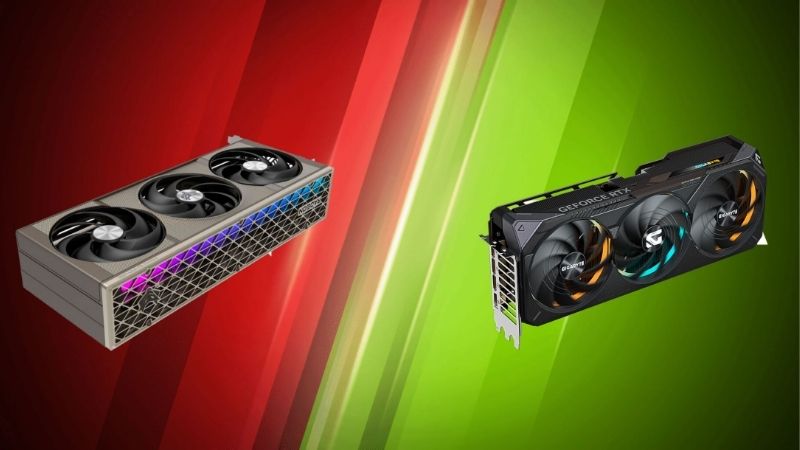
What the 560.94 Driver Is and Who It Affects
560.94 is a Game Ready release in Nvidia’s 560 branch, covering GeForce cards from the GTX 16 series through the RTX 40 series. Game Ready drivers ship on a fast cadence tied to game launches, which is the whole point of them and also the source of most of their problems: they prioritise day-one game support over the long soak testing a Studio driver receives.
Where This Driver Sits in the Branch
Branch numbering matters more than most people realise. A driver’s first two digits identify the branch; the digits after the decimal identify the revision within it. Early revisions in any new branch carry the most regressions because the underlying code has changed most.
The practical read: if you were previously on a mature revision of an older branch and you jumped a whole branch, you changed far more than the version number suggests. That is a common way to acquire a problem that has nothing to do with the specific release you are now searching for.
Which GPUs and Systems Are Most Affected
Reports cluster around a few configurations rather than spreading evenly. Laptops with hybrid graphics — an Nvidia GPU alongside Intel or AMD integrated graphics — generate a disproportionate share, because the display output is routed through the iGPU and both drivers have to cooperate.
Multi-monitor setups are the second cluster, particularly mixed refresh rates or a mix of DisplayPort and HDMI. Older GTX 10 and 16 series cards on newer branches are the third, since they receive less validation attention than current hardware.
If you are on a single-monitor desktop with an RTX 30 or 40 series card and you are having trouble, the driver is a less likely culprit than it feels. Check the section below before you reinstall anything.
The Symptoms People Actually Report
Community reports fall into four repeatable categories, and they are worth separating because they have different causes. First, display flicker or brief black flashes, usually on high-refresh or multi-monitor setups. Second, crash-to-desktop in specific games, typically DirectX 12 titles. Third, a general frame rate drop across everything. Fourth, the display failing to wake from sleep.
Only the first two are commonly driver-related. A uniform frame rate drop across every application is far more often a power or thermal issue that happened to become visible at the same time. Sleep and wake failures are more often a monitor firmware or cable problem than a driver one.
For the definitive list of acknowledged bugs in any specific release, Nvidia publishes a known-issues section in the release notes for that exact version. That document is authoritative in a way that forum threads are not, and it takes two minutes to read.
Diagnose It Before You Reinstall Anything
A clean driver reinstall takes 30 to 45 minutes and, in a substantial share of cases, fixes nothing because the driver was never the problem. Three checks first. Each takes a few minutes and each rules out a cause that a rollback cannot touch.
Is It Really the Driver? Three Checks First
Check one: did anything else change? A Windows feature update, a BIOS update, a new game, a new monitor, a new overclock profile. If the driver install coincided with any of those, you have two variables and no evidence.
Check two: install a monitoring overlay and watch GPU temperature, hotspot temperature, and power draw during a crash. A core temperature of 70°C with a hotspot of 100°C is degraded thermal interface material, not a driver bug — and it will follow you through every reinstall you attempt. On any card more than three years old this is a genuinely common finding, and a tube of quality thermal paste costs a fraction of the time you are about to spend.
Check three: reproduce it deliberately. Roll the clock back mentally — did this start the moment you installed the driver, or did you notice it two days later? Faults that appear days later are rarely caused by the software you installed before them.
Black Screens Are Usually Not a Driver Problem
This is the most misdiagnosed symptom in PC hardware. Black screens, signal dropouts, and wake failures on DisplayPort are very frequently cable faults, and the reason is specific: many bundled and cheap DisplayPort cables are not certified for the bandwidth that 1440p or 4K at high refresh actually requires.
The failure is intermittent by nature. The link trains successfully at boot, then drops when bandwidth demand rises — which is exactly when you launch a game, which is exactly why it looks like a driver fault. Swapping to a VESA-certified DP 1.4 or DP 2.1 cable resolves a surprising proportion of these.
Test it for free first: drop your refresh rate to 60 Hz and disable HDR. If the black screens stop, your cable cannot carry the bandwidth and no driver version will fix that. A properly certified cable is one of the cheapest components in a PC and worth having on hand before you spend an evening on DDU.
Random Reboots Point at Your Power Supply
If your machine hard-resets under load with no blue screen and no error — just an instant reboot — that is almost never a driver. Drivers produce crashes, error codes, and event log entries. Instant resets are a power event.
Modern GPUs draw transient spikes that can momentarily exceed twice their rated board power for microseconds. A power supply with inadequate headroom or poor transient response trips its overcurrent protection and cuts the rails instantly. The system reboots and Windows logs nothing useful, because it had no warning.
The tell is that it only happens under load and never at idle. If that matches your symptom, the driver is innocent. A quality 80+ Gold unit with roughly 150W of headroom above your total system draw is the fix, and it is worth pricing one before you spend more hours chasing software.
Pros, Cons and the Clean Rollback
If you have run the checks above and the driver still looks guilty, here is the honest assessment and the correct way to reverse it.
560.94: Pros and Cons
Pros: Game Ready optimisation for the titles it launched alongside, which can be worth real frames on day one. Broad hardware coverage from GTX 16 series through RTX 40 series. Includes the security fixes and DirectX and Vulkan updates accumulated in the branch. For the majority of single-monitor desktop users it installs and runs without incident — the loudest voices in any driver thread are, by definition, the people it broke.
Cons: Game Ready cadence means less soak testing than a Studio release. Reports cluster on hybrid-graphics laptops and multi-monitor setups. Older GTX 10 and 16 series cards receive less validation. GeForce Experience will reinstall it automatically after you roll back, which catches people out repeatedly. Branch-level changes can introduce regressions unrelated to the specific fixes the release notes mention.
The Clean Rollback with DDU
Do not simply install an older driver over the top — leftover files are the reason half of all rollbacks fail. Use Display Driver Uninstaller, and follow the sequence exactly.
Download the older driver you want first, while you still have working internet and graphics. Then download DDU. Disconnect from the internet — this is the step people skip, and skipping it lets Windows Update push a driver back at you mid-process. Boot into Safe Mode, run DDU, choose clean and restart. When Windows comes back on the basic display adapter, install your chosen driver, then reconnect.
Which version to roll back to: the last one that was working for you. If you do not remember, pick the newest release from the previous branch rather than the immediately preceding revision — you want a version with more soak time behind it, not one revision less.
How to Stop It Reinstalling Itself
This is the step that turns a successful rollback into a permanent one. Windows Update treats graphics drivers as optional hardware updates and will happily push a newer one at the first reboot, undoing your work while you are not watching.
Two things to do. Open GeForce Experience or the Nvidia App and disable automatic driver downloads. Then use Microsoft’s Show or Hide Updates troubleshooter to hide the specific driver update — this is the supported method and it survives reboots.
If you are on a Studio-eligible workflow, consider switching branches entirely. Studio drivers ship less often and receive longer validation. For anyone who is not chasing day-one performance in new releases, they are the more sensible default and they largely remove you from this cycle.
See More:
Conclusion: Should You Roll Back?
The honest verdict on the 560.94 nvidia driver is that it is a normal Game Ready release with a normal Game Ready risk profile — and that a large share of the faults attributed to it belong to something else. Run the three checks first. If your machine hard-resets under load with no error, your power supply is the suspect and no driver version will save you. If you get black screens or dropouts at high refresh, swap the DisplayPort cable before you touch anything else — drop to 60 Hz to test it for free, and if the problem vanishes, you have found it. If your hotspot temperature is above 95°C, the thermal paste is your problem and it will follow you through every reinstall.
If none of those apply and the fault genuinely tracks the driver install, roll back properly: download the older version first, disconnect from the internet, run DDU in Safe Mode, install clean, then disable automatic driver updates so it does not undo itself. Read the official release notes for the known-issues list rather than trusting forum consensus. And if the diagnosis lands on hardware rather than software, a certified DisplayPort cable, a fresh tube of thermal paste, or a power supply with proper transient headroom are the components that actually fix it — worth checking current pricing on whichever one your symptom points at, because reinstalling drivers all evening will not.
Frequently Asked Questions
Which GPUs does the 560.94 driver support?
It is a Game Ready release in the R560 branch, covering GeForce RTX 40, RTX 30, RTX 20 and GTX 16 series cards, along with older Maxwell and Pascal parts that were still supported when it shipped. Newer Blackwell RTX 50 cards require a much later branch and cannot use this driver at all.
What are the common problems reported with it?
Typical complaints include intermittent black screens or display signal loss on multi-monitor setups, raised DPC latency affecting audio, occasional stutter in a few titles, and issues after upgrading over an older installation. Many of these disappear with a clean installation, which suggests leftover files rather than the driver itself in several cases.
How do I roll back to a previous driver properly?
Download the older package first, disconnect from the internet so Windows Update cannot reinstall a driver, run Display Driver Uninstaller in Safe Mode with the clean and restart option, then install the older version choosing Custom and Perform a clean installation. Reconnect afterwards and set Windows Update to defer driver updates.
Should I use the Studio driver instead?
If your machine is used for content creation or you value stability over day-one game support, yes. Studio drivers are validated over a longer cycle and change less often, which reduces exposure to regressions. Gamers who want optimisations for new releases should stay on Game Ready and simply skip problematic versions.
Is it safe to skip driver updates entirely?
Skipping a few is fine, but do not skip indefinitely. Driver updates carry security fixes as well as performance improvements, and new game releases frequently need a current driver to run correctly or avoid crashes. A sensible approach is to update when a game you play receives a specific optimisation.
As an Amazon Associate we earn from qualifying purchases at no extra cost to you.




Write Your Review
No reviews yet. Be the first to share your experience!