
- Top Pick: GeForce NOW Cloud Gaming
- Best Value: OnePro Cloud Handheld Portable Remote Play Gaming Console, For Xbox Cloud Gaming, NVIDIA GeForce NOW, Playstation, PC, Long-Battery Life, 7" 1080P Touchscreen, Lightweight Retro Game Handheld – 64G
- Premium Choice: OKETY Mobile Gaming Controller for Android / iPhone 15/16 Series – Switch 2 / iPad Mini – Wireless Switch/OLED Controller with Hall Effect Joysticks/Hall Triggers, Call of Duty,Roblox,Steam Link, GeForce Now


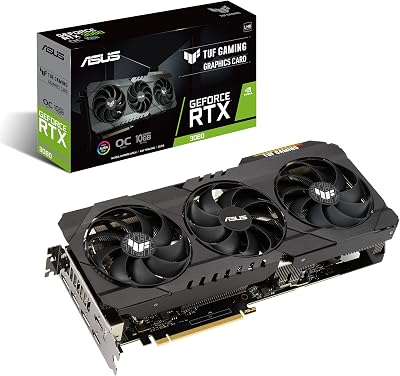
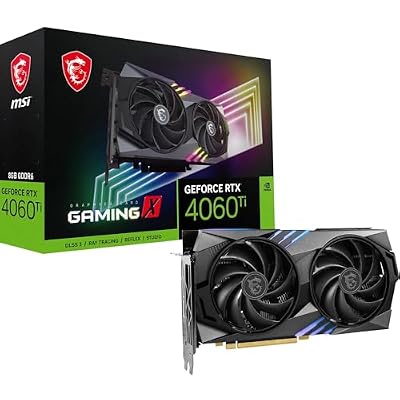
GeForce Now app promises high-end PC gaming without buying a high-end PC, streaming games from powerful cloud servers to almost any device you own. But can cloud gaming really replace a proper graphics card, and is it worth it in 2026? This review breaks down what the app offers, how it performs in the real world, its membership tiers and device support, and whether streaming or a local GPU is the smarter choice for your gaming and your budget.
As an Amazon Associate we earn from qualifying purchases at no extra cost to you.




What the GeForce Now App Offers
Before deciding whether it fits your gaming, it helps to understand exactly what the app does and how its structure works. GeForce Now is a different model from owning hardware, so knowing its basics sets realistic expectations about what you are signing up for.
At its heart, the service is simple to grasp: it rents you a powerful gaming PC by the hour, delivered over the internet. Once that idea clicks, everything else about the app, the tiers, the devices, the requirements, falls into place naturally.
Cloud Gaming Explained
GeForce Now runs your games on powerful NVIDIA servers in a data center and streams the video to your device in real time. Your device sends your inputs, and the server does all the heavy graphics work.
This means the demanding rendering happens on high-end hardware you do not own, letting a modest laptop or even a phone play games that would normally require a gaming PC. The app is essentially a window into a remote gaming rig.
Crucially, you generally play games you already own from stores you already use, rather than a separate library. The service provides the horsepower, not the games themselves.
This distinction matters when budgeting, because you are paying for performance rather than a game library. It also means the games you buy remain yours to play elsewhere if you ever stop subscribing, which softens the commitment.
Membership Tiers
GeForce Now offers multiple membership levels, typically including a free tier with limited session lengths and paid tiers that unlock longer sessions and more powerful server hardware. Higher tiers stream at higher resolutions and frame rates.
The premium tiers effectively rent you time on top-end GPUs, delivering performance comparable to a high-end gaming PC. Choosing a tier is about matching the streaming quality and session length to how seriously you game.
The free tier is a genuinely useful way to try the service before committing, letting you gauge how well it runs on your connection. If the experience is smooth, stepping up to a paid tier for longer sessions and better hardware is an easy decision.
Supported Devices
One of the app’s biggest strengths is how many devices it runs on. It works on Windows and Mac computers, Android and iOS devices, smart TVs, and more, turning almost any screen into a gaming machine.
This flexibility is a core appeal of cloud gaming. You can start a game on one device and continue on another, since the game and your progress live on the server rather than any single piece of hardware.
This device freedom is where cloud gaming feels almost futuristic. The same demanding game can run on a thin laptop at your desk and a phone on the go, because none of the heavy lifting depends on the screen in front of you.
Real-World Performance
Cloud gaming lives or dies on the quality of the experience, so how it actually feels to play matters more than any feature list. Performance depends heavily on your internet connection, and understanding that relationship is the key to knowing whether the service will work well for you.
This is the part that no feature list can promise, because it varies from home to home. Two people on the same membership can have very different experiences depending entirely on the speed and stability of their connections.
Latency and Internet Requirements
The single most important factor for cloud gaming is your internet connection. A fast, stable, low-latency connection is essential, since the video streams to you and your inputs travel back to the server.
A wired connection or strong Wi-Fi delivers the best experience, while an unstable connection causes lag and visual artifacts that ruin fast-paced games. Latency, the delay between your input and the on-screen result, is the make-or-break factor.
For competitive or twitch-reflex games, even small amounts of latency can be noticeable. For slower-paced or single-player games, cloud gaming often feels perfectly smooth on a good connection.
It is worth testing your own connection with the free tier before committing, since the same service can feel flawless in one home and frustrating in another. Your internet, more than anything the app controls, decides your experience.
Image Quality and Frame Rates
On premium tiers with a strong connection, image quality and frame rates can be genuinely impressive, rivaling a high-end local PC. Higher tiers unlock higher resolutions and smoother frame rates.
The trade-off is that streamed video is compressed, so it can show occasional artifacts that a local GPU would not, especially on a weaker connection. The gap narrows on fast, stable internet but rarely disappears entirely.
For most players on a solid connection, the compression is barely noticeable during normal play and only becomes apparent in the busiest, most detailed scenes. Whether that small compromise matters comes down to how discerning you are about image quality.
Pros and Cons of GeForce Now
The pros are compelling: no expensive hardware to buy, access to high-end performance from modest devices, play across many devices, and no worrying about drivers or upgrades. For the right user, it is a remarkably convenient way to game.
The cons are real too. It requires a fast, stable internet connection, adds some latency compared with local hardware, relies on an ongoing subscription rather than a one-time purchase, and streamed image quality can trail a good GPU. Whether these matter depends heavily on your connection and how you play, which is exactly the decision the next section tackles.
The balance tips heavily on two things: your internet and your budget. With fast, stable internet and a preference for low upfront cost, the pros dominate; with unreliable internet or a desire to own hardware outright, the cons weigh more.
Cloud Gaming vs Buying a GPU
The real question for many readers is whether GeForce Now can replace a graphics card altogether, and the honest answer is that it depends on your situation. Weighing the service against local hardware, with 2026 pricing in mind, is how you make the right call for your gaming and your wallet.
There is no universally correct answer, only the one that fits your circumstances. The same service that is perfect for a casual player with fast internet can be a poor fit for a competitive gamer on an unreliable connection.
When Cloud Makes Sense
Cloud gaming shines when you lack a powerful PC, game across multiple devices, or want high-end performance without a large upfront cost. If you have a fast connection and play mostly single-player or slower games, it can be an excellent fit.
It is also ideal for people who game occasionally and cannot justify the price of a gaming PC. A subscription costs far less upfront than a capable graphics card, making high-end gaming accessible without a big investment.
It also suits people who move between homes, travel often, or simply do not want to maintain a gaming PC. Removing the hardware from the equation removes the upgrades, the drivers, and the desk space along with it.
For students, renters, or anyone in a temporary living situation, that lack of physical hardware is a genuine advantage. There is nothing bulky to move, upgrade, or maintain, just a subscription that follows you to any screen.
When Local Hardware Wins
A local GPU wins when you want the lowest possible latency, the highest image quality, and freedom from internet dependence and subscriptions. Competitive gamers and those without reliable fast internet are better served by owning hardware.
Cost also factors in over time. GPU prices have stabilized after the steep climb of late 2025 but have paused rather than fallen, with real relief from new fabs not expected until roughly 2027 to 2028. Even so, a one-time GPU purchase can work out cheaper than years of subscription fees for heavy gamers, and it gives you an asset you own outright.
There is also something to be said for total control. A local GPU never depends on server availability, connection quality, or a subscription staying active, which for many players is worth a great deal on its own.
Over several years of heavy play, the math can also favor ownership, since subscription costs add up while a one-time purchase does not. For a dedicated gamer, buying often proves the more economical path in the long run.
Making the Choice in 2026
The decision comes down to how you game and what you have. If your internet is fast, you game casually or across devices, and you want to avoid firm GPU prices, GeForce Now is a smart, low-commitment option.
If you game seriously, value the best experience, or want to own your hardware, a local GPU is the better long-term choice, and this stable pricing window is a reasonable time to buy. When you decide local hardware is right, the recommended GeForce cards linked in this review are a strong starting point.
Some players even combine both approaches, owning a capable card for serious sessions and using cloud streaming on other devices or while traveling. It does not have to be a strictly either-or decision if your budget allows both.
That hybrid setup gives you the best of both worlds, but for most people a single clear choice, guided by their internet and their budget, is the simpler and more sensible path.
See More:
Final Verdict: Is the GeForce Now App Worth It?
The GeForce Now app is a genuinely impressive way to play demanding games on almost any device without buying a gaming PC, and for casual gamers, multi-device players, and anyone with fast internet and a limited budget, it is well worth trying. Its success hinges almost entirely on your internet connection, so a fast, stable link is essential.
That said, it cannot fully match a local GPU on latency, image quality, and freedom from subscriptions, so serious and competitive gamers may still prefer owning hardware. With GPU prices stable rather than falling, the choice is genuinely yours to weigh. If you decide local performance is the way to go, compare the recommended GeForce cards linked throughout this review to find the right fit.
Frequently Asked Questions
Can GeForce NOW really replace buying a GPU?
For many players, yes. The top tier streams from server hardware in the RTX 4080 to 5080 performance class, so you get ray tracing and DLSS on a laptop, phone or TV. The tradeoff is that you need consistent bandwidth, and you are renting access rather than owning hardware.
What internet connection do I need?
NVIDIA recommends about 15Mbps for 720p60, 25Mbps for 1080p60 and 45Mbps or more for 4K and high refresh streaming. Latency matters more than raw speed, so a wired Ethernet connection or a clean 5GHz or 6GHz WiFi link beats a fast but congested network every time.
Do I have to rebuy my games?
No. GeForce NOW streams titles you already own on Steam, Epic, Ubisoft Connect, Battle.net, GOG and Xbox PC Game Pass, as long as the publisher has opted in. That library restriction is the main catch, so check that the specific games you play are on the supported list first.
Are there playtime limits on paid tiers?
Paid memberships now include a monthly playtime allowance with unused hours rolling over, and you can buy additional hours if you exceed it. Free accounts face session length caps and queue times. Heavy daily players should compare the yearly cost against a mid-range GPU purchase.
How does input lag compare to local play?
On a good wired connection, total latency typically lands within 20 to 40 milliseconds of local play, which is fine for single player, racing and most third person action games. Competitive shooters where reaction time decides matches still feel better on a local GPU.

Write Your Review
No reviews yet. Be the first to share your experience!