
- Top Pick: ASUS Dual NVIDIA GeForce RTX 5060 Ti 16GB GDDR7 OC Edition Graphics Card, (PCIe 5.0, DLSS 4, HDMI 2.1b, DisplayPort 2.1b, 2.5-Slot, Axial-tech Fan, 0dB Technology), 3 Year Warranty
- Best Value: GIGABYTE GeForce RTX 5070 Gaming OC 12G Graphics Card, 12GB 192-bit GDDR7, PCIe 5.0, WINDFORCE Cooling System, GV-N5070GAMING OC-12GD Video Card
- Premium Choice: ASUS ROG Strix NVIDIA GeForce RTX 5070 Ti 16GB GDDR7 OC Edition Gaming Graphics Card, (PCIe 5.0, HDMI/DP 2.1, 3.2-Slot, MaxContact Design, Phase-Change GPU Thermal Pad), 3 Year Warranty
Competitive esports is won in milliseconds, and a high-refresh setup translates directly into smoother tracking and faster reactions. The good news is that titles like Valorant, CS2, and Overwatch are light enough that a mid-range Nvidia card can drive 240Hz or even 360Hz displays with room to spare.
We rounded up the best Nvidia GPUs for high-refresh esports in 2026, from efficient RTX 5060 Ti and 5070 cards to budget-friendly options, focusing on the cards that sustain sky-high frame rates and pair well with Nvidia Reflex for the lowest possible latency.
As an Amazon Associate we earn from qualifying purchases at no extra cost to you.


⚡ Save on Your Next PC — Amazon Prime
Prime members get fast free shipping on the systems above, plus early access to Prime Day & Black Friday PC deals. New members get a 30-day free trial.
Watch: The Best Nvidia GPUs for eSports Titles at High Refresh Rates — Video Review
How to Choose
- Prioritize frame rate over eye candy: Esports players want the highest, most consistent fps; a mid-range card at low settings beats a flagship at max settings for competitive play.
- Enable Nvidia Reflex: Reflex reduces system latency in supported esports titles; every card here supports it for a real competitive edge.
- Match the card to your monitor’s refresh: A 240Hz or 360Hz display needs a card that can consistently push those frame rates in your main game.
- Value consistency over peak numbers: Stable 1% low frame rates matter more than a high average for smooth aiming; favor cards with headroom.
- Do not overspend: Most esports titles do not need a flagship; a 5060 Ti or 5070 leaves budget for a faster monitor.
The Best Picks Reviewed
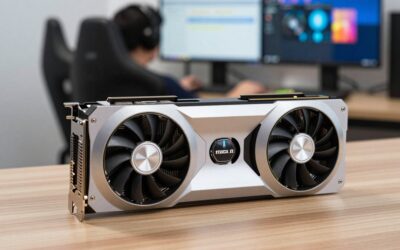
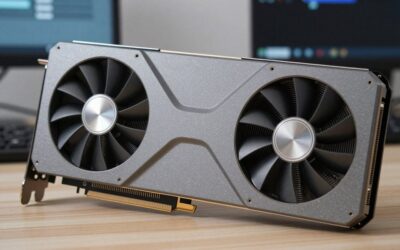
ASUS Dual NVIDIA GeForce RTX 5060 Ti 16GB GDDR7 OC Edition
The sweet-spot esports card, the RTX 5060 Ti drives high-refresh 1080p and 1440p with ease in competitive titles, and its 16GB buffer means it never stutters even as you keep every distraction turned off.
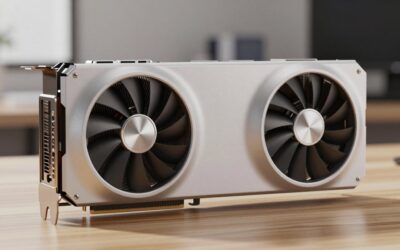
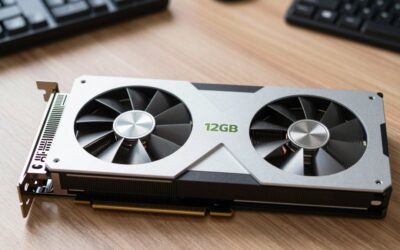
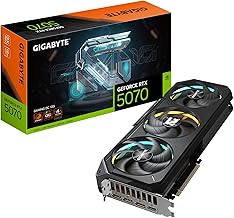
GIGABYTE GeForce RTX 5070 Gaming OC 12G
For players pushing 360Hz or dabbling in 1440p competitive play, the RTX 5070 offers extra headroom to keep frame rates pinned high with consistent 1% lows across long matches.
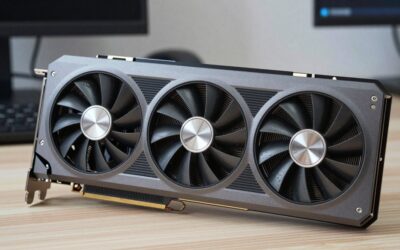
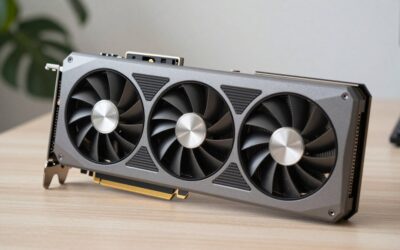
ASUS ROG Strix NVIDIA GeForce RTX 5070 Ti 16GB GDDR7 OC Edition
The ROG Strix 5070 Ti is overkill for pure esports, which is exactly why it never breaks a sweat, sustaining ultra-high frame rates while running cool and quiet through marathon sessions.
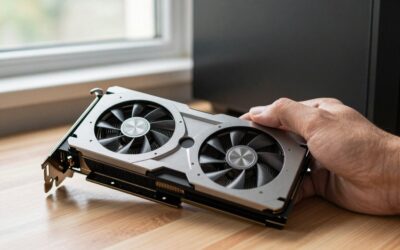
ASUS ROG Strix NVIDIA GeForce RTX 3060 OC Edition
A budget-friendly last-gen pick, the RTX 3060 still drives 144Hz and higher in most esports titles at competitive settings, making it a smart value for players on a tighter budget.
GIGABYTE GeForce RTX 5070 Ti Gaming OC 16G
This Gaming OC 5070 Ti balances a robust cooler with strong performance, delivering rock-steady high-refresh frame rates and enough power for players who also enjoy the occasional AAA title.
Frequently Asked Questions
What frame rate do I need for esports?
Match your monitor. For a 240Hz display aim for a card that sustains 240-plus fps in your main game; competitive players benefit from every frame up to their panel’s refresh rate.
Is Nvidia Reflex worth enabling?
Yes. Reflex measurably lowers system latency in supported esports titles, tightening the gap between your input and on-screen action for a genuine competitive edge.
Do I need a flagship GPU for esports?
No. Esports titles are lightly threaded and GPU-friendly, so a mid-range card like the RTX 5060 Ti drives high refresh rates without flagship spending.
Does VRAM matter for competitive play?
Less than for AAA gaming, but 12-16GB ensures you never stutter. The cards here all carry enough memory for smooth, consistent frame delivery.
Final Thoughts
For high-refresh esports, spend on frame-rate consistency and put the savings toward a faster monitor. The RTX 5060 Ti is the value champion, while the RTX 5070 and 5070 Ti give 360Hz chasers all the headroom they need.

Write Your Review
No reviews yet. Be the first to share your experience!