
- Top Pick: Alienware X16 R2 Gaming Laptop – 16-inch QHD+ 240Hz 3ms Display, Intel Core Ultra 9-185H, 32GB LPDDR5X RAM, 1TB SSD, NVIDIA GeForce RTX 4080 12GB GDDR6, Windows 11 Home, Onsite Service – Lunar Silver
- Best Value: Alienware M18 R2 Gaming Laptop – 18 QHD+ 165Hz 3ms Display, Intel Core i9-14900HX, 32GB DDR5 RAM, 1TB SSD, NVIDIA GeForce RTX 4080 12 GB GDDR6, Windows 11 Home, Onsite Service – Dark Metallic Moon
- Premium Choice: Lenovo Legion Pro 7i Gen 9 16" Gaming Laptop (2024 Model) Intel Core i9-14900HX 24C, NVIDIA GeForce RTX 4090 16GB, 32GB RAM, 2TB (1TB+1TB) NVMe SSD, 16.0" IPS QHD+ 500 nits 240Hz, Windows 11 Home


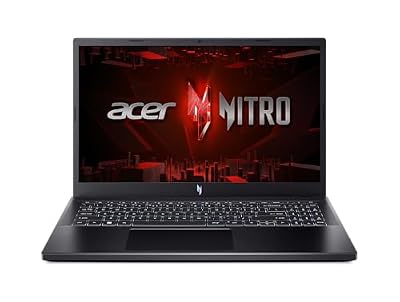

RTX 4090 laptop vs 4080 laptop pits Nvidia’s mobile Ada champion against its closest sibling, and the gap between them defines the entire high-end laptop market. The 4090 commands 9,728 CUDA cores and 16GB of GDDR6 on a 256-bit bus, while the 4080 brings 7,424 cores and 12GB on a 192-bit bus. This showdown approaches the matchup from the flagship’s perspective: does the 4090 deliver enough to justify sitting at the top, or does the 4080 quietly undercut it on value? Here is the full breakdown for 2026 buyers.

The Quick Verdict
For those who want the bottom line first, the contest resolves around how far you intend to push your laptop. Resolution ambitions and budget tolerance decide the winner.
As an Amazon Associate we earn from qualifying purchases at no extra cost to you.




Who Takes The Crown
The RTX 4090 laptop takes the crown for outright performance, claiming the largest VRAM pool and the widest memory bus in the mobile Ada lineup. The RTX 4080 laptop counters with cooler operation and a notably lower price while still delivering a flagship-tier 1440p experience.
If your goal is maximum frames at 4K and long-term headroom, the 4090 is the definitive pick. If you want flagship performance without the flagship tax, the 4080 is the value champion. Compare live configurations of both through the links on this page.
The Fast Recommendation
Choose the RTX 4090 laptop when nothing but the fastest mobile GPU will do, and the budget can absorb it. Choose the RTX 4080 laptop when you want the bulk of that power at a more reasonable price.
The recurring lesson in flagship matchups is that the top card’s price premium frequently outpaces its performance lead, which makes the analytical comparison below essential before you commit.
The Comparison Table And Specifications
A data-driven face-off starts with the raw figures, laid out below for clarity. Both flagships share the Ada Lovelace architecture and DLSS 3 Frame Generation, which means the experiential distance is smaller than the core counts suggest.
Specification Breakdown
| Specification | RTX 4090 Laptop | RTX 4080 Laptop |
|---|---|---|
| CUDA Cores | 9,728 | 7,424 |
| VRAM | 16GB GDDR6 | 12GB GDDR6 |
| Memory Bus | 256-bit | 192-bit |
| TGP Range | 80-150W | 60-150W |
| Architecture | Ada Lovelace | Ada Lovelace |
| DLSS | DLSS 3 (Frame Gen) | DLSS 3 (Frame Gen) |
The 4090 leads with about 31 percent more CUDA cores and a third more VRAM, backed by a wider 256-bit bus that aids 4K texture handling. These are substantial figures, yet performance scaling in real games rarely tracks core counts precisely.
What The Bus Width Really Means
The 4090’s 256-bit memory bus is a quiet but decisive edge, since bandwidth often constrains 4K performance more than core count. The 4080’s 192-bit bus serves 1440p well but becomes the bottleneck as resolution rises.
Both share a 150W TGP ceiling, so chassis cooling heavily influences the outcome. A 4090 squeezed into a slim laptop may underperform a 4080 in a thicker, better-ventilated machine.
Thermals And Power In Practice
Carrying more cores at the same wattage, the 4090 runs hotter and can throttle in thin designs. The 4080’s lighter thermal load often yields quieter and cooler behavior in an equivalent chassis.
This practical nuance is decisive: the 4090’s advantage assumes adequate cooling. Buyers should always confirm the specific laptop’s TGP rating and thermal solution before assuming the flagship wins.
The Deep Dive Face-Off
Stepping past the specifications, the two flagships separate across raw performance, VRAM longevity, and Nvidia’s AI toolkit. Each axis shows where the 4090’s premium pays off and where the 4080 holds firm.
Performance Scaling By Resolution
At 1440p, the two flagships frequently land within 15 to 20 percent of each other, because both have abundant headroom. The separation grows to 25 to 30 percent at native 4K, where the 4090’s cores and bandwidth come alive.
For high-refresh 1440p play, the 4080 already delivers an experience few will find wanting. The 4090’s lead becomes clearly visible only at 4K or in the heaviest ray-traced workloads.
VRAM Headroom And Longevity
The 4090’s 16GB buffer is its most compelling long-term asset, as modern titles increasingly request more than 12GB at maximum settings. The 4080’s 12GB suffices now but leaves a thinner margin for years ahead.
The experimental angle reinforces this: with DLSS 3 Frame Generation engaged, both cards lean on Nvidia’s AI frame pipeline, but the larger memory pool on the 4090 better absorbs the additional buffers at 4K, sustaining smoother output.
DLSS 3 And The AI Equalizer
Both flagships run DLSS 3 Frame Generation, the Ada-exclusive feature that synthesizes interpolated frames to raise smoothness in supported games. This shared capability compresses the practical gap, since each can multiply frame rates dramatically.
Because the 4090 begins from a higher base frame rate, frame generation compounds its lead, but the 4080 with DLSS 3 active still satisfies the overwhelming majority of players. The AI layer is a genuine equalizer for the lower-priced card.
The Alternative, Market Climate And Final Verdict
If neither flagship suits your needs or wallet, a step down may be wiser, and current conditions should guide your timing. This section covers the alternative, the pricing climate, and the final call.
A Worthwhile Alternative
When both flagships exceed your budget, the RTX 4080 laptop’s own predecessor logic points toward the RTX 4070 laptop, which handles 1440p capably with full DLSS 3 support at a much lower cost. It trades VRAM and cores for affordability without abandoning the Ada feature set.
The alternative is relevant because the flagship premium is considerable, and most gaming happens at 1440p where a 4070 already thrives. Saving at the GPU tier can fund a superior panel or extra memory.
How Supply News Affects Your Timing
The current climate favors buying with purpose. Premium laptop prices have kept climbing amid constrained memory supply, lifting both 4090 and 4080 machines. The positive note is that the sharp late-2025 increase has cooled, with some manufacturers reporting relative stability, even as they warn that volatility has not ended.
Real relief remains far off. Fresh DDR5 supply is emerging from makers like CXMT, and Micron is constructing two Idaho plants, but those facilities will not ramp until 2027 to 2028. Since prices have merely leveled off rather than declined, holding out through 2026 is unlikely to lower the cost of either flagship.
Final Verdict And Recommendation
Buy the RTX 4090 laptop if you target 4K gaming, tackle heavy creative tasks, or want the deepest VRAM reserve for the future. Buy the RTX 4080 laptop if you game at 1440p and prefer the smartest blend of speed, cooling, and cost.
Both are top-tier, and neither will let you down; the right answer rests on your resolution goals and budget flexibility. Ready to pick your flagship? Compare current RTX 4090 and 4080 laptop deals through the links on this page.
Frequently Asked Questions
The RTX 4090 laptop vs 4080 laptop comparison brings up these frequent questions, answered here.
Does the RTX 4090 laptop justify its higher price?
For 4K gamers and creators who need maximum frames and VRAM, the RTX 4090 laptop’s premium is justified.
For 1440p players, the price gap often exceeds the performance gap, which makes the 4080 the smarter spend.
How much VRAM do the two flagships have?
The RTX 4090 laptop carries 16GB of GDDR6 on a 256-bit bus, while the 4080 has 12GB on a 192-bit bus.
The 4090’s larger buffer and wider bus give it an edge at 4K and in memory-heavy creative workloads.
Will a thin RTX 4090 laptop beat a thick 4080 laptop?
Not always, because both top out at 150W and cooling design heavily influences sustained performance.
A well-cooled 4080 can rival a thermally constrained 4090, so always check the specific laptop’s TGP and thermals.
Do both flagships support DLSS 3 Frame Generation?
Yes, both the RTX 4090 and 4080 laptop run DLSS 3, including Frame Generation in supported titles. The shared feature set narrows the practical gap between them.
This means both can boost frame rates substantially, so the difference comes down to raw power and VRAM rather than features.
Which flagship is better for content creation?
The 4090’s larger 16GB buffer and extra cores make it the stronger choice for 4K editing and GPU rendering. The 4080’s 12GB still handles serious creative work well.
For memory-heavy professional pipelines, the 4090’s headroom is the safer long-term pick.
Matching The Flagship To Your Needs
The RTX 4090 laptop vs 4080 laptop choice clarifies once you weigh each card’s strengths and weaknesses. The 4090’s strengths are peak performance and 16GB of VRAM, while its weaknesses are high cost and heat; the 4080’s strengths are value and cooler operation, while its weakness is reduced 4K headroom. This section pairs each card with its ideal buyer.
Who Should Choose The 4090
The 4090 suits buyers who demand the fastest mobile Ada GPU, target 4K, or run heavy creative workloads. Its 16GB buffer and 256-bit bus deliver lasting 4K headroom.
For those who treat the budget as secondary to peak performance, the 4090 is the clear choice.
Who Should Choose The 4080
The 4080 fits 1440p gamers who want flagship-class performance at a friendlier price and cooler operation. Its 12GB buffer comfortably handles high-refresh 1440p.
For buyers who value balance over bragging rights, the 4080 captures the bulk of the experience for less.
Making The Final Choice
Decide by resolution and budget: the 4090 rewards 4K and future-proofing, while the 4080 rewards value at 1440p. Both run Ada Lovelace with DLSS 3.
Because cooling shapes real results, always check the specific laptop’s TGP, then let your resolution goals make the final call.
See More:
The Bottom Line
The RTX 4090 laptop vs 4080 laptop showdown resolves cleanly: the 4090 reigns as the 4K and future-proofing champion with more VRAM and bandwidth, while the 4080 delivers most of that flagship experience at 1440p for a friendlier price. Both run Ada Lovelace and DLSS 3, so the divide is real yet narrower than the numbers imply, and with prices plateaued rather than dropping, securing the flagship that matches your resolution now is the soundest decision in 2026.





Write Your Review
No reviews yet. Be the first to share your experience!