
- Top Pick: Evounic Gaming PC Desktop Computer RTX 4060, i7-11700F, 16GB DDR4 RAM
- Best Value: MXZ Gaming PC Computer R5 3600, RTX 4060, 16G DDR4, NVME 500G, A520,6RGB Fans,Win 11 Pro Ready to use, Gamer Desktop Computer(R5 3600| RTX 4060)
- Premium Choice: Gaming PC Desktop Liquid Cooled Ryzen 7 8700F RTX 4060 Ti 16GB DDR5 RAM
RTX 4060 laptop vs desktop debate comes down to one trade-off: raw performance versus portability. Both share the same name and 8GB of GDDR6, yet they behave very differently in practice because of power and cooling. This comparison breaks down the data, the real-world gaps, and the value math so you can decide which version actually deserves your money.
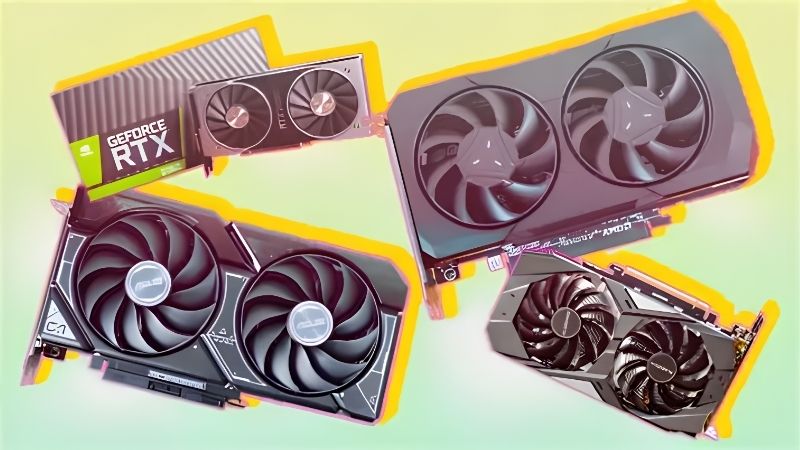
The Quick Verdict And Specs Comparison
For readers who want the answer immediately, this section delivers the verdict, the headline specifications, and the value breakdown before the deep analysis. The short version is that each wins decisively in its own lane.
As an Amazon Associate we earn from qualifying purchases at no extra cost to you.




The Quick Verdict For Busy Buyers
The desktop RTX 4060 wins outright on raw performance, sustained clocks, and upgradeability, typically delivering 20 to 30 percent more frames than the laptop version. The laptop RTX 4060 wins on portability and convenience, packing capable 1080p gaming into a machine you can carry anywhere.
If performance per dollar is your priority and you have a desk, choose the desktop. If mobility matters at all, the laptop is the obvious pick. Ready to act on your choice? Compare current configurations through the links on this page to lock in the right one.
Side-By-Side Specifications Table
The specs look similar on paper, but the power and clock differences explain the real-world gap. The table below summarizes the core figures that matter most.
| Spec | RTX 4060 Laptop | RTX 4060 Desktop |
|---|---|---|
| CUDA Cores | 3,072 | 3,072 |
| VRAM | 8GB GDDR6 | 8GB GDDR6 |
| Memory Bus | 128-bit | 128-bit |
| Power (TGP/TDP) | 35W-115W | 115W sustained |
| Best Resolution | 1080p | 1080p high / 1440p |
| Upgradeable | No | Yes |
Price And Value Breakdown
A desktop RTX 4060 card costs roughly $299 to $329, after which you build or upgrade around it. A complete RTX 4060 laptop typically runs $999 to $1,299, but that price includes a screen, keyboard, battery, and portability.
The value verdict depends on what you already own. If you have a desk and peripherals, the desktop stretches your budget further; if you need an all-in-one portable machine, the laptop’s premium buys real convenience.
The Deep Dive Face-Off
Beyond the headline numbers, the two versions diverge across performance, thermals, and practical use. Examining each dimension reveals exactly why the same GPU name produces such different experiences.
Performance And Benchmarks
The desktop RTX 4060 sustains its full 115W indefinitely with strong cooling, posting consistently higher and more stable frame rates. The laptop version, even at 115W, contends with tighter thermals and shorter power spikes, which trims peak output.
In practice, the desktop frequently leads by 20 to 30 percent at 1080p, and the gap widens at 1440p where sustained power matters more. Both, however, lean on the same DLSS 3 Frame Generation to lift demanding games.
Strengths, Weaknesses And Design Tradeoffs
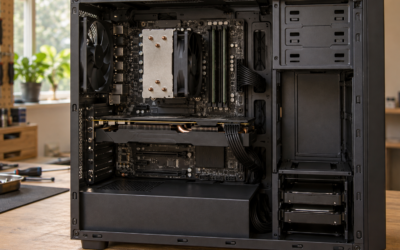
The desktop’s strengths are raw speed, better cooling, quiet operation, and the ability to upgrade the CPU, GPU, and storage later. Its weakness is immobility and the need for separate peripherals and a monitor.
The laptop’s strength is its complete, portable package and respectable efficiency. Its weaknesses are a fixed configuration, thermal limits that cap performance, and weaker value per frame. Choosing between them is really choosing which weakness you can live with.
Real-World Usage Scenarios
For a student in a dorm or someone who games in multiple locations, the laptop’s portability is decisive and the performance gap is acceptable. For a home gamer focused on maximizing frames and longevity, the desktop is the rational choice.
Hybrid users often land on the laptop for flexibility, accepting that they trade some performance for the freedom to game anywhere. Your routine, more than the benchmarks, should drive this decision.
The Alternative, Buying Climate And Final Verdict
If neither version fits perfectly, a third option may suit you better, and the current market should shape your timing. This section covers the alternative, the pricing climate, and the final recommendation.
The Alternative Worth Considering
If the laptop feels too pricey for its performance, a desktop RTX 4060 Ti offers more power for a modest premium and remains upgradeable. If portability is essential but budget is tight, a 4050 laptop saves money while keeping the same form factor.
These alternatives matter because the right answer is not always one of the two original options. Matching the hardware to your space and budget often points to a smarter third choice.
How Pricing And Supply News Shifts The Decision
The market nudges this decision toward acting sooner. Laptop and component prices have continued trending upward under a tight memory supply, which raises the cost of both desktop cards and complete laptops. The encouraging news is that the steep late-2025 climb has eased, with some makers reporting a stretch of relative stability, even as they warn volatility persists.
Real relief, though, is years away. New DDR5 capacity is opening up from suppliers like CXMT, and Micron is building two plants in Idaho, but those will not ramp until 2027 to 2028. Because prices have plateaued rather than dropped, waiting through 2026 is unlikely to make either an RTX 4060 laptop or desktop meaningfully cheaper.
Final Verdict And Recommendation
Buy the desktop if you have a fixed setup and want maximum performance, value, and upgrade potential. Buy the laptop if portability has any weight in your life and you are content with strong 1080p gaming on the go.
There is no universally wrong answer; there is only the version that fits your space and habits. Ready to decide? Compare current RTX 4060 laptop and desktop configurations through the links on this page and choose the one that matches how you actually play.
Top-Rated Picks


| Product | Brand | Rating | Reviews | Price |
|---|---|---|---|---|
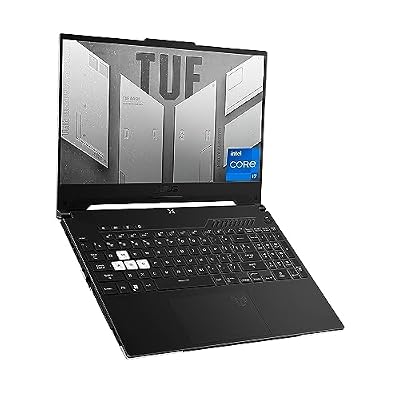
| ASUS TUF Dash 15 (2022) Gaming Laptop, 15.6" 144Hz FH… | — | ★ 4.5 | 1.5k | under $1,000 |
| ASUS ROG Strix G16 Gaming Laptop, 165Hz Display, NVID… | — | ★ 4.5 | 1.1k | under $1,700 |
| msi Raider 18" QHD+ 240Hz Gaming Laptop, Intel Core U… | — | ★ 4.5 | 1.1k | under $4,800 |
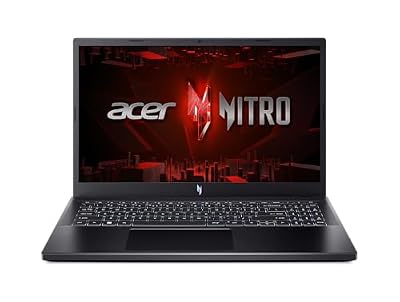
| Acer Nitro V Gaming Laptop | Intel Core i5-13420H Pro… | — | ★ 4.5 | 1.1k | under $800 |
| ASUS ROG Strix G16 (2025) Gaming Laptop, 16” FHD+ 16:… | — | ★ 4.5 | 477 | under $1,600 |
Frequently Asked Questions
The RTX 4060 laptop vs desktop choice raises a few recurring questions, answered directly here.
Is the desktop RTX 4060 faster than the laptop version?
Yes, the desktop RTX 4060 is faster, since it runs at higher power with more cores and a higher clock ceiling than the mobile chip.
The laptop version is power-limited by its chassis, which is the main reason for the performance gap.
Can the RTX 4060 laptop match desktop performance with DLSS?
DLSS 3 Frame Generation helps the laptop close much of the gap in supported titles by adding AI-generated frames.
It will not fully match a desktop in raw rasterization, but the experiential difference shrinks considerably with DLSS active.
Which offers better value, the RTX 4060 laptop or desktop?
A desktop generally delivers more performance per dollar and easier future upgrades, making it the value pick for stationary use.
The laptop wins on portability and an all-in-one package, so the better value depends entirely on whether you need to move your machine.
Does the desktop RTX 4060 run cooler than the laptop version?
Yes, the desktop RTX 4060 generally runs cooler, since a tower has far more room for airflow and larger heatsinks than a thin laptop chassis. This also allows higher sustained clocks.
Better cooling is part of why the desktop card can stretch its performance further than the mobile version.
Which One Fits Your Lifestyle
Beyond raw numbers, the right choice in the RTX 4060 laptop vs desktop debate depends on how and where you use your machine. This section matches each option to a buyer profile.
The Case For The Laptop
The laptop suits students, professionals, and gamers who value portability and a single all-in-one device. It carries no need for a separate monitor, keyboard, or tower, which simplifies setup.
For anyone who moves between locations or lacks dedicated desk space, the mobile 4060 with DLSS 3 delivers a capable gaming experience wherever you go.
The Case For The Desktop
The desktop appeals to stationary gamers who want more performance per dollar and easier upgrades down the line. Its higher power ceiling lets the same-named chip stretch its legs.
For a permanent gaming station where portability is irrelevant, the desktop is the stronger long-term investment in raw capability.
Making The Final Choice
Decide by weighing mobility against maximum performance and upgrade flexibility. If you need to game on the move, the laptop wins; if your setup stays put, the desktop offers more for the money.
Both run DLSS 3, so the feature set is shared, and your lifestyle rather than the silicon should make the final call.
Extra Considerations Before You Decide
Beyond raw performance, several practical factors shape the RTX 4060 laptop vs desktop decision. Weighing these helps you choose the option that truly fits your situation.
Total Cost Of Ownership
A desktop often delivers more frames per dollar up front and cheaper upgrades later, since you can swap the GPU or add storage easily. A laptop bundles everything but is harder to upgrade.
Factor in the cost of a monitor, keyboard, and mouse for a desktop, which narrows the apparent price gap for first-time buyers.
Space, Power And Practicality
A desktop needs a dedicated desk and a wall outlet, which suits a fixed setup but limits flexibility. A laptop runs on battery and tucks away, fitting smaller spaces and shared rooms.
For students in dorms or anyone without a permanent gaming space, the laptop’s practicality can outweigh the desktop’s raw advantage.
Upgrade Path And Longevity
A desktop’s upgradeability extends its useful life, letting you replace the GPU in a few years rather than the whole system. A laptop’s components are largely fixed at purchase.
If long-term flexibility matters, the desktop wins; if an all-in-one device that lasts as bought suits you, the laptop is the simpler choice.
See More:
The Bottom Line
The RTX 4060 laptop vs desktop comparison ends in a clean split: the desktop delivers more performance and value for stationary gamers, while the laptop trades some frames for genuine portability. Both rely on the same 8GB memory and DLSS 3 features, so the decision is about lifestyle rather than raw capability, and with prices flat rather than falling, the smart move in 2026 is to choose your form factor and buy with confidence.



Write Your Review
No reviews yet. Be the first to share your experience!