
Top Rtx 4070 Rtx 5060 Raw Picks for 2026
Here are our current top rtx 4070 rtx 5060 raw picks, compared on real Amazon owner reviews, price, and features. Live prices update below.

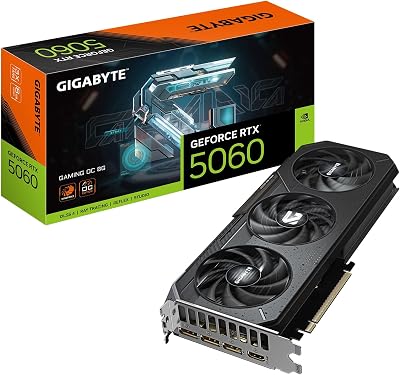

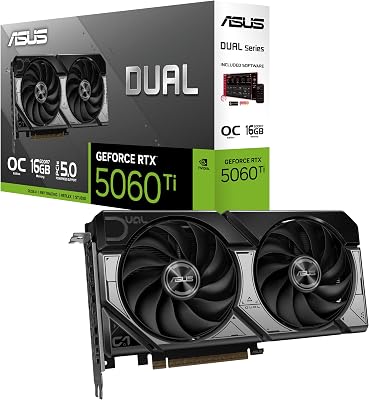

Save $22.00

Save $70.00
Lowest in 30 days
RTX 4070 vs RTX 5060 is a cross-generation matchup that budget and mid-range buyers keep returning to, because it pits raw performance against modern efficiency and price. The RTX 4070 is the stronger raw performer with more cores and 12GB of VRAM, while the RTX 5060 counters with DLSS 4, much lower power, and a far lower price. One is a proven 1440p card; the other is a fresh, efficient 1080p-to-1440p option. This comparison weighs specs, real performance, power, and value so you can pick the right GPU.
As an Amazon Associate we earn from qualifying purchases at no extra cost to you. Product prices and availability are accurate as of the date shown and are subject to change.


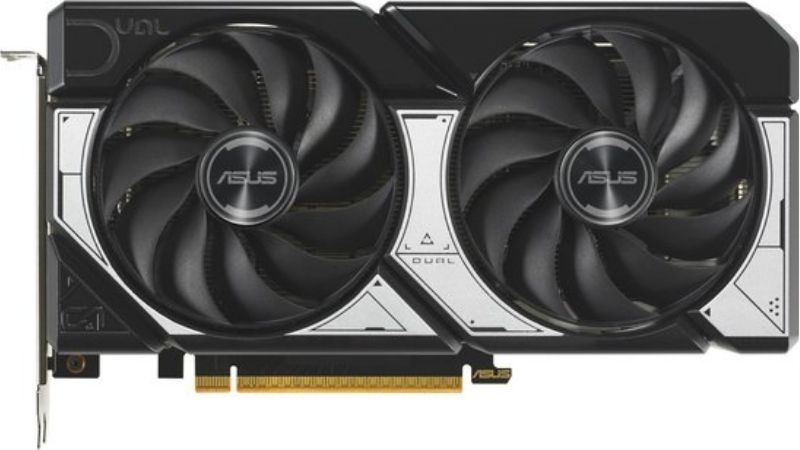
The Quick Verdict: RTX 4070 vs RTX 5060
Here is the fast answer: the RTX 4070 is clearly faster and better for 1440p gaming thanks to more cores and 12GB of VRAM, while the RTX 5060 wins on price, efficiency, and DLSS 4 Multi Frame Generation. If you want the most performance and longer legs, the 4070 is the pick; if you want the best value, lowest power, and newest features on a budget, the 5060 makes sense. Check live pricing for both, since the gap between them shifts week to week in 2026.
The 30-Second Answer
The 4070 is roughly 30 to 40% faster in native rasterization and carries 12GB of VRAM versus the 5060’s 8GB.
The 5060 answers with a much lower price, a 145W power draw versus the 4070’s 200W, and DLSS 4 Multi Frame Generation. For raw 1440p, the 4070 leads; for efficient, affordable 1080p gaming, the 5060 holds its own.
The 8GB versus 12GB VRAM difference is the quiet decider. It rarely matters at 1080p but increasingly does at 1440p with high textures, which is exactly where the 4070 pulls ahead.
This makes the matchup unusually resolution-dependent. A 1080p gamer and a 1440p gamer looking at the same two cards should reach different conclusions, because the 5060’s 8GB buffer is comfortable at the lower resolution but starts to strain at the higher one. Identifying your target resolution honestly is the single most useful thing you can do before choosing between them.
Spec Comparison Table
The numbers show two different design priorities:
| Spec | RTX 4070 | RTX 5060 |
|---|---|---|
| Architecture | Ada Lovelace (AD104) | Blackwell (GB206) |
| CUDA cores | 5,888 | 3,840 |
| VRAM | 12GB GDDR6X | 8GB GDDR7 |
| Memory bus | 192-bit | 128-bit |
| Bandwidth | 504 GB/s | 448 GB/s |
| Power (TGP) | 200W | 145W |
| DLSS 4 MFG | No | Yes |
| Launch MSRP | $599 | $299 |
Key Differences That Matter
The 4070 has more CUDA cores, a wider 192-bit bus, and 12GB of VRAM, which is why it outperforms the 5060 in native workloads and handles 1440p with more comfort. Its raw horsepower is the headline advantage.
The 5060’s strengths are different: it costs roughly half as much at MSRP, draws far less power, and adds DLSS 4 Multi Frame Generation the 4070 cannot run. Those practical and value-focused benefits define its appeal.
It is worth weighing these strengths against one another rather than treating raw performance as the only metric. A card that costs half as much, fits more systems, and runs far cooler delivers a different kind of value than one that simply posts higher benchmark numbers. Which set of advantages matters more depends entirely on your budget, your case, and the resolution you actually play at.
Deep Dive Face-Off: Performance, Design, and Power
Raw specs hint at the outcome, but lived experience depends on resolution, features, and how each card behaves in a real system. This section compares them by architecture and design, gaming and ray tracing, and efficiency, with an honest pros and cons list tied to the matchup.
Architecture and Design
The 5060 is built on the modern Blackwell GB206 die with 4th-gen RT cores, 5th-gen Tensor cores with FP4 support, and the latest NVENC encoder. It is a compact, efficient card that fits small cases and barely raises system temperature.
That compactness should not be underestimated for real-world builds. Many prebuilt and small-form-factor systems have limited space and modest power supplies, and the 5060 drops into them without drama. The larger, hungrier 4070 can require more planning around clearance and power delivery, which occasionally pushes budget upgraders toward the smaller card on practical grounds alone.
The 4070 uses the Ada AD104 die, a larger and more powerful chip with more cores and a wider memory bus. It is mature and well optimized, though it draws more power and is a bit larger than the petite 5060.
The design difference reflects their positioning. The 5060 is engineered for efficiency and affordability, while the 4070 is built for more performance, and that trade-off runs through every other comparison below.
That positioning also reflects how Nvidia has split its lineup this generation. The 5060 is the volume card aimed at the largest group of mainstream gamers, prioritizing price and efficiency, while the 4070 occupied a higher tier built for buyers willing to pay more for performance. They were never meant to be direct rivals, which is exactly why comparing them surfaces such a clear set of trade-offs.
Gaming Performance and Ray Tracing
At native 1440p, the 4070 leads clearly, delivering meaningfully higher frame rates and handling high textures with ease thanks to its 12GB buffer. For comfortable 1440p gaming, it is the stronger card.
At 1080p, the gap narrows and the 5060 is thoroughly capable, delivering smooth high-refresh gameplay in most titles. The 5060’s 8GB VRAM is sufficient at this resolution but can become a constraint at 1440p with maxed textures, where the 4070’s extra memory matters.
Ray tracing brings DLSS 4 into play. The 5060’s Multi Frame Generation can synthesize extra frames the 4070 cannot, lifting perceived smoothness in supported titles and partly offsetting its raw deficit. So your games and resolution decide the winner: raw 1440p favors the 4070, while modern DLSS 4 titles at 1080p flatter the 5060.
One nuance deserves emphasis: frame generation raises perceived smoothness but does not reduce input latency the way native frames do, and it works best when the base frame rate is already healthy. On the 5060 at 1080p that base is usually solid, so the feature genuinely helps; at 1440p, where the card is already working harder, its benefit is more situational and the 4070’s raw frames feel more dependable.
Power, Efficiency, and Pros and Cons
Efficiency favors the 5060. At 145W it pairs happily with a modest 550W power supply and runs cool and quiet, while the 4070’s 200W draw needs a bit more headroom and cooling, though it remains efficient by high-performance standards.
For buyers upgrading older systems, the 5060’s low power is a real advantage, often fitting existing power supplies without an upgrade. The 4070 delivers more frames but asks a little more of your system in return.
This efficiency gap has a practical cost dimension too. Over years of gaming, a 145W card draws meaningfully less from the wall than a 200W one, and it generates less heat for your cooling to handle. For buyers in warm climates or small rooms, or those reusing an older power supply, the 5060’s frugality can tip the decision even before price enters the conversation.
Weighing the RTX 4070 vs RTX 5060 decision on the cards themselves:
- 5060 pros: very low 145W power, DLSS 4 MFG, much lower price, runs cool and quiet, compact, new with warranty.
- 5060 cons: only 8GB VRAM, narrower bus, weaker raw 1440p performance.
- 4070 pros: stronger native performance, 12GB VRAM, wider bus, comfortable 1440p gaming.
- 4070 cons: higher price, more power, no DLSS 4 MFG, discontinued new in favor of the 4070 Super.
Price, the 2026 Market, and the Final Verdict
Value decides this matchup, and the 2026 GPU market is being squeezed by forces well beyond either card. Understanding those pressures is the key to timing your purchase well.
Current Pricing, the Memory Crunch, and the H200 Effect
The RTX 5060’s $299 MSRP has drifted toward $339 in 2026 as a severe GDDR7 and DRAM shortage raises component costs across the lineup. Nvidia has reportedly shifted production toward lower-memory cards to navigate the crunch, keeping budget availability tighter. The discontinued 4070, replaced by the 4070 Super, lives on the used market where firm demand keeps its price elevated.
The squeeze runs deeper than gaming GPUs. In January 2026 the US cleared Nvidia’s H200 AI chip for sale to China, where firms reportedly ordered over two million units. Nvidia prioritizes that hugely profitable AI demand, diverting wafers and high-bandwidth memory away from consumer cards. Add rising laptop and component prices generally, and the message is clear: GPU prices are trending up, not down. If a 5060 near MSRP or a fairly priced used 4070 appears, that is the window to buy rather than wait for relief the supply chain cannot deliver.
The Alternative If Neither Fits
If the 5060’s 8GB worries you but the 4070’s price feels steep, the RTX 5060 Ti 16GB is the natural middle path. It keeps Blackwell efficiency and DLSS 4 while doubling VRAM, which ages far better at 1440p.
Buyers wanting more raw power should also weigh a new RTX 5070, which adds GDDR7 bandwidth and stronger performance. Compare all three before locking in a decision.
Final Verdict: Who Should Buy Which
Buy the RTX 4070 if you game at 1440p, want the most raw performance and 12GB of VRAM, and can find one at a fair price. It is the stronger card for higher-resolution and longer-term gaming.
Buy the RTX 5060 if you mainly play at 1080p, value low power, DLSS 4, and a much lower price, and want a new card with a warranty. For budget-focused efficient gaming, it is the smarter pick.
If you are genuinely torn, let your monitor make the call. A 1080p display tilts the decision firmly toward the cheaper, cooler 5060, while a 1440p panel rewards the 4070’s extra cores and VRAM. Buying the card that matches the screen you actually own is almost always wiser than chasing benchmark numbers you will never actually see on a screen at your chosen resolution and refresh rate.
See more:
- What graphics card do I have?
- How to tell what graphics card I have
- 5070 Ti vs 4080
- 5060 vs 3080
- RTX 2060 graphics card
Recommended Products

AMD
AMD Ryzen 5 5600X 6-core, 12-thread unlocked desktop processor with Wraith Stealth cooler
View on Amazon
1 day ago

Corsair
CORSAIR CX650 80 Plus Bronze Non Modular Low-Noise ATX 650 Watt Power Supply – NA – Black
-25%
View on Amazon
1 day ago
As an Amazon Associate we earn from qualifying purchases. Product prices and availability are accurate as of the date/time indicated.
Conclusion
The RTX 4070 vs RTX 5060 decision comes down to raw power versus value and efficiency: the 4070 wins native 1440p performance with 12GB of VRAM, while the 5060 answers with DLSS 4, half the power draw, and a much lower price. Your resolution is the deciding factor, with the 4070 better for 1440p and the 5060 ideal for efficient 1080p gaming. With 2026’s memory shortage and AI demand keeping prices elevated, acting on a fair deal beats waiting. Compare the latest RTX 4070 and RTX 5060 listings on Amazon, check live pricing and stock, and pick the card that matches your resolution and budget. Whether you favor the 4070’s raw 1440p muscle or the 5060’s efficient, affordable value, buying for the screen and games you actually play is by far the surest path to a smart purchase you will be happy with for years to come.
Frequently Asked Questions
What is the best rtx 4070 rtx 5060 in 2026?
The best rtx 4070 rtx 5060 depends on your budget and how you plan to use it. The options compared above are our top-rated picks based on real customer ratings, build quality, and overall value — start with the highest-rated model that fits your budget.
How much should I expect to spend on a rtx 4070 rtx 5060?
Prices vary by brand and features. Budget options cover the essentials, while mid-range and premium models add durability, performance, and extra features. Compare the prices in the list above to find the best value for your needs.
What should I look for when buying a rtx 4070 rtx 5060?
Focus on what matters most for your use case — build quality, compatibility, performance, warranty, and verified customer reviews. Every pick above is selected to balance these factors.
Are budget rtx 4070 rtx 5060 options worth it?
Yes. For most people a well-reviewed budget or mid-range rtx 4070 rtx 5060 delivers excellent value. You only need to spend more if you specifically require premium materials or top-tier performance.
How did we choose these rtx 4070 rtx 5060 picks?
We compare current Amazon ratings, review counts, key features, and price to surface the options with the best real-world value. The list is refreshed as ratings and availability change.
Ready to decide? Our #1 pick for 2026 is the Architecture.
Live price & availability on Amazon.







Write Your Review
No reviews yet. Be the first to share your experience!