
Is Nvidia American — it’s a question that pops up for shoppers, students, and investors alike, and the answer is more interesting than a simple yes or no. Maybe you’re curious where your graphics card really comes from, or you’re trying to understand why U.S. policy keeps making headlines about Nvidia chips. Either way, this guide gives you the straight answer first, then the full story: where Nvidia is based, who designs its technology, and why its “American” identity matters more in 2026 than ever. By the end, you’ll understand the company well enough to make smarter buying decisions about its products.


Is Nvidia American? The Straight Answer and the Full Story
Yes — Nvidia is an American company, headquartered in the United States and incorporated under U.S. law. But like most modern tech giants, its identity is layered: American by origin and control, global by supply chain. Understanding both halves explains almost everything about how Nvidia operates today.
As an Amazon Associate we earn from qualifying purchases at no extra cost to you.


Where Nvidia Is Headquartered and Incorporated
Nvidia’s corporate home is Santa Clara, California, in the heart of Silicon Valley. It is a publicly traded U.S. company, listed on the Nasdaq, and governed by American corporate and securities regulations.
That legal status has real consequences. Because Nvidia is a U.S. company, it must follow U.S. export rules — which is exactly why decisions in Washington can determine whether it can sell certain chips to certain countries.
So when someone asks whether Nvidia is American, the headquarters and incorporation give the clearest yes. Its center of gravity — leadership, decision-making, and legal accountability — sits firmly in the United States.
This is different from a brand that merely markets itself as American while being controlled elsewhere. Nvidia’s shareholders, board, and executive team operate under U.S. jurisdiction, which is why the company’s biggest strategic moves are shaped by American law and regulators.
Who Founded Nvidia and Where the Chips Are Designed
Nvidia was founded in 1993 in California by Jensen Huang, Chris Malachowsky, and Curtis Priem. Jensen Huang, still the CEO decades later, has become one of the most recognizable figures in American technology.
The core intellectual property — the GPU architectures, the CUDA software platform, the AI frameworks — is designed by Nvidia’s own engineers, with major design and research work rooted in the U.S. This is where the “American” label is strongest: the ideas and blueprints originate inside the company.
For buyers, that design ownership is why Nvidia’s software ecosystem is so consistent across products, from a budget GeForce card to a Jetson developer board. The same engineering DNA runs through all of it.
It’s also why driver and feature updates tend to arrive across the whole lineup rather than being fragmented. Because one American design team owns the core architecture, improvements like new upscaling techniques often reach a wide range of cards instead of a single premium model.
American Company, Global Supply Chain: Why Both Are True
Here’s the nuance most quick answers miss: Nvidia designs its chips but does not manufacture them itself. The actual silicon is fabricated by contract manufacturers in Asia, and the finished cards are assembled by partners around the world.
This is the “fabless” model, and it’s standard across the industry. It means an American-designed Nvidia GPU can be physically made overseas and still be, in every corporate and legal sense, an American company’s product.
Understanding this removes the confusion. “Made in” a factory abroad and “an American company” are not contradictions — they describe two different links in the same global chain.
Why “Is Nvidia American” Matters More in 2026
The question isn’t just trivia anymore, because Nvidia’s American status directly shapes what products reach which markets. In 2026, a few policy developments have made this more relevant to ordinary buyers and investors than at any point before.
The H200 Export Approval to China Explained
A major 2026 headline is that the U.S. government approved Nvidia to sell the H200 — one of its most powerful AI chips — to China. Because Nvidia is American, these sales depend on U.S. export policy, which had previously restricted such advanced chips.
This matters beyond the boardroom. It shows in concrete terms how Nvidia’s national identity governs its business: an American company needs American approval to access certain foreign markets.
For anyone following the company, the approval is a reminder that geopolitics and product availability are now tightly linked. What Nvidia can sell, and to whom, is partly a policy decision.
It also illustrates the flip side of being an American company: the same rules that can restrict Nvidia can also unlock huge markets when they loosen. The H200 approval reopened access to a market Nvidia had been largely shut out of, which is exactly why the news moved headlines far beyond the tech press.
The wider lesson for buyers is that “is Nvidia American” isn’t an abstract question. It’s the reason a single government decision can change which chips exist in which countries — and, indirectly, how global chip supply is allocated.
How US Policy Shapes What You Can Buy
Export controls mainly target high-end AI accelerators, not the consumer GeForce cards most people buy for gaming. So for everyday shoppers, these rules rarely block the products on your wishlist.
Still, policy can ripple into pricing and supply in indirect ways, since the same manufacturing capacity serves both consumer and data-center demand. When AI chips are in high demand, it can influence how much attention and supply flow to consumer cards.
The practical point: knowing that Nvidia is American — and therefore bound by U.S. rules — helps you understand why availability and headlines sometimes move together, even for gaming hardware.
For a shopper, the takeaway is reassuring rather than alarming. If you want a GeForce card for gaming or a Shield for streaming, export policy almost never stands in your way. The rules that make the news are aimed at data-center accelerators, so your everyday buying decisions stay firmly in your own hands.
Pros and Cons of Nvidia’s American-Global Model
Nvidia’s structure as an American company with a global supply chain brings clear advantages and a few genuine trade-offs worth understanding before you buy.
| Pros of the American-Global Model | Cons and Trade-offs |
|---|---|
| World-class U.S. design and software (CUDA, DLSS) | Manufacturing depends on overseas fabs |
| Strong legal accountability and transparency | Exposed to U.S.-China policy swings |
| Consistent ecosystem across all products | Supply can tighten when AI demand surges |
| Global partner network for wide availability | Export rules can limit some product lines |
On balance, the model is a strength for consumers: you get American-designed technology backed by a global network that keeps products widely available. The trade-offs mostly affect cutting-edge data-center chips, not the cards in your PC.
Bringing Nvidia’s American-Designed Tech Into Your Setup
Now that you know Nvidia is American in design and control, the fun part is experiencing that technology yourself. From gaming to streaming to AI tinkering, the ecosystem is easy to step into at almost any budget.
GeForce GPUs: The Consumer Face of Nvidia
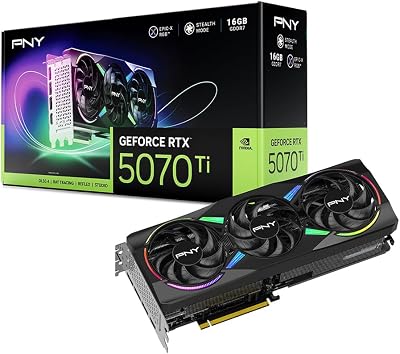
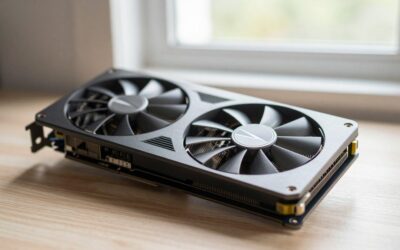
GeForce RTX graphics cards are how most people meet Nvidia. They power gaming, creative work, and increasingly local AI tasks, all backed by the same American-designed architecture found in the company’s flagship products.
Features like DLSS upscaling and ray tracing are proprietary Nvidia technologies, and they’re a big reason buyers stay loyal across upgrades. When you pick a GeForce card, you’re buying into that software advantage, not just raw hardware.
If you’re building or upgrading a PC, a current-generation GeForce card is the most direct way to experience what makes Nvidia’s engineering stand out — and you can compare current models through the links on this page.
Nvidia Shield and Jetson for Home and Makers
Beyond graphics cards, Nvidia Shield brings the ecosystem to the living room as a powerful streaming and gaming device, prized for its 4K playback and smooth interface. It’s a favorite for anyone who wants a premium media hub.
For hobbyists and students, the Jetson developer kits open the door to hands-on AI and robotics projects using the same core technology that powers professional systems. They’re a genuinely fun way to learn.
Both product lines showcase how Nvidia’s American-designed platform scales from a tiny maker board to a home theater centerpiece — and both are easy to explore through the recommended links here.
See More:
- AMD graphics driver download
- Nvidia 1080 Ti drivers
- Radeon graphics driver update
- Nvidia RTX 3060 drivers
How to Choose the Right Nvidia Product for You
Start with your goal. If you game or create, a GeForce GPU is the obvious pick; if you want a media and streaming box, Shield fits; if you’re learning AI or robotics, a Jetson kit is ideal.
Next, match the product to your budget and existing hardware — check power requirements and physical fit for GPUs, and screen compatibility for Shield. A little planning prevents the classic mistake of buying a card that won’t fit your case or power supply.
Once you know your use case, the choice usually becomes obvious. The recommended products linked on this page are organized to help you match the right Nvidia device to the right need without overspending.
| Your Goal | Best Nvidia Product | Why It Fits |
|---|---|---|
| Gaming and creative work on a PC | GeForce RTX GPU | DLSS and ray tracing deliver the biggest visual and performance edge |
| 4K streaming and a media hub | Nvidia Shield | Smooth interface, strong upscaling, and a living-room-friendly design |
| Learning AI or robotics | Jetson developer kit | Hands-on access to the same core platform used in professional systems |
Whichever route you pick, you’re tapping into technology designed by an American company with a global reach — which is a large part of why Nvidia’s ecosystem stays so consistent from one device to the next.
So, is Nvidia American? Yes — it’s a U.S. company by headquarters, incorporation, and design, even as its chips are manufactured through a global supply chain. That dual identity explains everything from the H200 China export headlines to why availability sometimes shifts for consumer cards. Now that you understand the company behind the brand, you can shop with confidence. Explore the recommended GeForce cards, Shield devices, and Jetson kits through the links on this page to bring Nvidia’s American-designed technology into your own setup.
Frequently Asked Questions
Where is NVIDIA headquartered?
In Santa Clara, California, on San Tomas Expressway in the heart of Silicon Valley. The campus is best known for two purpose-built structures, the triangular Endeavor building opened in 2017 and the larger Voyager building completed in 2022, both designed around open floor plates and skylights. That address appears on every SEC filing the company submits.
Is NVIDIA owned by a Chinese or Taiwanese parent company?
No. NVIDIA has no parent company. It is an independent, publicly traded corporation whose shares are held largely by American institutional investors such as Vanguard and BlackRock, alongside index funds, retail shareholders and company insiders. The confusion usually stems from the fact that its chips are fabricated by TSMC, a separate Taiwanese company that manufactures for many clients.
When did NVIDIA become a US public company?
NVIDIA held its initial public offering on the Nasdaq in January 1999, six years after being founded in 1993. Since then it has been governed by US securities law, files quarterly and annual reports with the SEC, holds annual shareholder meetings, and reports on a fiscal year that ends in late January rather than matching the calendar year.
Does NVIDIA manufacture anything in the United States?
Historically it manufactured nothing itself, being a fabless designer. More recently the company has said Blackwell wafer production and AI supercomputer assembly are being brought onto US soil through partners including TSMC’s Arizona fabs and packaging and system builders in Texas. Design, software and research work has always been concentrated in California and other US sites.
Why does NVIDIA’s nationality matter commercially?
Because it determines which laws bind the company. US incorporation means American export controls apply to its most advanced accelerators, US antitrust and securities regulators have jurisdiction, and it pays US corporate tax on its worldwide structure. Those constraints have shaped which products can ship to which countries and have appeared as explicit risk factors in its filings.
Ready to decide? Our #1 pick for 2026 is the Pros of the American-Global Model.
Live price & availability on Amazon.



Write Your Review
No reviews yet. Be the first to share your experience!