
GPU deals are harder to judge in 2026 than they used to be, because a market of high prices and firm demand makes it easy to mistake a small discount for a genuine bargain. A real deal is not just a card with money knocked off; it is the right card at a price that beats its true market value. This guide shows you how to spot genuine value, explains why prices stay stubbornly high right now, weighs buying today against waiting, and points you to the smartest picks at every budget so you never overpay for hype.
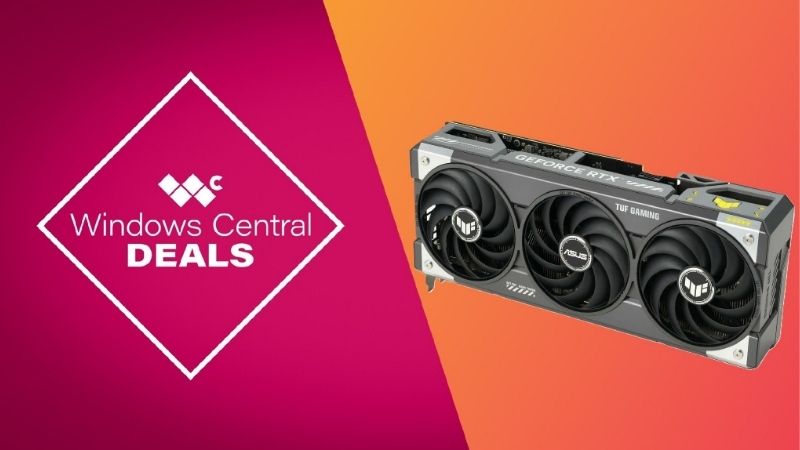
How to Spot Genuine GPU Deals in 2026
Recognizing a real deal starts with knowing what a card is actually worth, because a discount only means something against a fair baseline. In a market where prices have crept up across the board, the headline saving matters far less than the price per unit of performance, and learning to read that is what separates a smart buyer from an impulsive one. The fundamentals below apply whatever your budget, and none of this requires expert knowledge, only a little patience and a habit of checking real selling prices before trusting a headline discount. Build that habit and you will spot the genuine deals that others miss while avoiding the manufactured ones designed to rush you.
As an Amazon Associate we earn from qualifying purchases at no extra cost to you.



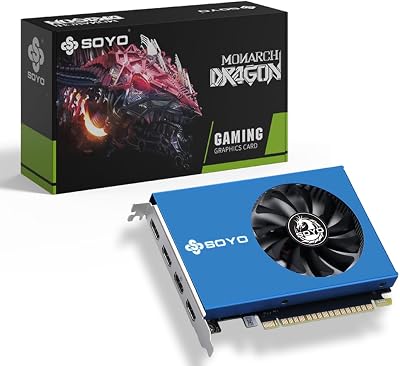


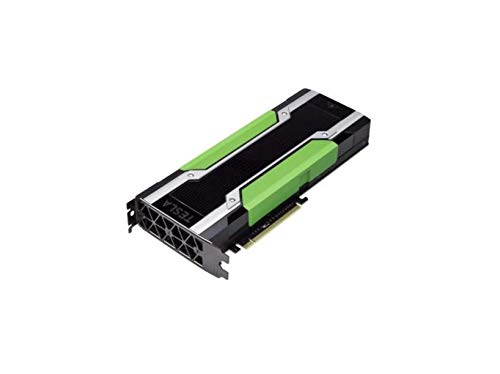

What Counts as a Real Deal Now
A genuine deal is a card priced clearly below its typical going rate for the performance it delivers, not simply one with a strikethrough price next to it. Retailers inflate reference prices and knock them down to manufacture urgency, so the strikethrough is often meaningless.
The reliable measure is cost per frame: how much you pay for the performance you get at your target resolution. A cheaper card that delivers more frames for your money is a better deal than a pricier one with a bigger advertised discount.
Before buying anything, check what the same card has actually sold for recently across several sellers. That real-world baseline, not the retailer’s number, tells you whether a price is a bargain or just theatre.
New, Used and Refurbished Options
New cards carry full warranties and peace of mind but rarely see steep discounts in the current market. They are the safe choice when a fair new price appears, especially for buyers who value the warranty over squeezing out the last saving.
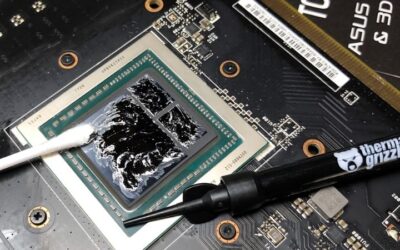
Used and refurbished cards are where the biggest savings live, but they demand care. Condition, remaining warranty and how the card was used all matter, and a card that spent its life under constant heavy load is a different proposition from a lightly used one, so buy from reputable sellers with clear return options.
A middle path many buyers overlook is manufacturer-refurbished or retailer-certified stock, which pairs a used-level price with a limited warranty and a tested guarantee of function. For anyone nervous about a private used sale but unwilling to pay full new prices, this is often the best balance of saving and safety in the whole market.
Where the Best GPU Deals Appear
The best prices tend to surface during major sales events, on open-box and refurbished listings from reputable retailers, and on last-generation cards when a new range launches. Timing your purchase around these moments is one of the simplest ways to pay less.
It pays to watch several sources at once rather than fixating on one, since availability and price move constantly. Setting alerts on the specific models you want turns deal-hunting from luck into a repeatable process, and it means you are ready to act the moment a genuine price appears.
It also helps to know the rhythm of the year. Major seasonal sales, the launch window of a new generation, and clearance periods for outgoing stock are the moments when genuine discounts cluster, so lining your purchase up with one of those windows, rather than buying on impulse, is one of the simplest ways to pay less.
The 2026 Market: Why Deals Are Scarcer
Understanding why GPU deals are thinner on the ground in 2026 is essential to buying well, because it tells you whether patience will be rewarded or wasted. Two forces in particular keep prices firm and discounts rare, and knowing how they work helps you judge whether to pounce on a fair price or hold out for something better. As it happens, both point the same way.
How Memory Prices and AI Demand Affect Deals
Component costs sit at the heart of the problem. Prices on laptops and PC parts have trended upward, with memory a particular pressure point, and because graphics cards carry fast, high-capacity memory, they feel that increase directly, which keeps a firm floor under prices.
AI demand compounds it. Appetite for high-end Nvidia silicon remains strong across the whole market, and policy signals such as the United States clearing Nvidia to sell its H200, one of its most powerful AI chips, into China show that demand for top-tier compute is not fading. When premium silicon stays in demand, deep consumer discounts become rare.
The practical effect is that genuine deals are scarcer and shallower than in cheaper years, so recognizing a fair price quickly matters more than holding out for a dramatic markdown that the market is unlikely to offer.
Will Prices Drop, and Should You Wait
There is cautious good news, but it is weak and lies in the future. Prices have stopped climbing as steeply as they did in late 2025, and some hardware makers report a stretch of relative stability, though they warn volatility is not over.
New supply is opening up too, with manufacturers able to source memory from suppliers such as CXMT and Micron building two new plants in Idaho. The catch is timing: those plants only come online around 2027 to 2028, so meaningful relief is years away rather than months, which argues against waiting for a big crash.
Framed simply, the supply that could lower prices is real but slow, and the demand keeping them high is immediate. That imbalance is why firm pricing is likely to persist through the near term, and it is the core reason a fair deal today is worth more than a hypothetical better one that the timeline pushes years into the future.
GPU Deals Pros and Cons: Buy Now or Wait
Here is the honest balance between grabbing a fair price today and holding out for something better.
| Buying a fair deal now | Waiting for a better price |
|---|---|
| You get months of use out of the card | You might catch a sale event discount |
| Prices are unlikely to fall sharply soon | Real supply relief is years away |
| Locks in today’s value before any rise | Risk of paying the same or more later |
| Certainty over a card you can use | Uncertainty and continued waiting |
The balance favours buying when a genuinely fair price appears, since the market timeline offers little reason to expect a dramatic drop in the near term.
Finding the Right Deal for Your Budget
A good deal is only good if it is the right card for you, so the final step is matching value to your actual needs and resolution rather than chasing the biggest advertised saving. Sorting the market by budget makes it easier to see where the smart money goes at each tier and to avoid overspending on power you will never use.
Best Budget-Tier Deals to Watch
At the budget end, the best value usually comes from last-generation mid-range cards and well-priced current entry cards, which deliver strong 1080p performance for the money. These are the sweet spot for most buyers who game at 1080p and want the lowest sensible spend.
Watch for open-box and refurbished versions of these cards from reputable sellers, where a small discount on an already good-value card produces the best cost per frame in the whole market. Confirming enough memory for modern games is the one check worth making here.
The trap to avoid at this tier is an older card with too little memory, which can look like a bargain on price alone while struggling in modern titles that demand more. A slightly newer card with a larger memory buffer is often the smarter deal even at a marginally higher price, because it stays usable for longer.
Best Value and High-End Deals
In the mid and upper tiers, the best deals appear on last-generation flagships and strong current cards when a new range launches and pushes older stock down. For 1440p and entry 4K gamers, these often deliver the biggest jump in real performance per dollar.
At the high end, genuine discounts are rarer because AI demand keeps premium cards expensive, so a fair price rather than a steep cut is the realistic target. For buyers here, patience for a fair figure beats waiting for a bargain that the market rarely produces.
One reliable pattern at these tiers is the generational handoff: when a new range arrives, the previous flagship often drops to genuinely attractive money while still delivering excellent performance. For a value-focused buyer, that outgoing top card can be the single best deal available, offering near-current speed without the current-card premium.
See More:
Buying Tips and Compatibility
Whatever the deal, confirm the basics before you commit: your power supply provides the wattage and connectors the card needs, it fits your case, and your processor will not bottleneck it at your resolution. A cheap card that does not fit your system is no deal at all.
Once you know what you need and what a fair price looks like, you can compare current GPU deals across budgets through the links on this page and move quickly when a genuine one appears, rather than waiting on a market that shows little sign of softening.
It is worth double-checking the physical fit as well as the power, since some high-value cards are physically long and will not clear a compact case. A quick measurement now prevents the disappointment of a great-priced card that cannot actually go into your build, which turns a good deal into a returned parcel.
To sum up, finding real GPU deals in 2026 is less about chasing the biggest advertised discount and more about knowing a card’s true value and recognizing a fair price when it appears. With memory costs and AI demand keeping prices firm and real relief years away, the smart move is to measure cost per frame, watch reputable sellers and sale events, and act decisively on a genuine deal rather than waiting for a crash that the market is unlikely to deliver any time soon.
Frequently Asked Questions
How do I judge whether a GPU deal is genuinely good?
Work in cost per frame at your target resolution rather than percentage off a list price. Look up reliable review data for average frame rates at 1080p or 1440p, divide the price by that figure, and compare across candidates. A card discounted 20 percent from an inflated price can still be worse value than a full price alternative.
Is a card with more VRAM always the better deal?
Not always, but capacity is the specification that ages worst. An 8GB card at a small discount may already struggle with modern texture packs and ray tracing, while a 16GB card at a slightly higher price stays comfortable for years. Weigh capacity heavily at 1440p and above, less so for pure 1080p esports use.
What are the biggest traps when buying used?
No warranty, unknown load history, degraded thermal pads on memory modules and outright counterfeit listings with modified BIOS reporting. Insist on photos of the actual card, test it immediately with a stress run while watching memory junction temperatures, and buy through platforms with genuine buyer protection rather than direct bank transfer.
Do warranties transfer to a second owner?
It varies by manufacturer. Some board partners honour the remaining warranty based on serial number and purchase date, others require the original proof of purchase and registered owner. EVGA style transferable warranties were the exception rather than the rule. Check the specific brand’s policy before assuming the remaining coverage has any value.
When are the best times to buy?
Prices typically soften a few months after a generation launches and again when the successor is announced, since retailers clear stock. Seasonal sales events can help but are often padded with inflated reference prices. Track a specific model for several weeks before buying so you recognise a real drop rather than a marketing number.
Ready to decide? Our #1 pick for 2026 is the Buying a fair deal now.
Live price & availability on Amazon.





Write Your Review
No reviews yet. Be the first to share your experience!