
- Top Pick: FoxFarm Raised Bed Planting Mix, 1.5cu ft – All-Purpose Garden Soil with Earthworm Castings & Oyster Shell – Ready-to-Use Blend for Vegetables, Flowers, Fruits & Herbs
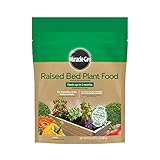
- Best Value: Miracle-Gro Raised Bed Plant Food, 2 lbs. | For Vegetables, Fruits, Flowers & Herbs
- Premium Choice: Michigan Peat BACCTO Raised Bed Soil with Organic Matter, 1.5 Cu Ft | Compost, Manure & Earthworm Castings for Vegetables, Flowers, Herbs, Shrubs, Mixed Plantings & Enriching Landscape Areas
The best soil for a raised-bed vegetable garden is a loose, well-draining blend of roughly equal parts compost and a moisture-holding base such as peat moss or coco coir, with an aeration material like vermiculite or perlite, or a ready-made raised-bed mix that is labeled for vegetables. Plain topsoil alone usually compacts in a bed, and pure compost can be too rich and dry out unevenly.
As an Amazon Associate we earn from qualifying purchases at no extra cost to you.



Soil Options at a Glance
| Option | Best for | What it contains | Limits |
|---|---|---|---|
| Bagged raised-bed mix (Miracle-Gro, Espoma, FoxFarm, Kellogg lines) | Convenience, small beds | Makers list blends of compost, bark fines, peat or coir and aeration material | Cost adds up for big beds; formulas vary by product |
| Bulk blended soil from a local landscape supplier | Large beds | Usually topsoil mixed with compost; ask for the ratio | Quality differs by supplier; ask about weed seeds |
| DIY mix of compost, coir or peat and vermiculite | Control over contents | Often called the Mel’s Mix approach by gardening writers | Needs several ingredients to buy and mix |
| Topsoil and compost, equal parts | Budget fill | Local topsoil plus finished compost | Heavier, may drain poorly in clay-rich topsoil |
| Potting mix | Containers, small raised boxes | Light, sterile blend | Expensive to fill big beds and may dry quickly |
University extension services in the United States commonly advise a mix of about 50 to 60 percent topsoil and 30 to 40 percent compost for many raised beds, while others favor lighter blends. Read local extension guidance for your climate.
What Vegetables Need From Bed Soil
Drainage and moisture
Roots need air as well as water. A soil that holds water but drains freely is the target. Too much clay compacts and suffocates roots; too much sand or perlite dries out.
Organic matter
Compost supplies nutrients and feeds soil life. Blends with several types of compost, such as plant-based and aged manure, give more variety. Finished compost should smell earthy and not sour.
pH
Most vegetables grow well around a slightly acidic to neutral range, often cited as about 6.0 to 7.0. A simple home test kit or a local extension lab test tells you where your bed stands. Do not add lime or sulfur without a test result.
Nutrients
A mix labeled for raised beds may include a starter fertilizer. Heavy feeders like tomatoes, squash and corn use up nutrients quickly and may need feeding according to the product label.
Picks by Gardener Type
| Pick this if you | Choose | Why |
|---|---|---|
| Have one or two small beds | Bagged raised-bed mix | No sourcing or mixing |
| Have several large beds | Bulk blended soil | Cost per volume is lower |
| Want full control of ingredients | DIY blend with coir or peat | You choose the ratios |
| Garden organically | Mix labeled for organic use, such as OMRI-listed products | Ingredients meet organic standards when the label says so |
| Are on a tight budget | Topsoil plus compost, plus amendments over time | Lower cost, improve each season |
Budget, Mid-Range and Premium Tiers
At the budget tier, you fill with local topsoil and compost and add organic matter each year. Mid-range options are standard bagged raised-bed mixes from large garden brands. Premium choices are blends from specialty makers with multiple compost types, worm castings, biochar or mycorrhizal inoculants. The premium additions can help, but a good loose structure matters more than extras.
How Much Soil Do You Need?
Multiply length, width and depth of the bed in feet to get cubic feet. A 4 by 8 foot bed filled to 10 inches needs about 27 cubic feet. Soil settles over the first season, so plan to top up. Bagged volume is printed on the label in cubic feet or quarts, so read it carefully because the units differ between brands.
Filling and Maintaining the Bed
- Mix ingredients on a tarp before shoveling in, or blend inside the bed.
- Leave about an inch below the rim so water does not run off.
- Water the soil after filling to settle it before planting.
- Refresh with an inch or two of compost every season.
- Rotate crops so the same family is not in one bed every year.
- If the bed sits on lawn, lay cardboard under it to block grass.
Safety and Contamination Notes
- If you suspect past contamination in the ground, such as lead near old painted buildings, use a sealed bed with a barrier and have the soil tested.
- Avoid treated lumber guidance conflicts by following the lumber maker directions for beds.
- Wear gloves and a dust mask when handling dry peat or perlite.
- Do not use fresh manure on beds before planting root crops or leafy greens; use aged and composted manure.
Common Mistakes
- Filling with heavy clay topsoil only.
- Using potting soil in the entire bed and then watering constantly.
- Skipping a soil test when plants struggle.
- Compacting by walking on the bed.
- Overfeeding with fertilizer, which can burn roots.
Alternatives
A no-dig layered bed uses cardboard, compost and mulch rather than a purchased blend. Hugelkultur-style beds use buried logs to improve water retention, though they settle over time. Large fabric grow bags work if you only have a patio, and raised garden planters with a self-watering reservoir suit beginners who forget watering.
Frequently Asked Questions
Can I use just compost in a raised bed?
Pure compost can be too rich and may shrink. Most guidance suggests mixing it with topsoil, coir or peat and an aeration material for better structure.
Is potting mix good for raised beds?
It works for small beds and containers but is costly for large volumes and can dry quickly. Garden mix for raised beds is usually the better value.
How deep should the soil be?
Many vegetables are fine with 8 to 12 inches. Carrots, parsnips and tomatoes root deeper and benefit from more depth.
Do I need to replace the soil every year?
No. Top up with compost and rotate crops. Replace it only if disease or poor structure persists.
What pH should the soil be?
Most vegetables prefer a slightly acidic to neutral pH. A test kit or lab test will show where you are before you adjust.
Is peat moss sustainable?
Peat harvesting raises environmental concerns, and many gardeners choose coconut coir or compost-based mixes instead. Check the product label for peat content.





Write Your Review
No reviews yet. Be the first to share your experience!