
The best junior swimming goggles are the ones that seal comfortably on your child’s face without leaving deep red marks, so the right pick depends more on face fit and age range than on brand: Speedo Junior and Arena Junior models suit most school-age swimmers, TYR Swimple and Zoggs Little Ripper style goggles suit the youngest beginners, and racing-style junior goggles suit club swimmers. Parents buying for a child who is still learning should prioritize soft gaskets, an easy-adjust strap, anti-fog and UV protection as stated by the maker, then choose a size band printed on the packaging.
As an Amazon Associate we earn from qualifying purchases at no extra cost to you.


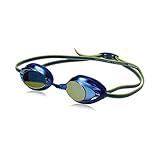

At a glance: junior goggle options
| Type or model | Best for | Maker-stated traits | Limits |
|---|---|---|---|
| Speedo Junior goggles (for example Skoogles and Hydrospex lines) | Lessons and family pool days | Makers list anti-fog lenses and UV protection on many junior models | Fit varies by line; check the age band |
| Arena junior goggles (for example Cobra and Spider junior) | Older kids and swim club beginners | Arena lists junior sizing and anti-fog treatment on its racing-style goggles | Racing fit is lower-profile and can be less forgiving |
| TYR Swimple and kids’ goggles | Small faces, comfort-first buyers | TYR lists kids’ models with softer fit and adjustable straps | Style choices vary by year |
| Zoggs Little Ripper and junior models | Young beginners | Zoggs markets child-specific shapes and UV protection | Availability depends on region |
| Aqua Sphere Seal Kid | Children who dislike tight seals | The maker highlights a wide-view lens and a soft seal | Larger profile than racing goggles |
What matters most when choosing
Fit and seal
A good seal comes from the gasket pressing evenly around the eye socket. Have your child hold the goggles to their eyes without the strap and press lightly. If they stay in place for a moment with suction, the shape probably suits. Goggles that fit adults’ faces or that sit too wide will leak, and a leak is the most common reason children stop wearing them.
Age band and nose bridge
Makers usually print an age range on the pack. Use that as a starting point rather than a rule, because face shapes vary. The nose bridge should be adjustable or comfortable, and swappable bridges, where included, help tune the width. Check what the pack says about spare parts.
Anti-fog and UV protection
Many junior goggles state an anti-fog coating on the inside of the lens. These coatings wear with time and rubbing, so teach children not to wipe the inside with fingers. UV protection is useful for outdoor pools and open-water swimming. Choose the maker’s stated feature rather than assuming every lens has it.
Lens tint
Clear lenses suit indoor pools, light blue tints suit moderate light, and mirrored or smoke tints cut glare outdoors. For learners, clear or lightly tinted lenses make it easier to see the wall and the instructor.
Strap design
Split silicone straps stay in place and are gentle on hair, while single straps are simpler. A quick-adjust buckle helps kids who want to tweak fit independently. Longer hair benefits from a slightly higher strap position, and some parents keep a spare goggle in the swim bag because a snapped strap is a classic pool-day mishap.
Picks by buyer
Speedo Junior for the family-pool default
Speedo is a mainstream brand and has several junior lines at budget and mid-range tiers. Review sites that cover kids’ swim gear often cite Speedo junior goggles as a reliable starting point for lessons. Choose one that matches the printed age band, and confirm anti-fog and UV on the pack for the specific model.
Arena for swim-club kids
Arena is common at competitive pools. Its junior racing-style goggles have a lower profile and a tighter seal, which suits children who swim laps. Younger beginners can find them uncomfortable, so these suit kids who already enjoy swimming and want streamlined goggles.
TYR and Zoggs for the smallest swimmers
Both brands offer child-specific shapes with softer gaskets. They suit nervous beginners who dislike pressure around the eyes. Compare the age bands printed on each pack.
Aqua Sphere Seal Kid for wide-view comfort
This design is known for a wide, panoramic lens and a soft seal. Parents who find that standard goggles leave marks often explore it. It is bulkier than a racing goggle, which matters if your child is learning streamlined swimming.
Pick-this-if decision table
| Child profile | Pick | Reason |
|---|---|---|
| Learning to swim, easily upset by pressure | TYR or Zoggs kids’ goggles | Soft, child-shaped gaskets |
| School-age, weekly lessons | Speedo Junior | Broad choice and straightforward fit |
| Swim club, laps | Arena junior racing style | Low-profile fit |
| Dislikes tight goggles | Aqua Sphere Seal Kid | Soft seal and wide view |
| Outdoor pool or lake | Tinted or mirrored junior lens with UV protection | Reduces glare when stated by the maker |
How to fit goggles properly
- Place the goggles on the face without tightening the strap and press gently. They should hold with light suction for a moment.
- Adjust the nose bridge, if possible, so the lenses sit centered over the eyes.
- Pull the strap on and tighten just enough to seal, not to squeeze. Over-tightening leaves marks and does not fix poor fit.
- Have your child put their face in a basin or the shallow end for a quick leak test.
Common mistakes
- Buying adult goggles in a child color. Face width and nose bridge are different.
- Over-tightening the strap to stop a leak.
- Wiping the lens interior, which wears off the anti-fog coating.
- Leaving goggles in a hot car or in direct sun, which can warp parts.
- Ignoring discomfort. Redness lasting well after a swim means the fit is wrong, and any eye irritation, pain or persistent redness is a reason to talk to a doctor.
Care and hygiene
Rinse goggles in fresh water after each swim, let them air-dry out of direct sun, and store them in a case or pouch. Do not touch the lens interior. Replace goggles when the gasket hardens, the strap loses stretch or the anti-fog coating no longer works. Do not share goggles between children when one has an eye infection.
Frequently Asked Questions
What age should my child start wearing goggles?
Many makers offer models marketed for toddlers and preschoolers, with age bands on the packaging. Start with a child-shaped model and follow the maker’s age guidance. Some instructors prefer to let beginners get used to water without goggles first.
Why do my child’s goggles keep leaking?
Most leaks come from a poor match between gasket and face shape, or from hair under the seal. Try a different size or model, adjust the nose bridge and keep hair out of the gasket. Tightening the strap more rarely helps.
Are mirrored lenses suitable for kids?
Mirrored and tinted lenses reduce glare in bright outdoor settings. For indoor pools, clear or lightly tinted lenses give better visibility. The label should state UV protection if that matters to you.
How long do kids’ goggles last?
Lifespan depends on use and care. Children’s faces grow, so a pair may be outgrown before it wears out. Replace when the strap stretches, the gasket cracks or the anti-fog stops working.
Should my child wear prescription goggles?
If your child wears glasses, ask an eye-care professional about prescription swim goggles. Do not guess a lens strength from regular glasses. Some makers offer ready-made diopter goggles, but a professional should guide the choice.
How do I stop goggles from fogging?
Do not touch the inside of the lenses and rinse them after use. Use only the anti-fog product the maker advises, as some cleaners damage coatings. A fresh pair may be needed once the coating is gone.







Write Your Review
No reviews yet. Be the first to share your experience!