
- Top Pick: Raid Ant & Roach Killer Bug Spray, Lemon Scent, 17.5 oz | Kills Ants & Roaches on Contact, Keeps Killing For Up to 13 Weeks, For Home Use, No Lingering Chemical Odor
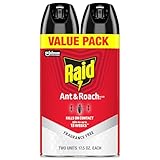
- Best Value: Raid Ant & Roach Killer Bug Spray, Fragrance Free, 17.5 oz, 2 Count | Kills Ants & Roaches on Contact, Keeps Killing For Up to 13 Weeks, For Home Use, No Lingering Chemical Odor
- Premium Choice: Raid Ant & Roach Killer Spray, Outdoor Fresh Scent, 17.5 oz | Kills Ants & Roaches on Contact, Keeps Killing For Up to 13 Weeks, For Home Use, No Lingering Chemical Odor
For a home roach problem, a labeled residual spray is a good tool for entry points and baseboards, but it works best alongside bait: use Advion gel bait or a liquid bait such as Hot Shot Ultra Liquid Roach Bait where roaches hide, and add a growth regulator like Gentrol IGR for heavy cases. Sprays alone kill what they touch but often miss the population in the walls, so the right pick depends on where the roaches are coming from.
As an Amazon Associate we earn from qualifying purchases at no extra cost to you.



What a roach spray actually does
Residual sprays leave a thin film on surfaces, and roaches that walk across it pick up the active ingredient. Contact aerosols kill what they hit and have no lasting effect. Reviewers at Pest Control Insider and This Old House commonly place sprays as the supporting layer in a plan, with bait doing the main work indoors. The label determines where each product may be used, such as cracks and crevices, baseboards, or outdoor perimeters, so read it before you apply anything.
At a glance
| Option | Type | Best for | Notes from makers and reviewers | Limits |
|---|---|---|---|---|
| Residual perimeter spray | Liquid concentrate or ready-to-use | Entry points, outdoors, foundations | Creates a barrier that roaches cross; follow label on sites and dilution | Can scatter roaches indoors; needs safe handling |
| Crack-and-crevice aerosol | Aerosol with an applicator tip | Behind appliances, wall voids | Reaches hidden spots listed on the label | Not for open surfaces; read warnings on use near food |
| Advion Cockroach Gel Bait | Gel bait, indoxacarb | Indoor population control | Ranked first by This Old House; works when eaten | Needs monitoring and reapplication |
| Hot Shot Ultra Liquid Roach Bait | Liquid bait, dinotefuran | Quick start in dry areas | Ranked second by This Old House | Can dry; avoid contaminating with cleaners |
| Gentrol IGR | Growth regulator, hydroprene | Heavy infestations as an add-on | Prevents nymphs from maturing into breeding adults | Does not kill adults by itself |
Specific spray brands vary by region and by what a store stocks. Rather than a single name, compare the active ingredient, the labeled pests and sites, and the amount of residual protection the maker states. Several roundups are affiliate-driven, so give rankings light weight.
Reading a spray label
Active ingredient
Common ingredients include pyrethroids such as cypermethrin, bifenthrin, or lambda-cyhalothrin. They differ in smell, residual time, and how they are mixed. Do not stack several products with the same class without reading the label, since doubling up does not help and may break the rules for use.
Where it may be applied
Some are for outdoor use only, some for indoor cracks, and some for both. Using a product outside its label is unsafe and in many places illegal.
Residual claim
Makers state how long a treated surface keeps working, but cleaning, humidity, and sun reduce it. Reapply as the label permits.
Food, pets, and children
Labels state how long to keep people and pets out of a treated area and how to protect food and dishes. Follow them closely. Birds and fish are especially sensitive, so cover or move aquariums and vent the room as instructed.
Spray versus bait versus fogger
Spray
Quick and familiar, and useful at doors, windows, drains, and the outside foundation. Used badly inside, it can push roaches deeper into walls.
Bait
The workhorse indoors, because roaches feed and carry the active ingredient back to others. It must be placed where roaches travel and kept free of spray residue.
Fogger
Reviewers, including Everyday Home Reviews, treat foggers as a narrow-use product. They are not effective against roaches hidden in wall voids, and they carry fire, inhalation, and electronics cautions on the label.
Budget tiers without prices
Budget tier
Ready-to-use aerosols and basic bait stations handle a few roaches or a first response. They are easy to find in a store.
Mid-range tier
Concentrate perimeter sprays with a pump sprayer, plus a gel bait syringe, cover a whole home and go further per use.
Premium tier
A professional service combines bait, growth regulators, and targeted spraying and monitors results. It is the sensible step for repeating infestations or shared buildings.
Pick X if … decision table
| Pick this | If |
|---|---|
| Perimeter spray | roaches enter from outside, or you see large roaches near doors and drains |
| Crack-and-crevice aerosol | you can see where roaches hide and the label allows that site |
| Advion gel bait | the problem is indoors in kitchens and bathrooms |
| Hot Shot liquid bait | you want a faster start in a dry area |
| Gentrol IGR | you see roaches of many sizes |
| Licensed professional | the problem returns, or you have allergies, asthma, or a multi-unit building |
A safe way to use spray at home
- Read the entire label. Wear any protective gear it lists, such as gloves.
- Clear the area. Remove food, dishes, and pet items, and cover or remove fish tanks.
- Target hiding spots. Treat entry points, under sinks, and along baseboards only where the label permits.
- Keep people and pets away. Wait as long as the label says before they return, and ventilate.
- Do not spray over bait. Keep a gap so roaches still eat it.
- Store the product securely. Keep it out of reach of children and pets.
Common mistakes
- Relying only on spray for an established indoor population.
- Spraying near bait, which repels roaches from feeding on it.
- Using too much product. More is not better and can break label limits.
- Ignoring moisture, food crumbs, and cardboard clutter that feed roaches.
- Skipping a follow-up. Egg cases hatch over weeks, so check traps and reapply as the label allows.
Prevention after treatment
Seal cracks around pipes and baseboards, fix leaking taps, store food in sealed containers, take out trash daily, and clean grease behind the stove. Outdoors, trim vegetation touching the house and keep leaf litter and wood piles off the foundation. Sticky monitoring traps left in place show if activity returns before it becomes a problem again.
Frequently Asked Questions
Is spray or bait better for roaches?
Reviewers generally favor bait for indoor infestations because it reaches hidden roaches, and use spray for entry points and outdoor perimeters. A combination works better than either alone when they are kept apart.
Why do roaches seem to increase after I spray?
Spray can flush roaches from hiding and scatter them, so you see more for a short time. If numbers do not fall, switch to bait and look for moisture sources.
Are roach sprays safe for pets?
Only when used exactly as the label directs, and often only after the treated surface has dried. Keep pets out during application and for the time stated, and call a vet or poison control if you suspect exposure.
How long does roach spray last?
The maker states a residual period on the label, but cleaning and humidity shorten it. Do not exceed reapplication limits.
Can I use natural sprays?
Some plant-oil products exist, and they may kill roaches on contact, though results are mixed and residual time is short. Established infestations usually need baits and sanitation.
When should I call a pest professional?
Call one if roaches persist after several weeks of careful treatment, if you see them in daylight in large numbers, or if anyone in the home has allergies or asthma. A licensed professional can identify the species and choose a plan.







Write Your Review
No reviews yet. Be the first to share your experience!