
- Top Pick: Mighty Mint Peppermint Oil Insect Repellent Spray, 1 Gallon (128 oz) | Natural Indoor & Outdoor Bug Control for Spiders, Ants, Roaches, Plant-Based, Extra-Strong Formula with Microfiber Cloth
- Best Value: Pestie Home Barrier Pest Control Kit, Bug Spray & Ant Killer for Home | Fast-Acting, Long-Lasting Home Barrier Spray, Professional Pest Control for Common Household Insects
- Premium: Mighty Mint Peppermint Oil Insect Repellent Spray, 16 oz | Natural Indoor & Outdoor Bug Control for Spiders, Ants, Roaches, Plant-Based, Extra-Strong Formula with Microfiber Cloth
For most households, a bifenthrin-based indoor and perimeter spray such as Ortho Home Defense is the strongest all-round pick, while a fast-knockdown aerosol like Raid suits a single visible infestation and a yard spray like Cutter Backyard Bug Control suits outdoor seating areas. The right bottle depends on where the pests are, how long you want protection to last, and who shares the space, including children and pets.
As an Amazon Associate we earn from qualifying purchases at no extra cost to you.
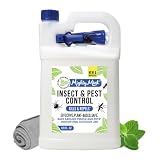

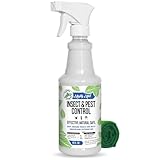
Quick comparison of the main options
| Product line | Best for | Key stated traits (per maker and roundup reviewers) | Main limit |
|---|---|---|---|
| Ortho Home Defense (indoor and perimeter formulas) | Long-term barrier around the house | Bifenthrin residual; wand-style applicator; the maker advertises protection that can last for months on treated surfaces | Residual products need correct label use; not a spot-kill for one bug on the wall |
| Raid Ant and Roach Killer spray | Fast knockdown of active pests | Reviewers describe quick kill on contact; a fragrance-free version is offered; the maker lists weeks of residual indoor protection | Aerosol overspray; shorter protection than perimeter concentrates |
| Spectracide Bug Stop and related sprays | Budget indoor and outdoor treatment | Ready-to-use format; roundups frame it as the economical choice | Fewer specialty formulas than the big two |
| Spectracide Triazicide | Lawn and garden insects | Broad-spectrum outdoor insect control, per roundup reviewers | Outdoor use only; not for inside the home |
| Cutter Backyard Bug Control | Patios, play areas, mosquito season | Lambda-cyhalothrin; the maker lists coverage of a few thousand square feet for around twelve weeks | Needs a hose-end setup; follow re-entry guidance |
These lines are widely stocked in 2026, but formulas and packaging change, so always read the label on the exact bottle you buy. Roundups on this topic are mostly written by review sites rather than independent labs, which is why this guide leans on the active ingredient and the stated use rather than rankings.
Start with the pest, not the brand
Sprays are not interchangeable. A contact aerosol designed for flies and ants will do little against a nest in a wall void, and a perimeter concentrate will not rescue you from bed bugs. Match the target first.
- Ants, spiders, earwigs, silverfish and crickets: a residual perimeter or crack-and-crevice spray applied along baseboards, door thresholds and the foundation line.
- Roaches: sprays help for quick knockdown, but gel bait and stations usually do the heavy lifting, so see the dedicated roach guide on this site.
- Mosquitoes and yard pests: an outdoor lawn or backyard formula, applied to foliage and resting spots.
- Flying insects in the room: a contact aerosol, used briefly and with ventilation.
- Wasps, termites, bed bugs, rodents: these are not well solved by a general household spray. Wasp nests near doors, termite activity and bed bugs are jobs for a licensed professional.
Understanding active ingredients
Most consumer sprays rely on pyrethroids, a family of synthetic insecticides modelled on chrysanthemum compounds. Bifenthrin and lambda-cyhalothrin are residual pyrethroids: they stay on treated surfaces and keep working after the liquid dries. Prallethrin and similar ingredients are used in fast-acting aerosols that knock insects down quickly but leave little residue.
That split explains most of the product differences. Residual formulas suit a periodic barrier treatment, while knockdown aerosols suit emergencies. Some people use both: a perimeter treatment to stop new arrivals and a small can for the odd intruder.
Pick X if…
| Your situation | Consider | Why |
|---|---|---|
| You want one bottle for baseboards and the outside foundation | Ortho Home Defense | Indoor and perimeter formats built on a residual active ingredient |
| You see roaches or ants right now and want them gone on contact | Raid Ant and Roach Killer | Aerosol knockdown; some versions are fragrance-free |
| You are on a tight budget and treating a small area | Spectracide Bug Stop | Economical ready-to-use format |
| Your concern is the lawn, garden beds or deck | Spectracide Triazicide or Cutter Backyard Bug Control | Outdoor-labelled products with wider coverage |
| Someone in the house is sensitive to strong smells | Fragrance-free formulas, applied while the room is empty and ventilated | Reduces lingering odor; still follow the label |
Budget tiers without the price tags
Budget
Small ready-to-use bottles and aerosols from the Spectracide and Raid ranges handle occasional pests. They are fine for a single room or a quick fix, but you will probably re-treat more often.
Mid-range
Ortho Home Defense ready-to-use bottles and the larger perimeter jug sit here. The larger formats cost more up front but cover a whole house exterior with a pump sprayer, which tends to be the better value for people who treat every season.
Premium
Concentrates sold for use in a tank sprayer, and professional service visits, belong in this tier. Concentrates reward you only if you are comfortable mixing precisely to the label rate and wearing the protective gear the label lists.
Safety: the part buyers skip
Insecticides are regulated products, and the label is the law. A few conservative habits apply to nearly every spray:
- Read the whole label before opening the bottle, including the re-entry interval and the list of approved surfaces.
- Keep children and pets out of the treated area until the product has dried and the label allows re-entry.
- Cover or remove fish tanks, bird cages and food-prep items, and never spray near food or on surfaces where food is prepared.
- Pyrethroids can be harmful to fish and aquatic life, so keep outdoor applications away from storm drains, ponds and bodies of water.
- Wear gloves and wash hands after use; ventilate indoor rooms.
- If someone swallows a product or has a reaction, call poison control or a doctor straight away. For pets, contact a veterinarian.
Households with infants, people with asthma or other respiratory conditions, or pets that are hard to keep out of treated rooms should talk to a pest professional rather than choosing a spray alone.
Common mistakes
- Spraying only where you see bugs. Pests travel along edges and through gaps, so treat entry points such as door frames, window sills and utility penetrations.
- Using an outdoor product indoors. Labels differ for a reason; never move a lawn product inside.
- Over-applying. More product does not mean more control and increases exposure.
- Ignoring moisture and food sources. Leaky pipes, crumbs and open pet food keep bringing pests back.
- Mixing repellents with baits. Spraying over bait placements can make roaches and ants avoid the bait.
Alternatives worth considering
- Bait stations and gels: for ants and roaches, bait that workers carry back to the nest often reaches the source better than a spray.
- Diatomaceous earth or similar dusts: a non-spray option for crack-and-crevice work, applied lightly and kept dry. Use dust labelled for the purpose and avoid inhaling it.
- Sealing and exclusion: caulk, door sweeps and screens prevent many problems without any chemical.
- A licensed pest control company: the sensible choice for recurring infestations, stinging insects, termites or bed bugs.
Frequently Asked Questions
What is the best pest control spray for the whole house?
Roundups in 2026 most often name the Ortho Home Defense range because it covers both indoor surfaces and the exterior perimeter. A residual formula works best when applied along entry points on a regular schedule, as the label directs.
How long does a residual spray last?
Makers advertise protection measured in weeks to months, but the real duration depends on the surface, weather, cleaning and pest pressure. Rain and sunlight shorten outdoor residuals, and wiping treated surfaces removes the product.
Is pest control spray safe around pets and children?
Only when used exactly as labelled. Keep them away until the spray has dried and the label allows re-entry, and call a veterinarian or poison control if exposure is suspected.
Do I need a spray or a bait for roaches?
Many reviewers favour gel bait for roaches because it is eaten and carried back to hiding spots. A spray can supplement it for quick knockdown, but avoid spraying right over bait placements.
Why do the bugs keep coming back after I spray?
Usually because the source was not addressed: moisture, food, clutter or gaps in the building envelope. If activity persists after a careful treatment, contact a licensed professional.
Can I use outdoor spray inside?
No. Use only products whose label lists indoor use, because formulations and safety instructions differ.





Write Your Review
No reviews yet. Be the first to share your experience!