
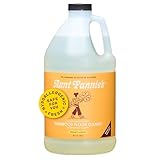
- Top Pick: Aunt Fannie's Hardwood Floor Cleaner, Vinegar-Free, Lemon, 32 oz, Pack of 1 | Makes Up to 16 Gallons, No Rinsing, Safe for Sealed Planks Engineered Surfaces & Finished Flooring, Kid and Pet Safe
- Best Value: Aunt Fannie's Hardwood Floor Cleaner, Vinegar-Free, Lemon, 64 oz | Makes Up to 16 Gallons, No Rinsing, Safe for Sealed Planks Engineered Surfaces & Finished Flooring, Kid and Pet Safe
- Premium Choice: method Hardwood Floor Cleaner, Squirt + Mop Design, Almond, 25 fl oz | One Stop Clean, No Rinsing Required, Nozzle Spray Covers Floor in Fewer Sweeps, For Sealed Hardwood and Laminate Floors
For most sealed hardwood floors, a pH-neutral, residue-free spray cleaner from a flooring brand such as Bona, Method or Murphy is the safest everyday pick, while a diluted white-vinegar mix or a plant-based concentrate suits people who want fewer ingredients and are willing to follow dilution rules carefully. The right answer depends far more on your floor finish than on the label that says “natural”.
As an Amazon Associate we earn from qualifying purchases at no extra cost to you.


What “natural” actually means for wood floors
There is no regulated definition of “natural” on cleaning products. Makers use it to mean plant-derived surfactants, no synthetic dyes or fragrances, or biodegradable formulas. None of that tells you whether a product is gentle on a floor finish. What matters for the wood is whether the cleaner is close to neutral pH, whether it leaves a film, and how much water it puts down.
Most modern hardwood floors are sealed with a polyurethane or similar surface finish. The cleaner touches the finish, not the raw wood. Oiled or waxed floors are different: they need products made for oil or wax maintenance, and water-heavy or soap-based cleaners can dull or strip them. Check your installer’s care sheet before choosing anything.
At a glance: cleaner types compared
| Type | Best for | Maker-style claims to look for | Limits |
|---|---|---|---|
| Ready-to-use spray (Bona Hardwood Floor Cleaner style) | Sealed polyurethane floors, weekly cleaning | Made for finished hardwood, dries quickly, pairs with a microfiber pad | Not for oiled, waxed or unfinished floors |
| Plant-based spray (Method Squirt and Mop style) | Households wanting plant-derived surfactants and a lighter scent | Biodegradable formula, no phosphates, made for wood | Some formulas are scented; test a hidden corner |
| Concentrated oil soap (Murphy Oil Soap style) | Traditional sealed wood, diluted in a bucket | Concentrate, vegetable-oil based | Overuse or too little dilution can leave a film; many flooring makers advise against it on modern finishes |
| Floor-specific refresher (Rejuvenate style) | Dull-looking sealed floors needing shine | Cleans and adds sheen | Shine products can build up if layered over other polishes |
| Diluted white vinegar | Budget-minded owners who accept the trade-off | Cheap, single ingredient | Acidic; several flooring makers caution against it, and it does not suit every finish |
| Dry microfiber only | Light dust and daily upkeep | No chemicals at all | Does not lift sticky residue |
Product names above show the category; formulas change between releases, so read the current bottle for what the maker states.
Floor type decides the product
Sealed (surface-finished) hardwood
This is the most common type in homes built or renovated in recent decades. A water-based, pH-neutral spray with a damp, well-wrung microfiber mop is what flooring associations generally describe as appropriate. Keep moisture minimal: spray the pad or a small area, wipe, and let it dry in minutes rather than pooling.
Oiled or waxed floors
These rely on a penetrating oil or wax layer. Standard sprays and soap concentrates can strip or cloud that layer. Look for a cleaner the floor maker names, or a product specifically labeled for oiled floors, and plan on periodic re-oiling per the manufacturer.
Engineered wood
Engineered boards have a thin wood veneer over a core, so excess water is a bigger risk to the seams. Use the same spray approach and avoid steam mops unless the floor maker explicitly allows them.
Laminate and luxury vinyl that look like wood
Many “wood look” floors are not wood. A wood cleaner is often still fine, but check the product label for the surfaces it lists. If your floor is laminate, follow the laminate maker’s instructions.
Cleaner profiles by buyer
The set-and-forget household
A ready-to-use spray bottle designed for finished hardwood, used with a flat microfiber mop, covers weekly cleaning with the least chance of mistakes. Bona is the brand most often named in flooring-care guidance, and its refill cartridges fit its own mop systems. The trade-off is that you buy into a system.
The plant-ingredients shopper
Method’s wood cleaner line is the widely sold option positioned on plant-derived cleaning agents. Reviewers who cover cleaning products often note that scent preferences vary, so a small bottle or a trial in one room is sensible before buying in bulk.
The traditionalist
Murphy’s oil soap has a long history on wood furniture and older floors. Because it is an oil-based soap concentrate, the main risks are using too strong a mix and not rinsing, which leaves a dull film. If your floor has a modern polyurethane finish, many floor makers prefer a no-residue cleaner instead.
The budget-first buyer
A dry microfiber mop and an occasional damp pass with plain water handle most dirt on a sealed floor. Where you need more, a small amount of a neutral cleaner is better than improvising with strong household chemicals.
The pet and kid household
Wet messes should be wiped up quickly regardless of cleaner. A spray you are comfortable using on spot messes without hunting for gloves makes it more likely you will clean right away. Always keep products out of reach of children and pets and follow the label’s safety text.
Pick-this-if decision table
| If this describes you | Choose | Why |
|---|---|---|
| Sealed floor, want the simplest routine | Ready-to-use hardwood spray with a microfiber pad | Designed for the finish, low moisture, no mixing |
| Want a plant-derived formula | A plant-based wood floor spray | Ingredient list matches your preference; patch test first |
| Floor looks dull but is clean | A floor refresher made for sealed wood | Adds sheen; avoid layering with other polishes |
| Oiled or waxed floor | The cleaner your floor maker names | Standard sprays can strip the oil layer |
| Engineered wood with tight seams | Minimal-moisture spray, no steam | Excess water can reach the core |
| Light dust only | Dry microfiber | No product needed |
How to choose: the checklist
- Know your finish. Look for the floor maker’s care sheet or ask the installer whether it is polyurethane, oil, wax or something else.
- Prefer low-moisture methods. A lightly damp pad beats a soaked mop on any wood floor.
- Look for the words “no residue” or “no rinse”. Film build-up is the most common complaint with soap-style products.
- Check the surface list. The label should say it is for finished or sealed hardwood.
- Consider scent. “Natural” scents are still fragrances for sensitive noses.
- Match the pad. A clean microfiber pad matters as much as the liquid.
Common mistakes
- Using steam mops on wood floors, which most flooring makers advise against.
- Mixing vinegar with other cleaners; never combine cleaning chemicals.
- Applying cleaner straight onto the floor in large amounts.
- Layering polish over a floor that has residue from soap-based cleaning.
- Skipping a hidden-corner test on an unfamiliar product.
- Using a gritty or dirty mop pad that scratches the finish.
Alternatives to consider
If you are not sure what finish your floor has, a professional floor care service can identify it and recommend a maintenance product. For heavily worn floors, a recoat by a flooring professional may do more than any cleaner. Dry methods, such as a soft-bristle broom or a vacuum with a hard-floor setting, also reduce how often you need liquid at all.
Frequently Asked Questions
Is vinegar a safe natural wood floor cleaner?
Opinions differ, and several flooring makers advise against it because it is acidic and may dull some finishes over time. If you choose to use it, dilute it heavily, use a barely damp mop and test a hidden area first. A flooring-specific neutral cleaner avoids the question.
Can I use Murphy oil soap on hardwood floors?
It is traditionally used on wood, but it can leave a film on modern surface finishes if used too strong or without wiping. Follow the dilution on the label and check whether your floor maker permits it. For oiled floors, use only what the maker names.
How often should I clean wood floors?
Dry sweeping or microfiber dusting a few times a week keeps grit from scratching the finish. A damp clean once every week or two is typical for busy areas, and less in low-traffic rooms. Wipe spills right away.
Are natural cleaners as effective as standard ones?
For routine dirt on a sealed floor, plant-based and standard neutral cleaners generally do similar jobs. Sticky or greasy spots may need a bit more dwell time or a second pass. Natural labeling does not mean safer for your finish.
Can I use a steam mop with a natural cleaner?
Most wood-floor makers advise against steam because heat and moisture can damage the finish and seams. Unless your floor maker states otherwise, stay with a damp microfiber pad.
What is the best cleaner for engineered wood?
Use a low-moisture, residue-free spray labeled for finished wood, and keep the mop damp rather than wet. Confirm with the manufacturer’s care guide, as warranties may specify products.







Write Your Review
No reviews yet. Be the first to share your experience!