
- Top Pick: 55 Vegetable Seeds Variety Pack – 35,600+ Non-GMO Heirloom Seeds for Planting Vegetables and Fruits in Individual Seed Packets, Home Garden Seeds for Hydroponic, Indoor and Outdoors Gardening
- Best Value: B&KM Farms 30,000+ Non-GMO Heirloom Seeds, 30 Fruit & Vegetable Varieties | Average 90%+ Germination, 5+ Year Shelf Life, Mylar Seed Packets, Reclosable Plastic Pail, 200+ Page Online Growing Guide
- Premium Choice: Gardeners Basics Survival Seed Vault Kit, Vegetable Seeds for Planting | 35 heirloom, non-GMO, non-hybrid, open-pollinated varieties; 16,000+ seeds; 35 plant markers; professional paper seed packets
The best heirloom seeds for most new gardeners are the reliable classics, namely Brandywine or Cherokee Purple tomatoes, Kentucky Wonder beans, Boston Pickling cucumbers, Danvers carrots and Lacinato kale, while experienced growers can branch into rarer types once the basics work. Choosing by crop and climate matters more than chasing the most exotic name.
As an Amazon Associate we earn from qualifying purchases at no extra cost to you.


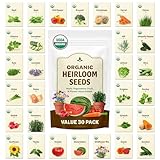
What Counts as an Heirloom Seed
An heirloom is an open-pollinated variety passed down over generations, so saved seed grows into a plant like its parent when pollination is controlled. Definitions of age vary, but the common thread is stability and a growing history. That makes heirlooms a good fit for anyone who wants to save seed, and it explains why flavor and character are the usual selling points rather than uniformity.
Starter Varieties at a Glance
| Crop | Variety | Why gardeners pick it | Watch out for |
|---|---|---|---|
| Tomato | Brandywine | Large beefsteak fruit with a long reputation for flavor | Late maturity and modest yield in short seasons |
| Tomato | Cherokee Purple | Dusky color and rich taste, widely stocked | Cracks and disease in wet weather |
| Tomato | Black Krim | Dark fruit that handles some heat | Needs sturdy staking |
| Bean | Kentucky Wonder | Heavy, long-running pole bean | Needs a trellis |
| Bean | Provider | Bush bean that sets pods in cooler soil | Shorter harvest window |
| Cucumber | Boston Pickling | Classic pickler also good fresh | Harvest promptly or fruit turns bitter |
| Carrot | Danvers | Copes with heavier soil than many types | Needs thinning |
| Kale | Lacinato | Tender leaves and cool-season toughness | Aphids in warm weather |
| Basil | Genovese | Standard pesto basil | Cold-sensitive |
| Melon | Moon and Stars watermelon | Distinctive speckled rind and a good story | Needs space and a long warm season |
How to Choose Heirloom Seeds
Start with your climate
Match days to maturity to the weeks between your last spring frost and first fall frost. A tomato listed at 90 days or more may never ripen in a cool, short summer, while quick varieties suit northern gardens. In humid regions, look for varieties sellers describe as disease-tolerant or bred for the South.
Read the packet, not just the photo
Good sellers list plant habit, spacing, days to maturity and the year the seed was packed. If these details are missing, the listing is mostly marketing.
Think about growth habit
Indeterminate tomatoes and pole beans need strong supports. Compact determinate and bush types suit containers and small raised beds.
Decide how you will use the harvest
Slicing, canning, drying and fresh salads all call for different varieties. Pickling cucumbers and paste tomatoes are bred for processing, while beefsteaks are usually best eaten fresh.
Budget Tiers
- Budget tier: Large-volume sellers and small-packet lines let you try many crops with little outlay, which suits big plots and children’s gardens.
- Mid-range: The established heirloom catalogs, with packets that include growing notes and a wide choice of varieties.
- Premium tier: Collector sellers and market-grower houses, where you pay more for rare lines, detailed histories, pelleted seed or professional growing guidance.
Pick X If…
| If you are… | Start with |
|---|---|
| A first-year gardener | Kentucky Wonder beans, Boston Pickling cucumbers, Lacinato kale |
| A tomato enthusiast | Brandywine, Cherokee Purple and one early variety as insurance |
| Gardening in a short season | Early varieties under about 70 days, bush beans, leafy greens |
| Gardening in hot, humid summers | Heat-tolerant selections from regionally focused sellers |
| Planning to save seed | Beans, lettuce and tomatoes, which self-pollinate readily |
| Short on space | Bush beans, patio tomatoes and herbs in containers |
Where to Buy
Reputable heirloom sources include Baker Creek Heirloom Seeds, Seed Savers Exchange, Southern Exposure Seed Exchange, Victory Seed Company, Pinetree Garden Seeds and MIgardener. Reviewers describe Baker Creek as the largest heirloom catalog in North America and Seed Savers Exchange as a non-profit that supports variety preservation. Johnny’s Selected Seeds is a respected alternative with strong growing resources, though it is not mainly an heirloom seller. Popular varieties sell out in spring, so order during winter.
Common Mistakes
- Buying too many unusual varieties in the first season and losing track of their needs.
- Skipping a seed-starting schedule and sowing tomatoes too early or too late.
- Letting different squash or melon varieties cross-pollinate, then saving seed with surprising results.
- Storing leftover seed in a warm, humid place. Keep it cool, dry and dark.
- Expecting heirloom yield to match hybrids bred for disease resistance.
Seed Storage and Saving Basics
Keep unused packets in a sealed container in a cool, dry spot, such as an indoor cupboard or the refrigerator with a desiccant pack. If you save your own seed, dry it fully, label it with the variety and the year, and sow it within a few seasons for the best germination. Tomatoes are usually fermented briefly before drying, while beans need only to dry on the plant until the pods rattle.
Planning a First Heirloom Bed
A simple first bed pairs a few dependable crops with staggered timing. Sow beans and cucumbers after the soil warms, start tomatoes indoors several weeks ahead, and tuck kale and carrots into cooler weeks at either end of the season. Label every row with variety and sow date, since heirloom names are easy to forget by midsummer. Keep a short notebook of what thrived, because the best list of varieties is always the one proven in your own soil. Rotating crop families each year also reduces disease build-up in the ground.
Gardeners with limited space can lean on trellised beans and cucumbers to grow upward, while herbs such as Genovese basil fit in pots beside the kitchen door. Whatever the scale, sow a little more than you need and thin seedlings, because germination rates differ between varieties and seed ages.
Frequently Asked Questions
What is the easiest heirloom vegetable to grow?
Bush and pole beans, lettuce and cucumbers are widely considered forgiving. They germinate quickly from direct sowing and tolerate small mistakes.
Are heirloom tomatoes harder to grow than hybrids?
They can be, because many are less resistant to common diseases and may crack or yield less. Good spacing, staking and watering at the base of the plant improve results.
Will heirloom seeds grow true every year?
Yes, provided you save seed from a plant that was not cross-pollinated by a related variety. Isolation distance or bagging flowers prevents crossing in crops that readily mix.
How many seeds are in a packet?
It depends on the crop and the seller. Large seeds like beans have fewer per packet, while lettuce or carrot packets hold many. Check the seed count on the listing.
Can I grow heirloom seeds in containers?
Yes, with suitable varieties. Compact tomatoes, bush beans, herbs and salad greens do well in pots with good drainage and regular feeding.
When should I plant heirloom seeds?
Follow your local last frost date and the packet instructions. Warm-season crops like tomatoes are usually started indoors several weeks before the last frost, while beans and cucumbers are sown directly once the soil is warm.







Write Your Review
No reviews yet. Be the first to share your experience!