
Most women racing cross country on grass, mud and woodland courses are best served by a lightweight spike with a replaceable pin plate, such as the Nike Victory line, Saucony Havok XC or New Balance XC Seven, while training runs on the same trails call for a grippy trail or waffle-style flat instead of a spike.
As an Amazon Associate we earn from qualifying purchases at no extra cost to you.


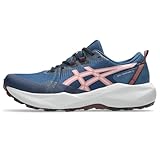
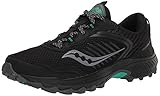
Spike or flat? Decide this first
Cross country shoes fall into two groups. Spikes have a plate with threaded pin sockets and are made for race day, where traction on wet grass and soft ground matters more than cushioning. Flats, including waffle-outsole racers and light trail shoes, suit practice, warm-ups, and courses that are mostly hard-packed or gravel. Many athletes own both.
School and association rules often limit pin length, so check your meet or course regulations before buying pins.
At a glance
| Shoe | Type | Best for | Limits |
|---|---|---|---|
| Nike Victory (current generation) | XC spike, foam midsole | Racers wanting a cushioned, modern spike for 5K and 6K courses | Narrower fit for some; sizing varies by maker chart |
| Saucony Havok XC | XC spike | Athletes who like a secure upper and firm response | Less plush than foam-heavy spikes |
| New Balance XC Seven | XC spike | Versatile spike for mixed courses and many foot shapes | Midsole is lighter on cushioning than newer foam designs |
| Adidas Adizero XCS | XC spike | Lightweight racing feel with a snug fit | Snug upper may not suit wide feet |
| Nike Rival Waffle-style flat | Waffle racing flat | Dry courses, road-to-trail transition, practice | Not a substitute for spikes in deep mud |
| Brooks Cascadia or Hoka Speedgoat-type trail shoe | Trail trainer | Training on rough trails | Heavier than racing shoes |
Makers update these models regularly, so confirm the current version on each maker’s page before buying. Specs such as weight and drop change between releases.
How to choose
Fit and sizing
Many spikes are sold as unisex models, with the men’s size listed first and a women’s conversion provided in the maker’s chart. A common conversion is that a women’s size runs roughly one and a half sizes larger than the men’s number, but charts differ, so use the one printed by the brand. Leave a thumb’s width in front of the toes, and allow for racing socks.
Pin plate and spike length
Most spikes ship with a short set of pins and a wrench. Longer pins grip better in soft ground but can bite on hard surfaces and may break rules. Many athletes carry a short and a long set.
Midsole and cushioning
Newer spikes use soft foam under the forefoot to reduce fatigue over 5K and beyond. Reviewers note that these shoes feel bouncier but can be less stable on uneven ground. Firmer plates and thinner midsoles feel more connected to the ground.
Upper and drainage
Mesh uppers dry fast; thicker, more supportive uppers hold the foot on cambered grass but absorb water. If your course is wet, look for a snug mesh with a gusseted tongue to block debris.
Weight
Lighter shoes feel quicker, but a few extra grams for support often pay off on rough, hilly cross country.
Pick X if…
| If you… | Choose | Reason |
|---|---|---|
| Race 5K or 6K in mud and grass | A foam-midsole spike such as the Nike Victory | Cushioning and traction in one shoe |
| Want a secure, supportive spike | Saucony Havok XC | Stable feel on cambered ground |
| Have a medium to wide foot | New Balance XC Seven | The brand offers a broad range of widths and shapes across its line |
| Prefer a minimal, fast feel | Adidas Adizero XCS | Light and snug |
| Run mixed or dry courses | A waffle flat | No pins to worry about |
| Train on rough trails daily | A trail shoe | Durable outsole and protection |
Budget tiers
- Budget: Older-generation spikes and waffle flats. They are often sold at a discount after a newer version arrives and still perform well on grass.
- Mid-range: Standard current spikes with a decent foam layer. This tier covers most high-school and club athletes.
- Premium: Foam-heavy, plated or racing-focused spikes aimed at elite courses. Benefits are noticeable mainly on long races with firm, fast ground.
Common mistakes
Buying a spike too small is the most frequent error, since spikes are meant to be snug but not painful. Another is using long pins on a dry course, which can strain the calves. Many runners also race in a brand-new pair; break them in with a few strides and a shorter session first, and always loosen and rinse pins after a muddy race to prevent seizing.
Care
- Remove pins after muddy races and brush out the sockets.
- Air dry away from heat; direct heat can damage foam and glue.
- Stuff with paper to hold shape and absorb moisture.
- Replace worn pins, since flattened tips lose grip.
Alternatives
Track distance spikes work on very firm, dry courses but lack the traction of dedicated cross country plates. Lightweight road racing shoes are acceptable on park paths. If injuries or foot concerns affect your selection, speak with a podiatrist or a qualified running-shoe fitter.
Frequently Asked Questions
Do I need spikes for cross country?
Not always. Many beginners run in trail shoes or waffle flats. Spikes give a clear advantage on wet grass and mud, and they become more useful as races get more competitive.
What size should I order in women’s spikes?
Use the maker’s size chart, because many spikes are unisex and the conversion differs. Try them with racing socks and leave a little space ahead of your longest toe.
How long should the pins be?
Follow your meet rules. Shorter pins suit firm ground, while longer pins help in deep mud. Many athletes keep two sets and swap them depending on the course.
Can I use track spikes for cross country?
You can on dry, firm courses, but track spikes usually have less durable uppers and less traction on slick grass. A dedicated cross country spike is a better fit for typical courses.
How often should I replace spikes?
When the upper tears, the plate cracks, or the foam feels flat. Replace pins separately when tips round off.
Are cushioned spikes better?
For longer races they can reduce fatigue, though some runners prefer firmer ground feel on uneven courses. Try both if you can.





Write Your Review
No reviews yet. Be the first to share your experience!