
- Top Pick: Cliganic Mosquito Repellent Bracelets & Stickers, 20 Bands & 30 Patches | For Kids & Adults, Natural DEET-Free, Bug Stickers, Essential Oil Infused Wristbands, Citronella Scent, Outdoor Travel
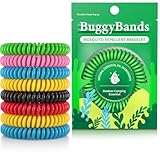
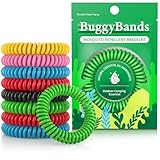
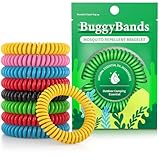
- Best Value: BuggyBands 12 Pack Mosquito Repellent Bracelets for Adults & Kids,DEET-Free | Individually Wrapped Insect Repellent Wristbands, Natural & Waterproof Bug Repellent Bands for Camping, Hiking Outdoor
- Premium Choice: BuggyBands 48 Pack DEET-Free Mosquito Repellent Bracelets for Adults & Kids | Individually Wrapped Natural Insect Repellent Wristbands, Waterproof Bug Repellent Bands for Camping, Hiking & Travel Outdoor
The honest answer is that wristbands are the weakest way to repel mosquitoes: a band protects the few inches around your wrist at best, so people who want dependable protection are better served by a registered skin repellent, treated clothing or a spatial repellent device, with a wristband only as a convenience for low-risk evenings. This guide explains why, which band types exist, and what to buy instead when mosquito-borne disease is a concern.
As an Amazon Associate we earn from qualifying purchases at no extra cost to you.

Why wristbands underperform
Consumer testing organizations and public-health agencies have repeatedly reported that wearable bands soaked in plant oils or other actives do not create a protective zone around the whole body. Mosquitoes land on your ankles, neck and legs, which sit far from a wrist. Repellents work by vapor concentration, and a band releases vapor into open air where wind dilutes it quickly. The CDC’s guidance on preventing bites points to EPA-registered repellents containing DEET, picaridin, IR3535, oil of lemon eucalyptus, para-menthane-diol or 2-undecanone, not to wearable bands.
That does not make every band useless. Some people like the convenience, and in still air near a seated person, an active-ingredient band may reduce bites slightly. But if you are in a region with Zika, dengue, West Nile or malaria risk, rely on proven methods and read the product label for the active ingredient and its registration.
Types of bands and what they contain
| Band type | Typical active | What to know |
|---|---|---|
| Plant-oil bands | Citronella, geraniol, lemongrass, peppermint oils | Popular and child-friendly in marketing, but reviewers and consumer groups report weak real-world protection; scent fades over days |
| Synthetic-active bands | Varies; check the label | Some bands list an EPA-registered active, which is a stronger signal than a plant-oil claim |
| Electronic or ultrasonic bands | None; emit a sound | Independent testing has found no reliable effect from sound-emitting devices |
| Clip-on devices | Metofluthrin-type cartridges, fan driven | Not a band, but a wearable spatial repellent with a registered active and more credible results |
Better options, in order of reliability
1. Skin repellent with a registered active
Products from brands such as Off! and Sawyer list DEET or picaridin, both on the CDC’s recommended list. Picaridin is often preferred by people who dislike the feel and smell of DEET and it does not damage plastics in the way DEET can. Apply as the label directs, usually after sunscreen, and reapply when the label says.
2. Permethrin-treated clothing
Permethrin is designed for fabric, not skin. Pre-treated clothing or a treatment spray used on garments, following the maker’s instructions, adds protection to areas your skin repellent may miss. Keep it away from cats, which are sensitive to permethrin, until the fabric has dried per the label.
3. Spatial repellent devices
Thermacell’s patio devices and portable units heat a repellent pad to release allethrin vapor over an area. The maker lists a protection zone for its devices, and independent reviewers generally rate this category as the most credible hands-free option for decks and campsites, with the caveat that wind reduces effectiveness. Use outdoors only and follow the manual.
4. Clip-on fans
Off! Clip-On style devices attach to a belt or bag and use a fan to move repellent vapor. They are a wearable alternative that is more established than plant-oil bands, though the protection zone is small.
5. Physical barriers
Long sleeves, light-colored loose clothing, window screens and bed nets cut bites in a way no wristband can. A box fan on a patio also helps because mosquitoes are weak fliers.
If you still want a wristband
Treat it as a supplement, not a shield. Choose a band that names its active ingredients clearly and states how many days it lasts. Avoid vague “natural” claims with no ingredient list. Keep bands away from the mouth, eyes and food, remove them for sleep on young children unless the maker explicitly says otherwise, and stop use if a rash appears. Plant oils can irritate sensitive skin, and some essential oils are not suitable for infants.
Pick this if…
| Situation | Best choice | Why |
|---|---|---|
| Hiking or travel to a disease-risk area | Skin repellent with DEET or picaridin plus permethrin-treated clothing | Registered actives and layered protection |
| Backyard patio dinner | Thermacell-style area device, plus a fan | Covers a seating zone without skin contact |
| Walking the dog or short outdoor errands | Clip-on fan device or light skin repellent | Quick and portable |
| Young children | Follow pediatric guidance and label age limits; use screens, clothing and nets first | Some actives have age restrictions |
| Casual, low-risk evening | A plant-oil band, with realistic expectations | Low effort, limited effect |
Budget tiers
- Budget: plant-oil bands and basic sprays. Cheap to try, but expect little protection from the bands.
- Mid-range: picaridin or DEET lotions, clip-on devices, permethrin clothing sprays. This is where most effective protection sits.
- Premium: pre-treated outdoor clothing and spatial repellent units with refills. Higher cost, longer-lasting and more convenient.
Common mistakes
- Wearing one band and assuming full-body coverage.
- Buying on a “natural” label without reading the active list.
- Using permethrin on skin or spraying repellents indoors where the label says outdoor only.
- Forgetting that standing water breeds mosquitoes; emptying buckets, planters and gutters weekly reduces the population near you.
- Skipping medical advice before travel to malaria or dengue regions.
Safety notes
Always follow the product label. Do not apply repellent over cuts or irritated skin, and wash it off at the end of the day. Ask a pediatrician about repellents for infants; the CDC notes age limits for oil of lemon eucalyptus products. If you are pregnant, immunocompromised or traveling to an area with serious mosquito-borne illness, speak to a doctor or travel clinic about protection and vaccines.
Frequently Asked Questions
Do mosquito repellent wristbands actually work?
Independent reviewers and public-health bodies report that most wristbands give limited or inconsistent protection because the vapor does not cover the whole body. They are better treated as a minor add-on than a primary defense.
What works better than a wristband?
Skin repellents with DEET or picaridin, permethrin-treated clothing, and spatial repellent devices have stronger backing. Physical barriers such as screens and long sleeves also help.
Are wristbands safe for kids?
Plant-oil bands are marketed for children, but essential oils can irritate young skin and should not be mouthed. Read the age guidance on the label and ask a pediatrician before using any repellent product on infants.
How long does a wristband last?
Makers state a duration on the packaging, often measured in days or weeks, but the scent and vapor output tend to fade faster once the band is out of its sealed pouch. Store spares sealed.
Can I combine a wristband with spray?
Yes, but the spray is doing the real work. Apply skin repellent according to its label and avoid layering multiple active products on the same area without reading the instructions.
Do ultrasonic bands repel mosquitoes?
Independent testing has not found a reliable effect from sound-emitting devices. If a band relies on sound alone, treat the claim with caution.







Write Your Review
No reviews yet. Be the first to share your experience!