
- Top Pick: CozyLux Queen Mattress Pad, Cotton Top, 450 GSM Down Alternative Fill | OEKO-TEX Certified, Quiet Sleep Surface, Quilted Cushioning, 8-21 Inch Deep Pocket, White Queen 60 x 80 Inches
- Best Value: Niagara Sleep Solution 100% Cotton Top Queen Size Mattress Pad, Pillow Top | Cloud-Like Soft Mattress Topper, Breathable Cover, 20" Deep Pocket, Back Pain Relief, Perfect for Hot Sleepers, White
- Premium Choice: Sleep Philosophy Queen Size Mattress Pad, 100% Cotton Mattress Protector | Quilted Fitted Pocket Up to 16", Classic Cloud Quilted, Breathable Mattress Topper Bed Cover OEKO-TEX, Machine Washable
Pick a GOTS-certified organic cotton pad such as the Saatva Organic if you want the most frequently named premium option, a Birch or Coyuchi pad if you want a middle ground, and a quilted cotton pad like Linenspa or a cotton terry pad if you are watching the budget. Which suits you depends on mattress depth, sleeping temperature and how much cushioning you want.
As an Amazon Associate we earn from qualifying purchases at no extra cost to you.
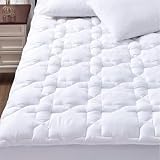
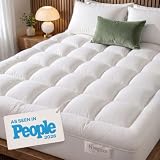

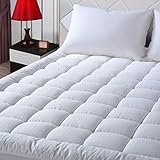
At a glance
| Pad | Best for | Details reviewers cite | Trade-off |
|---|---|---|---|
| Saatva Organic Cotton | Premium, plush feel | GOTS-certified organic cotton top, 300 thread count, deep sides fitting mattresses up to 16 inches (Sleep Foundation, Sleepopolis) | Premium tier |
| Birch Organic | Layered protection | Three breathable cotton layers, spill protection, Fair Trade certified, machine washable (Mattress Clarity, Sleepopolis) | Mid-to-premium tier |
| Coyuchi Organic Cotton Quilted | General cotton pick | Wins MattressVetted’s cotton list | Premium tier |
| Naturepedic Organic Cotton Quilted | Thick, plush organic | GOTS certification, noted by MattressVetted | Heavier to wash |
| Linenspa Quilted Cotton | Soft, durable stitching on a budget | Top quilted pick at MattressVetted | Not organic |
| The Company Store Company Cotton | Value | Sleep Foundation’s best value pick | Less plush |
| Sijo TempTune | Cooling | Sleep Foundation’s cooling pick | Specialty fabric blend, not simple cotton |
| EASELAND cotton pillow top | Deep mattresses | Cotton top and a 21-inch pocket listed | Thicker fill traps heat for some |
Specs here are attributed to the outlets named, not independently measured. Maker listings change, so confirm fabric and size details on the product page.
Mattress pad versus protector versus topper
A pad adds a thin layer of cushioning and light protection, a protector is mainly a waterproof or water-resistant barrier, and a topper is a thick layer of foam, latex or fiber that changes how firm the bed feels. If spills or allergens are the concern, a protector may serve better. If you want softness and a cleaner surface that is easy to wash, a cotton pad fits.
How to choose a cotton mattress pad
Organic versus conventional cotton
GOTS certification, which Saatva and Naturepedic carry per reviewers, means the cotton and processing meet an organic textile standard. Conventional cotton pads cost less and can be just as comfortable. Choose organic if materials matter to you.
Thread count is not everything
A 300 thread count is cited for the Saatva pad. In padded products, the fill and quilting matter more than a headline thread count.
Pocket depth
Measure your mattress including any topper already on it. Deep-pocket pads list sizes such as 16 inches and 21 inches. Too shallow a pocket pops off the corners.
Fill and loft
Plush quilted designs add cushion but run warmer. Thin cotton terry or a flat weave sleeps cooler. Hot sleepers should read the fill description and look at cooling-oriented options.
Anchoring and fit
Most pads use elastic skirts. Some add corner straps. Elastic that is too tight can bunch the pad on a soft mattress.
Care
Machine-washable pads save time, but check the label for temperature and drying guidance. Cotton can shrink, so follow the care label exactly and avoid high heat unless the maker allows it.
Decision table
| Pick this if you… | Choose |
|---|---|
| Want the most-cited premium organic option | Saatva Organic |
| Want spill-aware layered cotton | Birch Organic |
| Prefer a traditional quilted look | Coyuchi or Linenspa |
| Want a thick, plush organic feel | Naturepedic quilted |
| Sleep hot | Sijo TempTune or a thin terry pad |
| Have a mattress with a topper | EASELAND deep-pocket pillow top |
| Are on a strict budget | The Company Store Company Cotton or a cotton terry pad such as ExceptionalSheets |
Alternatives
- Waterproof cotton-top protector: A protector with a cotton surface gives you spill resistance with a familiar feel.
- Wool pad: Often cited as temperature regulating, though it costs more and needs gentler care.
- Latex or foam topper: Changes firmness rather than just adding a soft layer.
- Cotton duvet-style pad: Some people use a washable cotton comforter underneath the fitted sheet.
Common mistakes
- Ignoring mattress depth plus topper depth.
- Expecting a thin pad to fix a worn-out mattress. Persistent back pain deserves a conversation with a doctor.
- Washing with fabric softener, which can reduce breathability.
- Buying a heavily filled pad for a hot bedroom.
- Skipping the care label and shrinking the pad.
Fabric and construction details
Cotton pads come in a few constructions. Quilted pads stitch a batting layer between cotton sheets, which gives a cushioned feel and holds the fill in place. Terry pads use looped fibers like a towel, absorb moisture and sleep cooler, though they feel less smooth under a sheet. Pillow-top pads add a thicker, stitched-in cushion and are the warmest and softest of the three. Sateen or percale tops affect how the pad feels against your sheet, so think about whether you want a crisp or silky surface.
Sleep position and comfort
MattressVetted points side sleepers to the Saatva Organic for pressure relief, since a little extra cushioning helps at the shoulders and hips. Back and stomach sleepers usually prefer a thinner pad so the mattress keeps its support. If you have ongoing pain, a pad is not a medical solution, so talk to a doctor or physiotherapist.
Care routine that helps a pad last
Wash on the temperature the label allows, use mild detergent and skip fabric softener. Dry on low and remove promptly to limit wrinkles. Rotate the pad when you rotate the mattress, and spot-clean spills early. Replace the pad when the fill goes flat or lumpy.
Frequently Asked Questions
Is a cotton mattress pad worth it?
It adds a washable layer between you and the mattress and slightly softens the surface. It will not replace a worn mattress, but it keeps the bed cleaner.
Are organic cotton pads better?
They carry certifications such as GOTS for materials and processing. Comfort differences are small, so the choice is mostly about material preferences and budget.
Will a cotton pad sleep cool?
Thin, breathable weaves such as terry sleep cooler than heavily quilted fills. Cooling-specific designs exist, like the Sijo TempTune that Sleep Foundation lists.
How often should I wash a mattress pad?
Many makers suggest washing every month or two, and sooner after spills. Follow the specific care label for temperature and drying.
How do I know the pad will fit?
Measure the mattress from the bed surface to the underside, adding any topper. Choose a pad whose stated pocket depth is at least that measurement.
Can a mattress pad replace a topper?
Not for firmness changes. A pad adds light cushion, while a topper made of foam or latex changes how firm the bed feels.





Write Your Review
No reviews yet. Be the first to share your experience!