

If terms like 30 series, 40 series, and 50 series leave you puzzled, this is GPU generations explained in plain English. A GPU generation is simply a family of cards released together, and knowing how they differ is the key to buying smart. Unsure whether an older generation is a bargain or a trap? This guide breaks it all down, so in a few minutes you will understand what each generation brings and how to choose wisely.
As an Amazon Associate we earn from qualifying purchases at no extra cost to you.


What a GPU Generation Actually Is
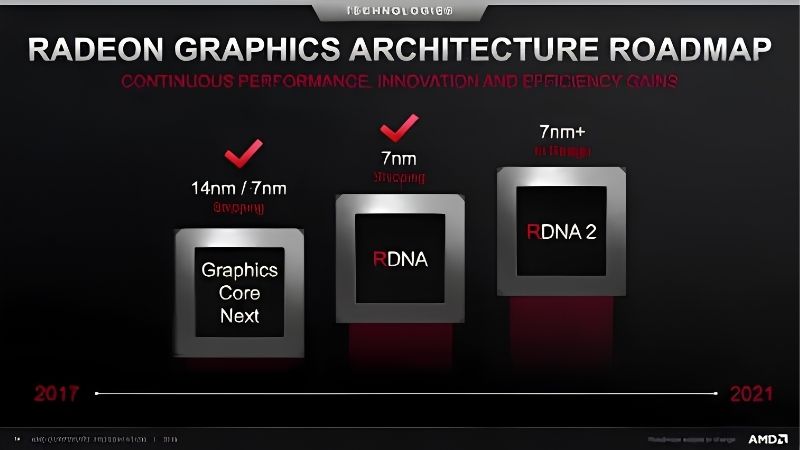
A GPU generation is a family of graphics cards built on the same underlying design and released around the same time. Understanding how generations work is the foundation for comparing cards and spotting genuine value versus false economy.
How Generations Are Numbered
Nvidia numbers its generations in a clear pattern, usually shown in the first part of a card’s name. An RTX 4070 belongs to the 40 series, while an RTX 5070 belongs to the newer 50 series.
A higher generation number means a newer family. So the 50 series is more recent than the 40 series, which is more recent than the 30 series, and this order reflects when each launched.
The generation is the first thing to read in a name. It sets the context for everything else, telling you which era of technology a card belongs to before you even look at its tier, which is why experienced buyers always glance at it first.
What Each New Generation Brings
Every new generation typically improves on the last in several ways. Newer cards usually offer more performance, better efficiency, and upgraded features than the equivalent tier from the previous generation.
Efficiency gains are easy to overlook but valuable. A newer generation often delivers the same performance for less power and heat, which means lower running costs and easier cooling.
Feature upgrades matter too. New generations frequently improve technologies like DLSS, so a newer card can gain capabilities that an older one simply cannot match regardless of raw power.
This last point is often the deciding factor for buyers weighing a bargain older card against a newer one. Because features like DLSS can dramatically improve real-world performance in supported games, a newer generation’s software advantages sometimes outweigh a modest gap in raw power. A newer card might match an older one on paper yet feel considerably smoother in modern titles thanks to a better version of these technologies. When comparing generations, then, it pays to look beyond the headline performance figures and consider which features each generation unlocks, because those features increasingly shape how a card actually performs in the games people play today.
Comparing Tiers Across Generations
The same tier changes meaning across generations. A 70-tier card in a newer generation is usually faster than a 70-tier card in the previous one, thanks to the improvements each generation brings.
The table below shows how generations line up:
| Generation | Example card | Roughly targets |
|---|---|---|
| 30 series (older) | RTX 3070 | Solid 1440p |
| 40 series | RTX 4070 | Strong 1440p, DLSS boost |
| 50 series (newer) | RTX 5070 | 1440p to entry 4K |
This is why a newer mid-tier card can sometimes match an older higher-tier one, which is essential to know when comparing options and hunting for the best value across generations.
Using Generations to Buy Smart
Knowing how generations work turns confusing choices into confident ones. The right generation for you depends on your budget, your needs, and the current state of pricing, so let us break it down.
When a Newer Generation Is Worth It
A newer generation is worth it when you want the best features and longevity. If you care about the latest version of DLSS or want a card that stays capable for years, the newest generation is the safer bet.
It also makes sense for demanding gaming. Higher resolutions and modern titles benefit most from the extra performance and efficiency a new generation brings, so serious gamers usually favour the latest cards.
For future-proofing, newer is generally better. A recent generation is far less likely to feel outdated soon, which protects your investment over the life of the card.
The longevity argument grows stronger the longer you intend to keep a card. If you upgrade frequently, the gap between generations matters less, because you will replace the card before its age becomes a real limitation. But if you are the kind of buyer who wants a single card to last many years, starting with the newest generation buys you the most runway before demanding new games begin to strain it. In that sense, the extra cost of a current-generation card is really an investment in extra years of comfortable gaming, which for long-term owners often works out cheaper per year than repeatedly buying older bargains.
When an Older Generation Is a Smart Buy
An older generation can be a genuine bargain. Once a new generation launches, previous cards often drop in price, offering strong performance for less money if you do not need the newest features.
This suits budget and 1080p builds well. A previous-generation card frequently delivers everything a 1080p gamer needs at a lower cost, making it a sensible, money-saving choice.
Just check what you are giving up. An older card may miss the newest features or run less efficiently, so weigh the saving against those trade-offs before buying.
The sweet spot for older-generation value is usually the moment just after a new generation launches. At that point, retailers and sellers are clearing previous stock, and the older cards can offer excellent performance at reduced prices while still being recent enough to support important features. The further back you go, however, the more you risk missing key technologies and running into higher power draw for the same performance. A sensible rule is to consider the generation immediately before the current one as the prime bargain territory, treating much older cards with more caution unless the price is genuinely exceptional and your needs are modest.
Prices, Timing and Buying in 2026
Pricing strongly affects which generation is the best value, and prices have trended upward, driven largely by memory costs feeding through the supply chain. The encouraging news is that the sharp climb of late 2025 has flattened into a stretch of relative stability, even as makers warn prices could move again.
A real drop is not close. New memory supply is coming, including Chinese DDR5 sources and two Micron plants under construction in Idaho, but those plants are not expected to run until 2027 or 2028. With prices plateaued rather than falling, waiting for a cheaper card is unlikely to pay off.
Given that, buying the right generation now beats waiting. Whether you choose the newest cards or a well-priced older generation, compare current prices through the links on this page and secure the best value before prices shift again.
How to Pick the Right Generation for You
With generations decoded, choosing the right one becomes a simple process. A few honest checks lead you to the card that fits your games and your budget.
Match the Generation to Your Needs
Start with what you actually need. If you want the newest features and long-term peace of mind, lean toward the latest generation, while budget-focused 1080p gamers can happily consider an older one.
Your resolution guides the decision too. Higher resolutions benefit more from a new generation’s performance and efficiency, while 1080p gaming is well served by previous generations at a lower price.
Be honest about your priorities. Deciding whether features and longevity or upfront saving matters more is the key to choosing the right generation confidently.
It can help to put a rough weighting on those priorities before you shop. If long-term peace of mind and the newest features sit at the top of your list, that points clearly toward a current-generation card even at a higher price. If squeezing the most performance from a limited budget is your main concern, a well-chosen older card moves to the front. Most buyers fall somewhere between these poles, and simply naming which side you lean toward makes the decision far easier, because it turns a vague comparison into a clear question of which generation best serves the priority you have already identified as most important to you.
Compare Real Value, Not Just Age
Do not assume newer is always the best value. Compare the actual performance and price of specific cards, since a discounted older card can sometimes offer better value than a pricier new one.
Check performance against price for each option. This simple comparison reveals which generation genuinely gives you the most for your money right now.
A practical way to do this is to shortlist a couple of candidates from different generations at your budget, then compare how each performs in the specific games and resolution you care about. Often you will find that the choice is closer than the marketing suggests, with an older card offering most of the performance for noticeably less money, or a newer card justifying its price through features and efficiency. Either way, making the comparison yourself with real figures rather than assuming the newest option is automatically best is what separates a confident, money-smart purchase from an impulse buy you might later regret.
Ready to compare and choose? Use the links on this page to check current prices across generations, and pick the card that offers the best value for how you actually game.
Remember the Rest of Your System
A newer card needs a capable system to shine. Ensure your processor and power supply can support your chosen card, since a strong card in a weak build will underperform.
Cooling matters too. A more powerful card can run warmer, so good case airflow helps it perform at its best throughout long sessions.
Plan the whole build. Confirming your system supports your chosen card is the final step to turning smart generation choices into a genuinely great gaming experience.
See More:
Conclusion
With GPU generations explained, terms like 40 series and 50 series become a clear guide to a card’s era, performance, and features. Newer generations bring more power, efficiency, and better features, while older ones can be smart bargains once prices drop, so match your choice to your resolution, budget, and how long you plan to keep the card rather than chasing the newest name on instinct. With prices flat rather than falling, there is little reason to wait, so use the links above to compare cards across generations and secure the best value for your next build.
Frequently Asked Questions
Which Nvidia generations are still worth buying in 2026?
Ada Lovelace (RTX 40-series) and Blackwell (RTX 50-series) are the sensible targets because both support DLSS upscaling, hardware ray tracing and AV1 encoding. Ampere (RTX 30-series) remains usable on the used market but lacks optical flow frame generation, and Turing or Pascal cards now struggle badly in modern titles at anything above 1080p medium.
How do I tell which generation a card belongs to from its name?
The leading digits identify the generation: 10-series is Pascal, 16 and 20-series are Turing, 30-series is Ampere, 40-series is Ada Lovelace and 50-series is Blackwell. The trailing two digits describe the performance tier inside that family, so a 5060 sits below a 5070, which sits below a 5080 and 5090.
Is an older 40-series card better value than a new 50-series card?
Often yes on the used market, because a discounted RTX 4070 Super or 4080 can match a newer mid-tier card in raw rasterisation for less money. The trade-off is that Blackwell adds newer DLSS transformer models, multi frame generation, GDDR7 memory bandwidth and DisplayPort 2.1b output, which matter most for high refresh and 4K displays.
Do older generations still receive driver updates?
Nvidia keeps recent generations on the mainline Game Ready branch, while much older architectures such as Maxwell, Pascal and Volta have been shifted to a legacy security-only branch. That means no new game optimisations or feature backports, so an old card will progressively lose performance in newly released titles even though it still boots and runs.
Does a newer generation always mean more VRAM?
No. Nvidia often keeps the same memory capacity within a tier across generations, which is why 60-class cards sat at 8GB for several launches. Bus width and memory type change more than capacity, so always check the exact spec sheet rather than assuming a newer badge automatically brings a bigger frame buffer for high resolution textures.
Ready to decide? Our #1 pick for 2026 is the 30 series (older).
Live price & availability on Amazon.



Write Your Review
No reviews yet. Be the first to share your experience!