
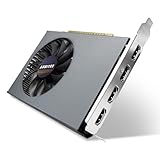
- Top Pick: maxsun GeForce RTX 3050 6GB Graphics Cards GDDR6 Video Graphics Card GPU for Gaming PC Mini Small Form Factor SSF Slim Low Profile Design PCI Express 4.0, HDMI 2.1, DisplayPort 1.4a
- Best Value: ASRock Intel Arc A380 Challenger ITX 6GB OC, 2250MHz GPU, 6GB GDDR6 96-bit, PCIe 4.0, Single Fan, 0dB Silent, DP 2.0, HDMI 2.0b
- Premium Choice: maxsun GEFORCE GTX 1050 Ti 4GB GDDR5 128 Bit Video Gaming Graphics Card for Gaming PC Mini Small Form Factor SSF Slim Low Profile Design GPU, DisplayPort, HDMI (Low Profile)

Prime
Best Seller
Sparkle Intel Arc A310 ECO, 4GB GDDR6, 50W TBP, Short Bracket is Included, Low-Profile, Single Fan, Single Slot, HDMI x1, Mini DisplayPort x2, SA310C-4G


A single slot GPU solves a problem that no amount of raw power can fix on its own: fitting real graphics into a case that simply has no room for a chunky triple-slot card. Whether you are building a compact home server, a slim office PC, or a tidy small-form-factor rig, the width of the card matters as much as its speed. This review breaks down what single-slot cards can realistically do, their true dimensions, and which ones are worth your money.
As an Amazon Associate we earn from qualifying purchases at no extra cost to you.





What a Single Slot GPU Really Offers
The appeal is simple: a card that occupies just one expansion slot leaves room for everything else and slides into cases that reject standard cards outright. But that thin profile forces engineering compromises, so it pays to understand exactly what you are trading away before you buy.
Slot Width, Height and Why They Differ
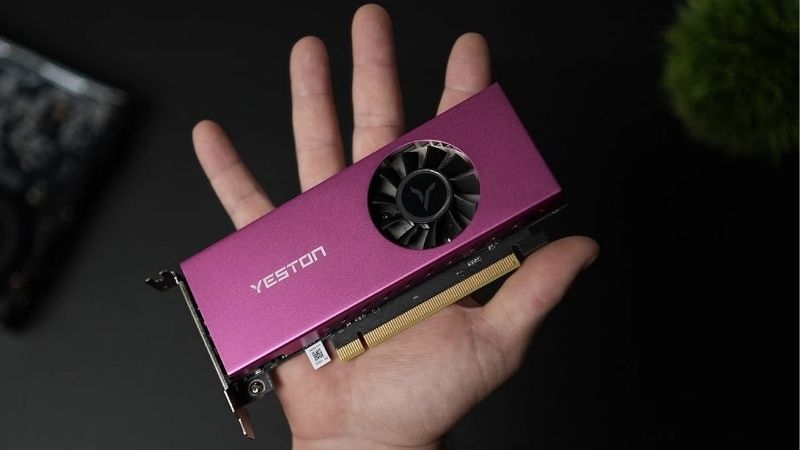
Slot width and card height are two separate measurements that people often confuse. A true single-slot card uses a cooler no thicker than one expansion slot, while height refers to whether it is full-height or low-profile for slim chassis. A card can be single-slot yet full-height, or low-profile yet dual-slot.
For the tightest builds you may need both properties at once. Small servers and ultra-slim desktops frequently demand a single-slot, low-profile card, and only a handful of models satisfy both. Checking your case manual for the exact clearance in millimetres before buying avoids the most common and most frustrating return.
The practical rule is to measure first and shop second. Note the maximum card length, height, and thickness your case accepts, then filter listings against all three, because a card that clears two dimensions but not the third still will not fit.
Watch the marketing language, too. Manufacturers sometimes label a card compact or slim when only one dimension is reduced, so a low-profile card can still be dual-slot, and a single-slot card can still be long. Trusting the exact millimetre figures in the spec sheet rather than the headline description is the surest way to avoid an expensive mismatch.
Realistic Performance Expectations
A single cooling slot limits how much heat a card can shed, which in turn caps how powerful the chip inside can be. As a result, single-slot cards cluster in the entry to mid-range tier rather than the high end, and that is a physical reality rather than a marketing choice.
That does not make them weak for the right job. A modern single-slot card comfortably handles esports titles, older games, media playback, light creative work, and server tasks like transcoding or virtualisation. Expectations, not the card, decide satisfaction here, and set correctly they are almost always met.
If you are chasing 4K ultra gaming, a single-slot card is the wrong tool. If you want quiet, compact, dependable graphics for a focused purpose, it is exactly right.
It also helps to think in terms of the whole system rather than the card alone. In a small server or slim desktop, the graphics card usually supports the machine rather than defining it, handling display output, light acceleration, or transcoding while the processor does the heavy lifting. Judged against that realistic role, a single-slot card rarely feels underpowered, because it is being asked to do exactly what it was designed for.
Single Slot GPU Pros and Cons
Here is the honest balance sheet before you commit to the thin-profile route:
Pros:
- Fits slim cases and small servers that reject larger cards.
- Leaves neighbouring slots free for other expansion cards.
- Often lower power draw, easing cooling and power supply needs.
Cons:
- Limited to entry and mid-range performance.
- Can run warmer or louder under sustained load.
- Fewer models to choose from, so stock can be tight.
The trade is clear: you accept a performance ceiling in exchange for fitting somewhere a normal card never could, which for many builds is the only thing that matters.
Choosing the Best Single Slot GPU for Your Build
With the category understood, the next step is matching a specific card to your case, your workload, and your power supply. Owner feedback and spec sheets both point to a short list of reliable choices, grouped here by the job you need done rather than by brand.
Best Picks by Use Case
For compact workstations and servers, professional single-slot cards such as the Nvidia RTX A2000 are the classic answer, pairing a genuinely single-slot, low-profile design with strong efficiency. They cost more than gaming cards but fit where almost nothing else will.
For light gaming in a slim case, low-power consumer cards in single-slot or low-profile form deliver smooth esports and older-title performance without a power connector in many cases. These are the value sweet spot for a tidy living-room or office build.
There is also a middle ground for home-lab enthusiasts who want a single card to game a little and work a lot. Here the priority shifts to driver stability and efficiency over peak frame rates, since the card may run for days handling background tasks between gaming sessions. Choosing a well-supported model matters more than chasing the last few frames, because reliability is what you will actually notice over months of mixed use.
Matching the pick to the task is everything. The table below summarises the categories so you can shop with intent:
| Use case | Card type | Priority spec |
|---|---|---|
| Compact server / workstation | Pro single-slot (e.g. RTX A2000 class) | Efficiency, drivers |
| Slim office / HTPC | Low-profile consumer card | Size, quiet cooling |
| Light SFF gaming | Single-slot mid-range | Performance per watt |
What Owners Praise and Complain About
Highly rated single-slot cards win praise for doing the impossible: bringing capable graphics to a build that had no space for them. Owners of small servers and slim desktops repeatedly describe relief at finally fitting a proper card, plus appreciation for the low power draw and quiet running.
The common complaints are predictable given the physics. A minority report higher temperatures or fan noise under long, heavy loads, and some wish more powerful options existed. These are the natural costs of squeezing a card into one slot, and buyers who chose the right model for their workload rarely raise them.
Reading the reviews as a whole, satisfaction again tracks expectations more than hardware. Owners who bought a single-slot card understanding its ceiling, and who matched it to a suitable case and task, are overwhelmingly positive. The unhappy few are usually those who hoped a thin card would deliver flagship gaming, a mismatch of expectation rather than a fault of the card itself.
Matching Power and Cooling to Your Case
Confirm two things beyond size: the power connector and the case airflow. Many single-slot cards draw all their power from the slot and need no extra cable, which is ideal for small builds with modest power supplies, but some mid-range models still require a connector, so check before buying.
Airflow matters more in thin cases because a single-slot cooler has less room to work. A case with even one well-placed fan keeps temperatures and noise in check, turning a card that might run warm in a sealed box into a quiet, steady performer.
Plan these details together with the card choice rather than after, since a mismatch here is what pushes an otherwise good build into the frustrating column.
Buying a Single Slot GPU in Today’s Market
Because single-slot cards are a niche category, availability and pricing swing more than for mainstream models, which makes timing part of the decision. Reading the current market alongside your build plan helps you buy the right card without overpaying or waiting in vain.
Prices, Stock and Timing in 2026
Graphics cards and their components have trended upward, driven largely by memory costs feeding through the supply chain. The better news is that the sharp climb of late 2025 has flattened into a period of relative stability, even as makers caution that prices could move again.
A genuine drop is not close. New memory supply is coming, including Chinese DDR5 sources and two Micron plants under construction in Idaho, but those plants are not expected to run until 2027 or 2028. With prices plateaued rather than falling, holding out for a cheaper single-slot card is unlikely to pay off.
Because niche cards can also sell out unpredictably, buying the right model when you see it in stock is often wiser than waiting for a deal that may never arrive at this end of the market.
How to Match the Card to Your Power Supply
Size the power supply to the whole system, not just the card. Many single-slot cards are so efficient that a modest supply is plenty, which is part of their appeal for small builds, but confirm total system draw before finalising.
If your chosen card needs a power connector, verify your supply actually has it, since compact builds sometimes use smaller units with limited cabling. A quick check here prevents an easy oversight from stalling the whole build, and it is far cheaper to confirm now than to order an adapter or a new supply after the parts arrive.
Final Recommendation and Next Step
For most compact builds, decide first whether you need low-profile as well as single-slot, then pick the most efficient card that clears your case and suits your workload. That order of priorities almost always leads to a setup you will be happy with for years.
Do not skip the boring compatibility checks in the excitement of building. A quick confirmation of the card’s length against your case, its power connector against your supply, and its bracket height against your slot opening takes minutes and prevents the vast majority of build-day disappointments. In a niche category where the right card can be hard to find, getting these details right the first time is well worth the small effort.
Ready to fit real graphics into a tight space? Compare current prices, dimensions, and stock on the recommended single-slot and low-profile cards through the links on this page, and secure the right one before it sells out or prices shift again.
See More:
Final Thoughts
A single slot GPU is the key to building capable, quiet, compact machines that a standard card would never fit, as long as you match the card to your case and your workload. Measure your clearance, favour efficiency, and choose the model built for your specific job. With prices flat rather than falling and niche stock unpredictable, there is little reason to wait, so use the links above to secure the right single slot GPU for your build today.
Frequently Asked Questions
Why would I want a single-slot card?
Single-slot designs let you fit multiple GPUs into a workstation for rendering or AI, free up adjacent slots for capture cards and network adapters, or squeeze a graphics card into a chassis with only one usable expansion opening. They are a compatibility choice rather than a performance one.
What single-slot options are available?
The mainstream choices are professional workstation cards, which are designed around single-slot blower coolers and modest power limits, plus a few entry-level consumer and Intel Arc boards. A small number of specialist vendors also produce single-slot versions of mid-range consumer cards, though distribution outside Asia is limited.
How hot do single-slot cards run?
Hotter and louder than dual-slot equivalents at the same power, because the heatsink volume is roughly halved. Most use a radial blower that exhausts directly out of the case, which keeps other components cool but produces a distinctive high-pitched noise under load that many users find intrusive.
Can water cooling turn a normal card into a single-slot card?
Yes. A full-cover water block replaces the air cooler and typically brings the card down to a single slot or slightly more, while dramatically improving temperatures. The downsides are cost, the need for a loop and radiator space, and the fact that fitting a block usually affects the warranty.
Is the performance sacrifice worth it?
If you genuinely need the slot, yes, since the alternative is no discrete graphics at all. Expect to give up roughly one to two performance tiers compared with a dual-slot card at the same price, plus higher noise. For a normal single-GPU build with slot room available, avoid the compromise.
Ready to decide? Our #1 pick for 2026 is the Compact server / workstation.
Live price & availability on Amazon.


Write Your Review
No reviews yet. Be the first to share your experience!