
- Top Pick: Alienware X16 R2 Gaming Laptop – 16-inch QHD+ 240Hz 3ms Display, Intel Core Ultra 9-185H, 32GB LPDDR5X RAM, 1TB SSD, NVIDIA GeForce RTX 4080 12GB GDDR6, Windows 11 Home, Onsite Service – Lunar Silver
- Best Value: Alienware M18 R2 Gaming Laptop – 18 QHD+ 165Hz 3ms Display, Intel Core i9-14900HX, 32GB DDR5 RAM, 1TB SSD, NVIDIA GeForce RTX 4080 12 GB GDDR6, Windows 11 Home, Onsite Service – Dark Metallic Moon
- Premium Choice: Lenovo Legion Pro 7i Gen 9 16" Gaming Laptop (2024 Model) Intel Core i9-14900HX 24C, NVIDIA GeForce RTX 4090 16GB, 32GB RAM, 2TB (1TB+1TB) NVMe SSD, 16.0" IPS QHD+ 500 nits 240Hz, Windows 11 Home


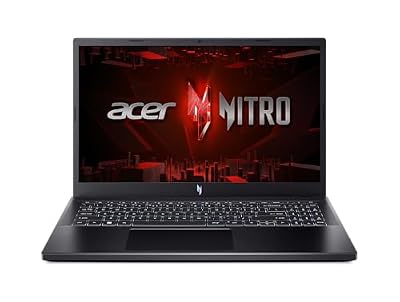

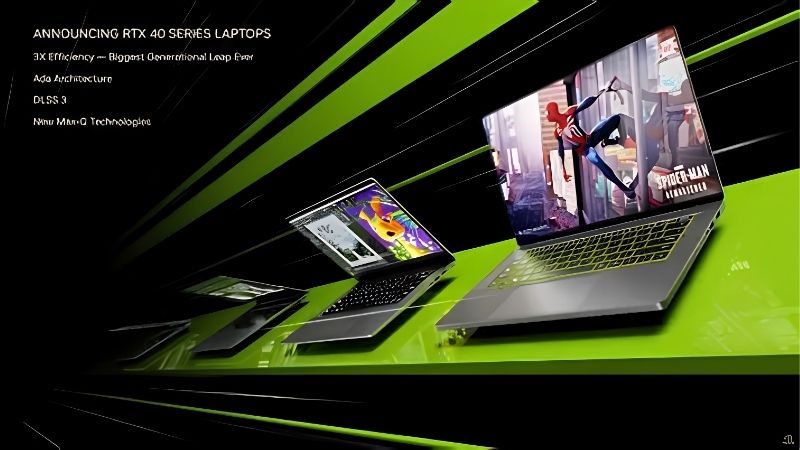
RTX 4080 laptop vs 4090 laptop is the question every buyer at the top of the Ada Lovelace stack eventually faces, because these two mobile flagships sit close on paper yet far apart on price. The 4080 brings 7,424 CUDA cores and 12GB of GDDR6 on a 192-bit bus, while the 4090 pushes to 9,728 cores and 16GB on a 256-bit bus. This comparison breaks down whether the 4090’s premium delivers proportional gains, or whether the 4080 is the smarter high-end choice for most laptop gamers in 2026.
The Quick Verdict
For readers who want the answer immediately, the split is clean and predictable. The decision hinges on resolution, budget headroom, and how much you value future-proofing over raw value.
As an Amazon Associate we earn from qualifying purchases at no extra cost to you.




Who Wins At A Glance
The RTX 4090 laptop wins outright on peak performance, VRAM capacity, and 4K-class headroom, making it the choice for uncompromising buyers. The RTX 4080 laptop wins on value, running cooler and costing meaningfully less while still handling 1440p at high refresh with ease.
If you game at 1440p and want the best performance per dollar, the 4080 is the pragmatic winner. If you want maximum frames at 4K and plan to keep the machine for years, the 4090 justifies itself. You can compare current configurations of both through the links on this page.
The One-Sentence Recommendation
Most buyers are better served by the RTX 4080 laptop, which captures the bulk of flagship performance for a smaller outlay. The 4090 is for those who treat the budget as secondary to having the fastest mobile GPU available.
That framing matters because the price gap between these two often exceeds the performance gap, a recurring theme in flagship comparisons that rewards careful analysis over impulse.
The Comparison Table And Core Specs
Numbers anchor any honest face-off, so the specifications below establish the baseline before the feature analysis. Both cards share the Ada Lovelace architecture and DLSS 3 Frame Generation, which narrows the experiential gap more than the raw figures imply.
Side-By-Side Specifications
| Specification | RTX 4080 Laptop | RTX 4090 Laptop |
|---|---|---|
| CUDA Cores | 7,424 | 9,728 |
| VRAM | 12GB GDDR6 | 16GB GDDR6 |
| Memory Bus | 192-bit | 256-bit |
| TGP Range | 60-150W | 80-150W |
| Architecture | Ada Lovelace | Ada Lovelace |
| DLSS | DLSS 3 (Frame Gen) | DLSS 3 (Frame Gen) |
The 4090 holds roughly 31 percent more CUDA cores and 33 percent more VRAM, with a wider memory bus that aids high-resolution texture streaming. These are meaningful gaps, but real-world scaling rarely matches the core-count difference one to one.
Reading The Numbers Correctly
The wider 256-bit bus on the 4090 is its most underrated advantage, because memory bandwidth often gates performance at 4K more than core count does. The 4080’s 192-bit bus is ample for 1440p but becomes the limiting factor as resolution climbs.
Both cards top out at 150W TGP, which means a well-cooled 4080 and a power-limited 4090 can land closer than expected. Chassis design, not just the silicon, shapes the final result.
The Power And Thermal Reality
Because the 4090 carries more cores at the same 150W ceiling, it can run closer to its limits in thin chassis, sometimes throttling. The 4080’s lighter load often allows quieter, cooler operation in the same laptop body.
This is a practical consideration buyers overlook: a 4090 in a slim laptop may not outrun a 4080 in a thicker, better-cooled one. Always check the specific machine’s TGP and thermal design.
The Deep Dive Face-Off
Beyond the spec sheet, the two diverge across performance, VRAM longevity, and Nvidia’s AI feature set. Each criterion reveals where the 4090’s premium earns its keep and where the 4080 closes the gap.
Performance Across Resolutions
At 1440p, the 4080 and 4090 often land within 15 to 20 percent of each other, since both have headroom to spare at that resolution. The gap widens to 25 to 30 percent at 4K, where the 4090’s extra cores and bandwidth stretch their legs.
For high-refresh 1440p gaming, the 4080 delivers a flagship experience that few will find lacking. The 4090’s advantage becomes obvious only when you push native 4K or run the most demanding ray-traced titles.
The VRAM And Future-Proofing Angle
The 4090’s 16GB buffer is its strongest long-term argument, since modern titles increasingly demand more than 12GB at high settings. The 4080’s 12GB is sufficient today but offers less margin as games grow heavier.
This is where the experimental dimension enters: with DLSS 3 Frame Generation active, both cards lean on Nvidia’s AI pipeline to multiply frames, but the heavier internal buffers of frame generation favor the 4090’s larger memory pool at 4K.
DLSS 3 And Nvidia’s AI Edge
Both flagships support DLSS 3 Frame Generation, the Ada-exclusive feature that inserts AI-generated frames to lift smoothness in supported titles. This technology narrows the practical gap, because both can boost frame rates dramatically in compatible games.
The 4090 pairs frame generation with more raw horsepower, so its base frame rate before AI assistance is higher, compounding the benefit. Still, the 4080 with DLSS 3 enabled remains a formidable performer that satisfies the vast majority of players.
The Alternative, Pricing Climate And Final Verdict
If neither flagship fits cleanly, a step down may serve you, and the current market should shape your timing. This section covers the alternative, the pricing backdrop, and the closing recommendation.
A Sensible Alternative
If both flagships strain the budget, the RTX 4070 laptop offers strong 1440p performance with the same DLSS 3 support at a far lower price. It sacrifices VRAM and raw cores but remains a capable high-refresh gaming option.
The alternative matters because the flagship premium is steep, and many players game at 1440p where the 4070 already excels. Stepping down one tier can free budget for a better display or more storage.
How Pricing And Supply News Shapes Timing
The market rewards decisive buyers right now. High-end gaming laptop prices have continued trending upward under tight memory supply, which inflates both 4080 and 4090 machines. The encouraging signal is that the steep late-2025 climb has eased, with some makers noting a period of relative stability, though they caution volatility persists.
Genuine relief is still distant. New DDR5 capacity is opening from suppliers such as CXMT, and Micron is building two plants in Idaho, but those will not ramp until 2027 to 2028. Because prices have only plateaued rather than fallen, waiting is unlikely to make either flagship cheaper in 2026.
Final Verdict And Recommendation
Buy the RTX 4090 laptop if you game at 4K, run demanding creative workloads, or want the longest VRAM runway. Buy the RTX 4080 laptop if you game at 1440p and want the best balance of performance, thermals, and price.
Both are elite, and neither disappoints; the right choice depends on your resolution target and how much the budget matters. Ready to decide? Compare current RTX 4080 and 4090 laptop deals through the links on this page.
Frequently Asked Questions
The RTX 4080 laptop vs 4090 laptop decision raises these common questions among high-end buyers.
How much faster is the RTX 4090 laptop than the 4080?
The RTX 4090 laptop leads by roughly 15 to 20 percent at 1440p and 25 to 30 percent at 4K, thanks to more cores and a wider bus.
The gap widens with resolution, so the 4090’s advantage is most visible in native 4K and heavy ray-traced titles.
Is the extra VRAM on the RTX 4090 laptop worth it?
The 4090’s 16GB buffer offers better long-term headroom than the 4080’s 12GB as games grow more demanding.
For 1440p gaming today the 12GB is ample, but 4K and future titles benefit from the larger pool.
Which laptop flagship is better value?
The RTX 4080 laptop captures most of the flagship experience at 1440p for considerably less money, making it the value pick.
The 4090 is for buyers who want maximum 4K frames and accept a steep premium for the top tier.
Matching The Flagship To Your Needs
The RTX 4080 laptop vs 4090 laptop decision sharpens when you weigh each card’s strengths and weaknesses. The 4080’s strengths are value, cooler thermals, and a capable 12GB buffer, while its weakness is thinner 4K headroom; the 4090’s strengths are raw power and 16GB of VRAM, while its weaknesses are a steep price and more heat. This section pairs each flagship with its ideal buyer.
Who Should Choose The 4080
The 4080 suits 1440p gamers who want flagship-tier performance without the flagship price, and who value cooler, quieter operation. Its 12GB buffer handles high-refresh 1440p with ease.
For buyers who rarely touch 4K, the 4080 captures most of the experience for considerably less money.
Who Should Choose The 4090
The 4090 fits 4K gamers, creators, and anyone who wants the deepest VRAM runway and maximum frames. Its 16GB buffer and wider bus give it lasting headroom.
For uncompromising buyers who treat budget as secondary, the 4090 remains the definitive Ada flagship.
Making The Final Choice
Let resolution lead: 1440p players are well served by the 4080, while 4K ambitions justify the 4090. Both share Ada Lovelace and DLSS 3.
Since the price gap often exceeds the performance gap, the 4080 is the value pick for most, with the 4090 reserved for those who want the absolute top.
See More:
The Bottom Line
The RTX 4080 laptop vs 4090 laptop verdict comes down to resolution and value: the 4090 is the uncompromising 4K champion with more VRAM, while the 4080 captures most of the experience at 1440p for considerably less. Both share Ada Lovelace and DLSS 3, so the gap is real but narrower than the spec sheet suggests, and with prices flat rather than falling, buying the tier that fits your resolution now is the wisest move.





Write Your Review
No reviews yet. Be the first to share your experience!