
The best running shoes without laces are the ones that match your run type: Skechers Slip-ins running models suit easy daily miles and walking, Nike’s FlyEase and EasyOn running designs suit people who want hands-free entry in a familiar road shoe, and Salomon’s Quicklace trail shoes suit runners who want a tight, adjustable fit without tying knots. For serious racing, a standard lace system or a quality lace-lock accessory on your favorite shoe is still the most dependable approach.
As an Amazon Associate we earn from qualifying purchases at no extra cost to you.
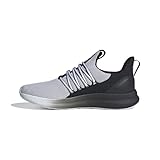

Laceless options explained
“Without laces” covers several different designs, and they behave differently on the run.
- Slip-in designs: A reinforced heel and wide opening let you step in without bending down. Skechers markets its Slip-ins range this way.
- Hands-free or easy-entry systems: Nike’s FlyEase and EasyOn styles use a heel or strap mechanism for hands-free entry.
- Pull-cord lace systems: Salomon’s Quicklace replaces knots with a cord and a lock you pull tight.
- Dial systems: Boa-style dials tighten with a twist and are found on some performance shoes.
- Elastic lace kits: Add-on products like Lock Laces or Xtenex turn a regular shoe into a slip-on.
Comparison table
| Shoe or system | Closure | Best for | Notes from makers and reviewers | Limits |
|---|---|---|---|---|
| Skechers GO RUN Slip-ins | Slip-in with heel pillar | Easy daily runs, walks, mobility needs | Maker lists hands-free step-in and cushioned midsoles | Less lockdown for fast or technical running |
| Skechers Max Cushioning Slip-ins | Slip-in | Higher cushioning, comfort-focused runs | Maker positions it for plush cushioning | Heavier feel than racers |
| Nike Pegasus EasyOn or FlyEase styles | Hands-free entry | Road runners wanting convenience | Maker offers easy-entry versions of familiar running shoes | Availability varies by year and size |
| Salomon Speedcross or Sense Ride with Quicklace | Pull-cord | Trail runners | Quicklace is a signature Salomon feature | Cord tuck and lock need care |
| Hoka and others with elastic laces | Pre-tied elastic | Triathletes and quick transitions | Several brands provide elastic laces on selected models | Check which models include them |
| Lock Laces on your current shoes | Elastic with lock | Keep a shoe you already like | Aftermarket kit, adjustable fit | May slip on long runs if not set carefully |
How to choose
Think about distance and speed
A slip-in shoe works well for short and easy runs. For long runs, tempo sessions or racing, you need confident heel lockdown and midfoot hold. Elastic or slip-in designs can allow a bit more movement than a conventional tied shoe, so test them over a short distance before relying on them for a long one.
Foot shape and volume
Without laces, you cannot fine-tune volume. If you have a narrow heel or high instep, a slip-in may feel loose or tight. Try different widths when the maker offers them, and use the brand’s size guide.
Cushioning and stability
Choose cushioning according to your habits. Max-cushion models can help with comfort but feel less nimble. Stability features should be chosen based on your gait; if you are unsure, a running shop or a podiatrist can advise.
Terrain
For trails, grip and security matter more, which is why Quicklace trail models are popular. For roads, a lightweight slip-in or easy-entry trainer is fine for easy runs.
Who benefits most
- Runners who struggle to bend or tie due to injury, arthritis or limited mobility.
- Triathletes who want quick transitions.
- Walkers and casual joggers who value convenience.
- Parents and travelers who want quick on-off shoes.
Pick X if you want this
| If you want… | Pick | Why |
|---|---|---|
| Easy-on comfort for daily miles | Skechers GO RUN Slip-ins | Purpose-built slip-in design |
| Plush cushioning | Skechers Max Cushioning Slip-ins | Higher stack for comfort |
| Familiar road trainer with hands-free entry | Nike easy-entry Pegasus styles | Known platform with easier access |
| Secure trail fit | Salomon Quicklace trail shoes | Fast, adjustable cord lockdown |
| Keep your favorite shoe | Elastic lace kit | Converts conventional trainers |
Budget tiers without prices
Budget: Skechers Slip-ins and elastic lace kits usually sit here, good for casual use.
Mid-range: Nike easy-entry trainers and Salomon trail shoes with Quicklace.
Premium: High-end trail and race shoes with advanced systems, though laceless options are less common in this tier.
Fit and break-in tips
- Try shoes later in the day when feet are slightly swollen.
- Walk and jog in the store or at home on a clean surface.
- Watch for heel slip, which suggests a different model or size.
- Wear the shoes for short runs first.
- Replace shoes as the maker or a running store suggests when cushioning feels flat or you notice new aches.
If you have foot pain, balance problems or a medical condition, talk with a doctor or podiatrist before changing your running shoes.
Common mistakes
- Choosing a slip-in for race day without trying it on a long run.
- Buying the wrong width because laces cannot compensate.
- Over-tightening a cord or elastic lock, causing pressure on the top of the foot.
- Assuming laceless means more support.
- Ignoring replacement mileage.
Care and maintenance
Slip-in heels and elastic cords wear differently from laces. Check the heel counter for collapse, since a soft heel makes slip-in designs harder to use and less secure. Wash following the maker’s instructions, usually by hand with mild soap and air drying away from direct heat, because heat can damage foams and adhesives. Rotate two pairs if you run often, which lets the midsole recover between sessions and helps you notice when one pair is wearing out faster. Elastic laces and cord locks can loosen over time, so replace them when they stretch. Trail runners should rinse grit from Quicklace housings to keep the lock moving smoothly. Finally, keep a standard laced pair for race day or long efforts, and use the laceless pair for easy days, recovery runs and errands.
Frequently Asked Questions
Are laceless running shoes good for real runs?
They are fine for easy and moderate runs when the fit is secure. For fast or long sessions, many runners prefer conventional laces or a locking system. Test any shoe on short runs first.
Do Skechers Slip-ins work for running?
The brand offers a GO RUN line designed for running and walking with a slip-in heel. They suit easy and daily runs, and you should check fit and heel hold before longer distances.
What is Quicklace?
It is a Salomon system using a thin cord and a pull lock instead of tied laces. It is common on trail shoes because it tightens quickly and avoids loose ends.
Can I convert my regular running shoes?
Yes, with elastic lace kits such as Lock Laces or Xtenex. Start with a snug but comfortable setting and test on short runs.
Are slip-in shoes safe for people with mobility issues?
They can make putting shoes on easier, but support and fit still matter. Ask a doctor or physical therapist if you have balance or foot conditions.
How long do running shoes last?
Makers and running stores often suggest a few hundred miles, though it depends on weight, surface and foot strike. Replace them when cushioning feels flat or you notice discomfort.





Write Your Review
No reviews yet. Be the first to share your experience!