
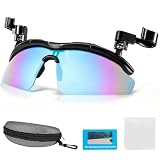
- Top Pick: Polarized Clip On Sunglasses, UV400 Clip to Hat Sunglasses for Fishing | Outdoor Polarized Sunglasses, Clip Cap Sports Sunglasses for Men Women Cycling Traveling Climbing Hiking Golf (Green)
- Best Value: Polarized Clip On Sunglasses, UV400 Clip Cap Sports Sunglasses for Fishing | Outdoor Polarized Sunglasses, Clip to Hat Sunglasses for Men Women Cycling Traveling Hiking Climbing Golf (Blue)
- Premium Choice: Polarized Clip On Sunglasses, UV400 Clip Cap Sports Sunglasses for Fishing | Outdoor Polarized Sunglasses, Clip to Hat Sunglasses for Men Women Cycling Traveling Hiking Climbing Golf (Brown)
Anglers who wear prescription glasses and want glare control on the water are usually best served by a magnetic clip-on such as the Crescent or the Hobie Bells Polarized clip-on, while budget buyers with simple frames can look at flip-up clip-ons like the WANGLY and CAXMAN styles, and anyone whose frames are awkward may do better with fit-over glasses than with any clip-on at all. The right answer depends on your frame shape, how much you care about a flush fit, and whether you want the lens to flip out of the way when you tie knots or check a map.
As an Amazon Associate we earn from qualifying purchases at no extra cost to you.



Quick Comparison: Clip-On Styles and Alternatives
| Option | Attachment style | Best for | Key points reported by reviewers or makers | Limits |
|---|---|---|---|---|
| Crescent clip-on | Integrated magnets plus a central hook | Anglers who want a flush, secure fit | Wired2Fish named it its best clip-on for fishing and notes it avoids the usual claw-style clips | Needs compatible frame shape; premium tier |
| Hobie Bells Polarized clip-on | Magnetic snap-on | Prescription wearers who want a proper fishing brand lens | Of Zen and Computing lists it as its prescription-friendly pick, with fully polarized lenses | Check frame size against the maker’s sizing guide |
| WANGLY flip-up style | Spring clip with flip-up lens | Budget buyers, spare pair in the tackle bag | Lamplure rates budget flip-ups highly and says they fit most glasses | Rated by an aggregator-style site; build quality varies |
| CAXMAN style clip-on | Clip with flip-up lens | Rimless or thin frames | Lamplure says this type suits many frame shapes, including rimless | Clips can be fiddly to remove |
| Cocoons fit-overs | Wraps over existing glasses | Anyone whose frames reject clip-ons | Recommended by a fishing forum poster who found clip-ons unsatisfactory | Larger and heavier than clip-ons |
| Snowbee Prestige Over-Spec | Fit-over with deep top frame | Bright-light river and salmon anglers | A forum poster notes the deep top frame clears existing specs and blocks side and top light | Bulky; forum source is a few years old |
Why Polarization Matters When Fishing
Light reflecting off the water becomes horizontally polarized, which is the glare that hides fish, weed lines, and structure. A polarizing filter blocks much of that reflected light so you can see into the water instead of at its surface. Fishing-focused outlets such as Outdoor Life and Wired2Fish treat polarization as the baseline feature for any pair of fishing sunglasses, and the same logic applies to a clip-on lens. The difference is that a clip-on gives you that filter on top of the glasses you already wear for distance or reading, so you do not need a separate prescription pair.
Keep in mind that polarization does not replace ultraviolet protection. Look for a maker statement about UV protection on the lens, and be cautious when a listing does not say. Polarization can also make some screens, such as a fish finder or a phone, appear dim or patchy at certain angles, which is a common trade-off reviewers mention for any polarized lens.
Magnetic Versus Spring Clip-Ons
Wired2Fish describes the Crescent as using integrated magnets and a central hook to hold the polarized lens flush against the frame, in place of the claw-style clips found on cheaper models. That matters on a boat. Claw clips tend to rest at an angle, leave a gap at the top, and can pinch the front of the frame. A flush magnetic design should sit closer to your eyes, which cuts down on stray light entering above and below the lens.
Magnetic systems have trade-offs. They normally rely on small magnets or metal attachment points fixed to the frame, so the clip-on is made for glasses that can accept them. Spring clip-ons, by comparison, grip almost any frame with an upper edge, which is why budget flip-ups are popular as a spare. If you wear thin metal frames, rimless glasses, or very curved wrap frames, read the maker’s fit notes before choosing either style.
Flip-Up Convenience
Flip-up clip-ons let you raise the lens without removing it. That is useful when you move from bright water to a shaded launch ramp, or when you need to read line markings. Lamplure’s budget list leans on this feature and also says such models fit most glasses. Treat that claim as a guide rather than a promise, because lens size and frame depth differ widely, and one buyer review on a retail listing complained that taking the glasses off and clipping on was awkward.
How to Choose: Fit and Size
Fit is the single biggest reason clip-ons disappoint. Work through these points before choosing a model.
- Measure your frame. Note the lens width and height of your current glasses, and compare them with the clip-on’s stated dimensions. A clip-on that is much smaller leaves the corners of your lens uncovered, and one that is much larger can ride up on your forehead or touch your cheeks.
- Look at frame material. Magnetic styles need the right attachment points. Spring clips work better on plastic or metal frames with a clear top edge.
- Check weight. Extra weight on the front of thin glasses can make them slide down your nose, particularly when you lean over a gunwale.
- Consider sizing options. Some clip-ons come in small and large sizes, and picking the smaller option for a narrow face may be more comfortable.
- Think about coverage. Clip-ons rarely block side light. If glare from the sides bothers you, a fit-over with a wide frame may suit you better.
Lens Color and Material
Lens tint changes what you see, and fishing reviewers often link tint to water type. Darker grey or smoky lenses cut brightness and keep colors natural, which works for open water and bright days. Amber, copper, or brown lenses boost contrast and are often suggested for shallow water, rivers, and sight fishing, while lighter tints suit overcast conditions. Not every clip-on offers a choice, and the cheapest models usually come in grey or a single tint. If a clip-on will be your only fishing lens, a mid-tone grey or copper is the safer all-round choice.
Materials matter for durability. Polycarbonate lenses are light and impact resistant, and many budget clip-ons use them. Glass lenses give crisp optics but are heavy, so they are rare in clip-on form. Scratches build up quickly when a clip-on is tossed in a tackle bag, so a hard case or pouch is worth having. Check whether the maker lists a scratch-resistant coating and whether a case is included.
Budget Tiers
Budget
Budget flip-up clip-ons such as the WANGLY and CAXMAN styles named by Lamplure are the easy entry point. They suit anglers who want to try polarized lenses over their glasses, need a spare, or fish occasionally. Expect lightweight plastic hardware and clips that may loosen over time. Reviews of products at this level are often written by aggregator sites or buyers, so treat glowing ratings with caution and look at fit complaints.
Mid-Range
The Hobie Bells Polarized clip-on sits in the more serious fishing-brand space. Of Zen and Computing lists it as a prescription-friendly option with a fully polarized lens and a magnetic snap-on design. This tier is a sensible choice if you fish regularly and want a better lens and more reliable attachment without paying for the top of the market.
Premium
The Crescent magnetic clip-on, named by Wired2Fish as its best clip-on for fishing, is the pick for anglers who care about a flush fit and a secure hold in rough water. Premium clip-ons give you the best chance of matching a dedicated sunglass experience, though they still cannot match the side coverage of a wrap frame.
Pick X If… Decision Table
| Pick this | If you |
|---|---|
| Crescent magnetic clip-on | Want the best-regarded flush fit and magnets over claws, and fish often in bright conditions |
| Hobie Bells Polarized clip-on | Wear prescription glasses and want a fishing-brand polarized lens that snaps on magnetically |
| WANGLY-style flip-up | Need a cheap, flip-up spare for a tackle bag or a rental boat day |
| CAXMAN-style clip-on | Have rimless or thin frames and want a spring clip that grips them |
| Cocoons fit-overs | Find clip-ons never sit right and want full coverage over your glasses |
| Snowbee Prestige Over-Spec | Fish bright rivers and want deep top and side shielding |
| Dedicated prescription sunglasses | Fish most weekends and prefer a single sealed pair with a wrap shape |
Alternatives to Clip-Ons
Fit-Over Glasses
A salmon fishing forum thread suggests that anglers who find clip-ons awkward often move to fit-over glasses. One poster recommended Cocoons, and another mentioned the Snowbee Prestige Over-Spec, whose deep top frame is said to clear existing glasses and block light from above and the sides. The thread is a few years old, so use it as background rather than a current buying list. Fit-overs are bulkier, but they cover more of the area around your eyes.
Prescription Polarized Sunglasses
If you fish often, a prescription pair avoids the stacking problem completely. Outdoor Life names the Bajio Nippers as its best overall fishing sunglasses, and Wired2Fish names the Costa King Tide 8 in the same role. These are regular fishing sunglasses rather than clip-ons, but both brands offer prescription options in many styles, so ask the maker about your prescription range.
Wrap Sunglasses Over Contacts
Anglers who can wear contact lenses sometimes skip prescription sunglasses entirely and wear a good wrap pair. If this fits you, speak with your eye care professional about contact lenses for time outdoors.
Common Mistakes
- Choosing a clip-on without checking the lens width, then finding the clips overhang or leave gaps.
- Assuming all clip-ons offer UV protection. Read what the maker states.
- Expecting a clip-on to block side glare the way a wrap frame can.
- Using a clip-on on an ill-suited frame, which can stress hinges or bend thin metal.
- Forgetting to carry a case, so the lens scratches in the tackle box.
- Buying a very dark tint for low-light or dawn fishing, where a lighter amber tone could be more useful.
Care and Safety Notes
Rinse salt and grit off lenses with fresh water before wiping them, and use a microfiber cloth rather than your shirt. Keep magnets away from credit cards and medical devices as the maker advises. If your clip-on rides loose, do not force it onto frames it was not designed for. A clip-on that pops off in a cast can be a hazard near hooks, so keep eyewear secure and consider a retainer strap. If your vision changes, or you have eye discomfort after long days on the water, see an eye care professional.
Frequently Asked Questions
Are clip-on polarized sunglasses as good as full fishing sunglasses?
They give you the main benefit, which is glare reduction, over the glasses you already wear. They usually offer less side coverage and a less precise fit than a dedicated pair, so many anglers treat them as a practical compromise or a spare.
Will a clip-on fit rimless or thin-framed glasses?
Some spring clip-ons are described by reviewers as suitable for rimless frames, but magnetic styles need compatible attachment points. Check the maker’s fit notes and frame measurements before you commit.
Which lens color is best for fishing?
Grey is a general all-round choice for bright open water, while amber or copper tones are often suggested for shallow water and sight fishing. If you can only have one clip-on, a mid-tone option is the safer pick.
Do polarized lenses make fish finders hard to read?
They can. Polarized lenses may darken or patch some digital screens depending on the viewing angle. Tilting your head or the screen often helps, and some anglers flip the lens up to read the display.
Are cheap flip-up clip-ons worth buying?
They make sense as a spare or a low-risk trial, and reviewers such as Lamplure rate them well. Expect lighter hardware and a looser fit over time, and look for a stated UV protection rating.
Can I use a clip-on instead of prescription sunglasses?
Many anglers do, and it saves the cost of a second pair. If you fish often or in demanding light, discuss a prescription polarized pair with your eye care professional.





Write Your Review
No reviews yet. Be the first to share your experience!