
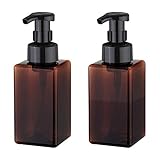
- Top Pick: UUJOLY Foaming Soap Dispenser, 450ml (15oz) Refillable Pump Bottle Plastic for Liquid Soap, Shampoo, Body Wash (2 Pcs) (Amber)
- Best Value: BRIGHTFROM Foaming Soap Dispenser Pump Bottles, 8oz (250ml), Pack of 2 | BPA Free, Empty Refillable, Plastic Container for Liquid Soap, Kitchen, Bathroom, Commercial
- Premium Choice: Green Glass Foaming Soap Dispenser, 2 Pack Vintage Foam Hand Soap Dispenser, 14 OZ Hobnail Texture Foam Dispenser with Black Pump for Bathroom, Kitchen, Refillable, Nordic Modern Farmhouse Decor
The best foaming hand soap dispenser for most desks and bathrooms is a refillable manual pump with a mesh foaming head, while a touchless sensor model suits shared spaces, game rooms and anyone who dislikes touching a pump after greasy snacks. Spend more only if you want a rechargeable sensor unit with adjustable output. This guide explains how foaming dispensers work, which specs matter, and how the main styles compare, so you can choose without guessing.
- Quick answer: which style fits which buyer
- At a glance: dispenser types compared
- How foaming dispensers actually work
- Specs that matter when you choose
- Decision table: pick this if
- Picks by budget tier
- Compatibility and refill notes
- Common mistakes to avoid
- Alternatives worth considering
- Frequently Asked Questions
As an Amazon Associate we earn from qualifying purchases at no extra cost to you.


Quick answer: which style fits which buyer
Foaming dispensers fall into three practical classes: manual pump bottles, battery-powered touchless units and wall-mounted refillable systems. Names worth knowing include simplehuman and OXO Good Grips, both of which make foaming pumps and sensor models, plus many budget refillable brands. Reviewers generally report that the pump head (the foaming mesh) matters more than the bottle, because clogged or low-quality meshes are the most common cause of failure.
At a glance: dispenser types compared
| Type | Best for | Power | Main limit |
|---|---|---|---|
| Manual foaming pump bottle | Everyday kitchen or bathroom sink, budget tier | None | Needs touching the pump head |
| Battery touchless sensor dispenser | Shared bathrooms, kids, messy hands, game rooms | Batteries (or USB on some models) | Batteries run down; sensor can misfire near bright light |
| Rechargeable sensor dispenser | People who dislike swapping batteries, mid-range to premium tier | Built-in rechargeable cell | Costs more; the cell is hard to replace later |
| Wall-mounted refillable system | Workshops, garages, offices | Manual or battery | Needs a mounting surface and screws or adhesive |
| Countertop soap and sponge caddy with foam pump | Kitchens with limited sink space | None | Smaller reservoir |
How foaming dispensers actually work
A foaming pump mixes air with a diluted soap in a small chamber and pushes the mixture through a fine mesh. That is why foam soap is thinner than standard liquid soap and why plain gel soap tends to clog the head. Most makers sell dedicated foaming refills, and many also list a dilution ratio for concentrated soap, so follow the instructions printed on the pump or refill. Using thick soap or adding too much concentrate is the usual reason a foam pump spits liquid or stops working.
Specs that matter when you choose
Capacity
Common bottle sizes run from small bathroom units to larger kitchen reservoirs. A bigger tank means fewer refills, but a very large tank on a small sink looks awkward. The maker lists the capacity in millilitres or ounces on the product page, so compare those figures rather than judging by photos.
Material
Glass bottles feel solid and resist staining, yet they can break on tile. Plastic is lighter and safer around children, while stainless steel hides fingerprints less well but survives knocks. For soap with strong essential oils, glass or solid plastic is less likely to degrade than thin plastic.
Sensor type and power
Touchless units use an infrared sensor to detect your hand. Check what the maker says about power: some use AA batteries, others a rechargeable cell charged over USB. Rechargeable models usually state a runtime per charge, which depends on usage. Water-resistance ratings, where stated, matter for units that sit right beside a tap.
Output control
Some sensor models offer adjustable foam volume. This is useful in homes where one person wants a large dollop and another wants a small one, and it reduces soap waste.
Cleanability
Pump heads that unscrew and rinse out easily last longer. If soap residue dries inside the pump, warm water flushed through the head usually clears minor build-up, though you should follow the maker’s cleaning guidance.
Decision table: pick this if
| Pick this if you… | Choose | Why |
|---|---|---|
| Want the cheapest reliable option | A manual foaming pump bottle from a known brand | No electronics to fail; refills are widely sold |
| Share a bathroom with several people | A touchless sensor model | Fewer surfaces to touch |
| Dislike changing batteries | A rechargeable sensor model | USB charging, less waste |
| Wash after workshop or build work | A wall-mounted dispenser | Keeps the sink clear and is easy to reach |
| Care about look and finish | A premium-tier stainless or glass unit | Matches taps and counters |
| Want to cut plastic waste | A refillable model with concentrate | One small refill makes many bottles |
Picks by budget tier
Budget tier
Basic glass or plastic foaming pump bottles sold by many brands are the obvious starting point. The OXO Good Grips foaming soap dispenser line is one familiar example that reviewers often mention in this class. Expect simple pumps, no sensors and modest construction.
Mid-range tier
Battery sensor dispensers sit here. They add the touchless benefit and usually come in sleek plastic or metal housings. Look for a sealed battery compartment and a stated water-resistance rating if the unit sits near the tap.
Premium tier
The simplehuman range is widely cited for rechargeable sensor foam dispensers with stainless finishes. The maker lists features such as an adjustable output and a USB-rechargeable battery on its sensor models, so read the product page for the exact specs of the version you want, since models change between generations.
Compatibility and refill notes
- Use soap labelled for foaming pumps, or follow the dilution ratio the maker prints.
- Do not put thick lotion-style or exfoliating soap into a foam pump; it can clog the mesh.
- Do not fill a sensor unit beyond the stated fill line, as overfilling can leak into the electronics.
- Keep the unit away from direct sunlight if the maker warns about sensor interference.
Common mistakes to avoid
- Buying a sensor unit without checking battery type, then discovering it needs a size you do not have.
- Filling with regular gel soap and wondering why the pump chokes.
- Ignoring the mounting surface of a wall unit, so adhesive pads fail on textured tile.
- Choosing a huge reservoir for a small sink where it blocks the tap.
- Skipping the occasional rinse of the pump head, which lets residue harden.
Alternatives worth considering
- Bar soap with a draining dish: the lowest-waste option if touching a pump bothers nobody.
- Standard liquid soap pump: fine if you prefer thicker lather and do not mind using more soap.
- Foaming sink-mounted pump: installed through the countertop and refilled from below; good for kitchens where you want no bottle on the counter, though installation takes some effort.
Frequently Asked Questions
Is foaming soap really cheaper to use than liquid soap?
Foam soap is mixed with air and water, so each pump delivers less actual soap. Many users find a refill lasts longer, especially when diluting concentrate according to the maker’s instructions. The saving depends on how heavily you pump.
Can I make my own foaming soap?
Many people dilute a small amount of liquid hand soap with water in a foaming pump bottle. Ratios vary by soap and pump, so start from the dilution guidance printed on the product. If the pump clogs, the mixture is probably too thick.
Why does my foaming pump only dispense liquid?
The usual causes are soap that is too thick, a clogged mesh or an air leak in the pump head. Rinse the head in warm water and dilute the soap a little more. If it still fails, replace the pump head, which is often sold separately.
Are touchless dispensers more hygienic?
They reduce the number of surfaces you touch, which can help in shared spaces. They do not replace proper handwashing technique, so keep washing for the full time public health bodies advise.
How often should I clean a dispenser?
Clean it when you refill, and flush the pump with warm water if foam quality drops. Sensor units should be wiped on the outside only, and never submerged unless the maker says it is safe.
Do I need a special soap for sensor dispensers?
Most sensor foam dispensers use the same thin foaming soap as manual pumps. Check the maker’s manual for approved soap types and any warranty conditions.


Write Your Review
No reviews yet. Be the first to share your experience!