
- Top Pick: Amazon Basics Max Strength Drain Cleaner Hair Clog Remover Gel – Unclogs Hair and Grease, 80 fl oz, Packaging May Vary
- Best Value: Green Gobbler Ultra Concentrated Drain Clog Remover & Cleaner | Pro Strength Hair, Grease & Soap Dissolver for Bathroom, Kitchen, Shower, Sink & Toilet | Safe for Pipes & Septic Systems
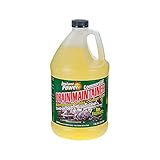
- Premium Choice: Instant Power Commercial Drain Maintainer & Trap Treatment, 1 Gal | Enzymes digest fats, oil, grease to clear slow drains, prevent clogs, control odors & reduce grease trap pumping, septic safe
For a grease clog, start with the gentlest method that suits the pipe: hot water with dish soap, then an enzyme or bacteria-based cleaner for slow, repeated build-up, and only then a label-approved chemical gel for a stubborn full blockage. A drain snake or a plumber is the right call when none of that clears it.
As an Amazon Associate we earn from qualifying purchases at no extra cost to you.



Why Grease Clogs Behave Differently
Cooking fat leaves the sink as a warm liquid, then cools and sticks to pipe walls, trapping food particles and soap scum. Over time it narrows the pipe until water drains slowly. Because grease is a fat, products that dissolve or digest it work better than those aimed at hair. Hair-focused cleaners can leave a grease clog largely untouched.
Quick Comparison of Approaches
| Approach | Best for | How it works (maker-stated) | Limits |
|---|---|---|---|
| Hot water and dish soap | Early slow drains | Soap helps emulsify fat; heat softens it | Boiling water can damage some pipes; follow plumbing guidance |
| Enzyme or bacteria drain products (for example Green Gobbler enzyme formulas, Bio-Clean style products) | Routine maintenance of kitchen lines, septic-friendly choices | Biological agents digest organic matter over hours | Slow; not for a fully blocked drain |
| Caustic gel cleaners (such as Drano Max Gel, Liquid-Plumr Pro-Strength and similar) | Stubborn grease and organic clogs when water drains very slowly | Chemical action through lye or bleach compounds as stated on the label | Hazardous, harsh fumes, not for every pipe or fixture, must follow label |
| Mechanical (plunger, hand auger, drain snake) | Solid obstruction in trap or line | Physically breaks or pulls out the clog | Needs access; can scratch pipes if forced |
| Professional plumber with jetting | Repeated blockages, standing water in multiple fixtures | High-pressure water scours the line | Cost and scheduling |
How to Choose
Match the product to the pipe
Check whether the pipe is metal, PVC or older material, and whether the home has a septic system. Many caustic gels list pipe and fixture restrictions on the bottle, and some should not touch certain finishes or aluminum. Enzyme products usually market themselves as safe for septic and for most plumbing, but follow the label.
Match the product to the blockage
Water barely draining and an unpleasant smell often signals a partial grease clog; try soap and heat, then enzyme treatment. Water standing completely still means a full clog, where a plunger or snake may help first. A chemical gel is the last resort before calling a professional, according to many plumbing guides.
Mind the safety statement
Chemical drain cleaners can cause burns and release irritating fumes. Wear gloves and eye protection, ventilate the room, and keep children and pets away. Never mix drain cleaners with each other, with bleach, or with vinegar, because dangerous gases can form. If a chemical product fails, do not add another or plunge the drain, as splashes can burn skin and eyes. Tell the plumber what you used.
Pick-by-Situation Table
| Situation | Choose | Why |
|---|---|---|
| Kitchen sink draining a bit slowly | Dish soap with hot water, then enzyme treatment | Gentle and good for early build-up |
| Regular maintenance of a greasy kitchen line | Enzyme cleaner used on a schedule | Prevents build-up without harsh chemicals |
| Sink fully blocked, plunger failed | Drain snake or label-approved gel (once) | Needs stronger action |
| Septic system | Enzyme or bacteria product | Avoid harsh chemicals that harm septic bacteria; check label |
| Old, damaged or unknown pipes | Mechanical method or plumber | Chemicals may be risky |
| Repeated clogs in several fixtures | Plumber | Likely a main line problem |
Budget Tiers Without Prices
- Budget: dish soap, hot tap water, a plunger and a plastic drain strip.
- Mid-range: enzyme or bacteria cleaners, a hand auger and drain strainers.
- Premium: professional jetting, or a decent electric drain auger for homeowners with recurring problems.
Prevention Habits
- Pour cooled cooking fat into a can and throw it away instead of rinsing it down the sink.
- Wipe greasy pans with a paper towel before washing.
- Use a sink strainer to catch food particles.
- Run hot water for a short time after dishwashing, as pipe guides advise.
- Schedule monthly enzyme treatment if your kitchen line has clogged before.
Common Mistakes
- Pouring grease down the drain with hot water, which only moves it further along the line.
- Using repeated doses of a caustic gel when the first dose failed.
- Mixing different drain products or adding bleach.
- Using a chemical cleaner in a toilet, garbage disposal or fixture not named on the label.
- Expecting enzyme products to clear a fully blocked pipe within minutes.
- Ignoring a gurgling or smelling drain until the water backs up.
Alternatives
A wet-dry vacuum set to pull from the drain, a plumber’s snake and a simple plunger can all outperform a chemical cleaner on a mixed clog. A baking soda and vinegar combination gets mentioned often online, but plumbing guides report it has limited effect on heavy grease, so treat it as a mild freshening step rather than a fix.
Frequently Asked Questions
Does boiling water dissolve grease in a drain?
Hot water softens grease for a short time, but it may re-solidify further down the line. Some pipe types, such as PVC, can soften under boiling water, so very hot tap water with dish soap is the safer move.
Are enzyme drain cleaners effective on grease?
Makers say they digest organic matter, including fats, over time. Reviewers generally rate them better as maintenance than as emergency tools.
Is it safe to use a chemical drain cleaner in a kitchen sink?
Many are labeled for kitchen sinks, but each has restrictions on pipes, disposals and standing water. Read the label fully, wear protection and never combine products.
How often can I use drain cleaner?
Follow the label. Repeated chemical use can stress pipes, so persistent clogs call for a plumber, whereas enzyme products are designed for periodic use.
When should I call a plumber?
Call one when more than one fixture drains slowly, water backs up into another drain, or a chemical cleaner has already been used without success. A plumber can inspect the line safely.
Will a drain cleaner harm my septic system?
Harsh chemicals can disrupt the bacteria a septic system relies on. Look for products labeled septic-safe, and ask a septic professional if you are unsure.





Write Your Review
No reviews yet. Be the first to share your experience!