
- Top Pick: 1600W High-Pressure Electric Airless Paint Sprayer, Portable Paint Sprayer | Indoor Wall Vertical Paint Sprayer, 2.5L/Min Flow, 16.4-Foot Hose, for Indoor & Outdoor Painting, Furniture, Walls
- Best Value: Cordless Paint Sprayer, HVLP Spray Paint Gun with 2×4000mAh Battery | Easy to Clean & Use, 3 Modes & 6 Nozzles, 1400ml Tank, LED Light, for House Wall Fence Furniture, Cabinets, Door, Desk, DIY
- Premium Choice: 1000W HVLP Paint Sprayer, Electric Paint Gun with 1400ML Container, 4 Copper Nozzles & 3 Spray Patterns, Adjustable Flow Control for pait grids,Furniture, Cabinets, Fence & DIY, Blue
For small rooms, furniture and gaming-desk projects, a handheld HVLP sprayer or a compact airless unit from makers like Wagner, Graco or HomeRight suits most buyers, and the right choice depends on what you are spraying and how much. Thin stains and sealers favor HVLP; thicker latex wall paint favors an airless or a unit that lists latex compatibility.
- At a Glance: Sprayer Types
- Match the Sprayer to the Paint
- Project Size
- Features That Matter
- Budget Tiers
- Decision Table: Pick X If
- Safety and Preparation
- Common Mistakes
- Alternatives
- Surface Preparation Decides the Finish
- Spray Technique in Brief
- Maintenance and Storage
- Which Sprayer Suits a Gamer’s Projects?
- Fit and Compatibility Notes
- Frequently Asked Questions
As an Amazon Associate we earn from qualifying purchases at no extra cost to you.


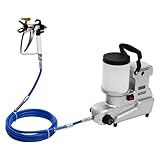
At a Glance: Sprayer Types
| Type | Best for | Typical makers | Limits |
|---|---|---|---|
| Handheld HVLP electric | Furniture, cabinets, trim, small walls | Wagner Flexio, HomeRight Finish Max | Thicker paint may need thinning; small tank |
| Compact airless | Walls, ceilings, fences, larger jobs | Graco Magnum and TrueCoat lines | More overspray; heavier cleanup |
| Cordless battery sprayer | Quick jobs without outlets | Ryobi and similar tool brands | Runtime tied to battery |
| Spray gun with compressor (HVLP) | Fine finishes, model painting | Various | Needs a compressor and skill |
| Airbrush kit | Case mods, helmets, models | Various | Very small area only |
Specifications such as flow rate and tank size differ by model within each line, so read the maker’s current manual for the exact paint types and thinning guidance.
Match the Sprayer to the Paint
Paint viscosity decides everything. Stains, lacquers and thin enamels spray well from small HVLP units. Latex wall paint is thicker, and many handheld sprayers need it thinned according to the maker’s chart. Airless sprayers handle undiluted latex more easily, which is why contractors lean toward them. If a sprayer lists specific paint types, trust that list over generic claims.
Project Size
- Small items such as a PC desk, shelves, a case-mod shell: handheld HVLP or airbrush.
- One room: a compact airless or a larger HVLP with a decent tank.
- Exterior fence or siding: an airless with a longer hose.
Features That Matter
Adjustable spray patterns
Vertical, horizontal and round patterns help you work corners and edges. Makers often list how many settings each model offers.
Tip and nozzle options
Different tips fit different paints. A model with several included tips offers more flexibility.
Cleanup time
Reviewers consistently identify cleanup as the biggest complaint. Fewer parts and simple flushing procedures save time, so check how many pieces need washing.
Weight and ergonomics
A heavy tank gets tiring on ceilings. Cordless options remove the cord but add battery weight.
Budget Tiers
Budget
Entry handheld HVLP sprayers for furniture and trim. They work best with thinned paint and small jobs.
Mid-range
Larger handheld systems and entry airless sprayers that handle wall paint with less thinning.
Premium
Contractor-style airless units that cover large surfaces quickly and run for longer periods.
Decision Table: Pick X If
| Your project | Pick | Why |
|---|---|---|
| Painting a desk or shelves | Handheld HVLP | Fine control and less waste |
| Repainting a bedroom or gaming room | Compact airless | Faster coverage with undiluted latex |
| Detailing a PC case or helmet | Airbrush or small spray gun | Precision and fine atomization |
| Occasional outdoor job without outlets | Cordless sprayer | Mobility |
Safety and Preparation
Spray painting creates fine mist. Wear a respirator rated for the product, eye protection and gloves, and ventilate the space. Keep ignition sources away from solvent-based paints and follow the paint can instructions. Mask surfaces carefully and cover floors. If a sprayer is electric, never submerge the motor and follow the maker’s cleaning steps.
Common Mistakes
- Spraying paint that is too thick for the unit.
- Holding the gun at an angle, which causes uneven coats.
- Skipping a test on cardboard first.
- Leaving paint inside the sprayer after finishing.
- Applying one heavy coat instead of two light ones.
Alternatives
A quality roller and brush give a clean finish with minimal setup for small areas. Spray cans suit tiny touch-ups. Renting a professional airless is sensible for a one-time large job.
Surface Preparation Decides the Finish
Even the best sprayer cannot hide poor preparation. Clean the surface to remove dust and grease, fill dents, sand gently and prime where the paint maker advises. Spray finishes magnify flaws, because a smooth coat reveals every scratch below it. For a PC desk or shelving unit, remove hardware, tape edges and work on a covered stand so you can reach every side.
Spray Technique in Brief
- Test the pattern on cardboard until edges are even.
- Hold the nozzle roughly the distance the manual states, usually described as a hand span.
- Start moving before you pull the trigger and release after the pass ends.
- Overlap each pass by about half to avoid stripes.
- Apply thin coats and let each dry per the paint can instructions.
Maintenance and Storage
Flush the sprayer with water for latex or the solvent named by the paint maker for oil-based products, then take apart the nozzle and wash it. Dried paint is the main reason sprayers fail. Store the unit clean and dry, and replace worn tips when the pattern becomes uneven, as the makers recommend in their manuals.
Which Sprayer Suits a Gamer’s Projects?
Typical hobby projects include repainting a desk, building custom shelving for a console collection, refinishing a cabinet or painting a gaming-room accent wall. For the first three, a handheld HVLP covers everything. For a full wall, consider whether the time saved justifies masking and cleanup, as a roller can be quicker on a single flat wall. Airbrush kits are better for helmets, figures or PC case artwork.
Fit and Compatibility Notes
Check that the sprayer’s listed paint types match your product: stain, polyurethane, enamel, primer or latex. Some models list a maximum viscosity or require specific tips for thicker coatings. Cordless units need the right battery platform, and corded units need a nearby outlet or a rated extension lead. For rooms, measure the wall area and compare it with the tank size so you are not refilling constantly. Also consider where the overspray will land: cover consoles, monitors and vents, and unplug electronics before painting nearby.
Finally, think about storage. Handheld units fit on a shelf, while airless pumps and hoses need more room. If you paint only once a year, the simplest machine that suits your paint is usually the better choice than the most powerful one.
Frequently Asked Questions
Can I spray latex paint with a handheld sprayer?
Many can, but usually after thinning according to the maker’s guidance. Read the manual for the recommended ratio.
Is HVLP or airless better?
HVLP gives finer control and less overspray for furniture. Airless covers large areas faster with thicker paint.
How do I avoid drips?
Keep the sprayer moving, hold it at a consistent distance and apply thin coats. Practice on cardboard first.
Do I need a respirator?
Yes, sprayed paint mist is easy to inhale. Use a respirator suited to the paint type and ventilate well.
How long does cleanup take?
It varies by model. Simpler designs with fewer parts clean faster, and flushing right after use prevents clogs.







Write Your Review
No reviews yet. Be the first to share your experience!