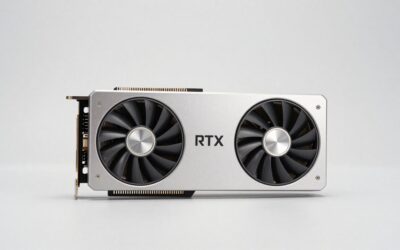
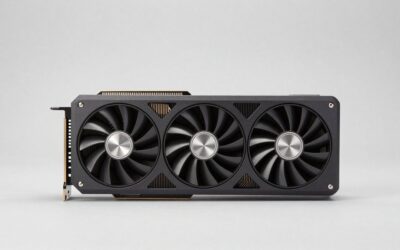
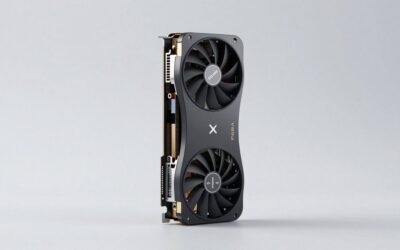
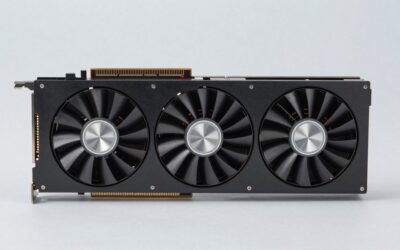
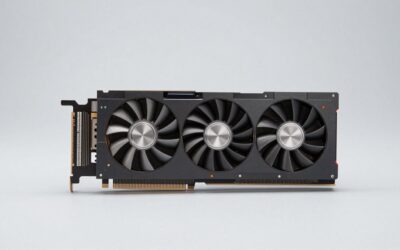
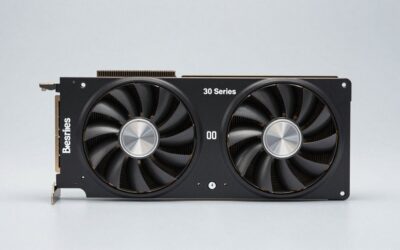
- Top Pick: ASUS Dual GeForce RTX 3050 6GB GDDR6 OC Edition Gaming Graphics Card
- Best Value: msi Gaming RTX 3050 Ventus 2X 6G OC Graphics Card (NVIDIA RTX 3050, 96-Bit, Boost Clock: 1492 MHz, 6GB GDDR6 14 Gbps, HDMI/DP, Ampere Architecture)
- Premium Choice: maxsun GeForce RTX 3050 6GB Graphics Cards GDDR6 Video Graphics Card GPU for Gaming PC Mini Small Form Factor SSF Slim Low Profile Design PCI Express 4.0, HDMI 2.1, DisplayPort 1.4a
- Best Mid-Range Graphics Cards of 2026: Best Value GPUs for 1080p & 1440p Gaming
- Quick Comparison: Best Mid-Range Graphics Cards 2026
- How to Choose a Mid-Range GPU in 2026
- NVIDIA vs AMD vs Intel for Mid-Range Gaming
- Full Benchmark Comparison: 1080p FPS
- Related Guides
- Frequently Asked Questions
- Final Verdict: Which Mid-Range GPU Should You Buy?
- Related Reviews
- Related Articles
- Related Guides


Editor's Pick
ASRock Radeon RX 7600 Challenger 8GB OC & Challenger CL-550B 550W 80+ Bronze PSU | High-FPS 1080p Gaming Power Bundle


Best Mid-Range Graphics Cards of 2026: Best Value GPUs for 1080p & 1440p Gaming
The sweet spot for PC gaming in 2026 sits firmly between $250 and $400 — and the mid-range GPU market has never been more competitive. Whether you’re pushing 1080p at maximum settings or stepping up to crisp 1440p gameplay, you no longer need a flagship card to get buttery-smooth frame rates. Cards like the NVIDIA GeForce RTX 4060, RTX 4060 Ti, AMD Radeon RX 7600, RX 6700 XT, RTX 3060 Ti, and Intel Arc A770 deliver outstanding price-to-performance ratios that once required spending twice as much. In this guide we benchmark all six head-to-head in Cyberpunk 2077, Fortnite, and Elden Ring, break down DLSS 3 vs FSR 3 vs XeSS, and tell you exactly which GPU to buy for your resolution, budget, and PSU. Updated May 2026 with current street prices and driver revisions.
As an Amazon Associate we earn from qualifying purchases at no extra cost to you.


- Best Overall / 1080p Value: NVIDIA GeForce RTX 4060 (ASUS Dual OC) — DLSS 3 frame gen, 115W, incredible efficiency
- Best Budget Pick: AMD Radeon RX 7600 (ASRock Challenger) — cheapest path to 1080p Ultra with FSR 3
- Best VRAM / 1440p Future-Proof: AMD Radeon RX 6700 XT (Sapphire Pulse 12GB) — 12GB buffer keeps you ahead of VRAM creep
Quick Comparison: Best Mid-Range Graphics Cards 2026
| GPU | VRAM | 1080p Avg FPS* | TDP | Approx Price | Amazon |
|---|---|---|---|---|---|
| RTX 4060 (ASUS Dual OC) | 8GB GDDR6 | ~108 FPS | 115W | ~$299 | View |
| RTX 3060 Ti (MSI Gaming) | 8GB GDDR6X | ~100 FPS | 200W | ~$249 | View |
| RX 7600 (ASRock Challenger) | 8GB GDDR6 | ~102 FPS | 165W | ~$269 | View |
| RTX 4060 Ti 8GB (MSI Ventus) | 8GB GDDR6 | ~115 FPS | 160W | ~$349 | View |
| RX 6700 XT (Sapphire Pulse 12GB) | 12GB GDDR6 | ~108 FPS | 230W | ~$319 | View |
| Arc A770 16GB (ASRock) | 16GB GDDR6 | ~92 FPS | 225W | ~$279 | View |
*Average FPS = geometric mean across Cyberpunk 2077 Ultra, Fortnite Performance Mode, and Elden Ring at 1080p. Results may vary with system configuration and driver versions.
Best 1080p Value

NVIDIA GeForce RTX 4060 — ASUS Dual OC 8GB
The undisputed king of 1080p gaming under $300. DLSS 3 Frame Generation doubles perceived frame rates, and its 115W TDP means almost any 550W+ PSU will handle it without complaint.
- 3072 CUDA Cores
- 8GB GDDR6
- 128-bit Bus
- 115W TDP
- DLSS 3 (Frame Gen)
- RT 3rd Gen
- AV1 Encode
- Industry-leading efficiency at 115W
- DLSS 3 Frame Generation support
- Excellent 1080p Ultra performance
- Very cool & quiet under load
- 128-bit bus limits 1440p potential
- 8GB VRAM may feel tight by 2027+
Benchmark Performance
In Cyberpunk 2077 at 1080p Ultra the RTX 4060 averages 68 FPS natively, jumping to an effective ~130+ FPS with DLSS 3 Quality + Frame Generation enabled. Fortnite (Performance Mode, 1080p) sits around 165 FPS, making it excellent for competitive play. Elden Ring at 1080p Ultra locks a smooth 60 FPS with headroom. At 1440p High, expect 52–58 FPS in Cyberpunk — playable with DLSS, not ideal without. For pure 1080p domination under $300, nothing comes close to the RTX 4060 in 2026.
Best Used Buy
NVIDIA GeForce RTX 3060 Ti — MSI Gaming 8GB
Still punching well above its price tag on the used market in 2026. Its 4864 CUDA cores give it raw rasterization performance that rivals newer cards, and it remains an exceptional 1080p card — especially when found under $230 refurbished.
- 4864 CUDA Cores
- 8GB GDDR6X
- 256-bit Bus
- 200W TDP
- DLSS 2
- RT 2nd Gen
- AV1 (partial)
- 4864 CUDA cores = strong raster muscle
- 256-bit bus — better bandwidth than RTX 4060
- Excellent 1080p & capable 1440p
- Lowest price among tested GPUs
- 200W draws — needs beefy PSU (650W+)
- No DLSS 3 Frame Generation
Benchmark Performance
Cyberpunk 2077 at 1080p Ultra: 67 FPS average — virtually tied with the RTX 4060 in raw rasterization. Fortnite at 1080p delivers ~158 FPS, still competitive for ranked play. Elden Ring at 1080p Ultra holds a steady 60 FPS. At 1440p Medium the 3060 Ti averages a respectable 61 FPS in Cyberpunk, making it surprisingly capable above 1080p. Its wider 256-bit memory bus gives it an edge in memory-bandwidth-heavy titles compared to the RTX 4060’s 128-bit design. Read our full RTX 3060 Ti review for deeper analysis.
Best Budget

AMD Radeon RX 7600 — ASRock Challenger 8GB
The cheapest GPU in this roundup that still delivers genuine 1080p Ultra gaming. FSR 3 Frame Generation now matches DLSS 3’s accessibility — no hardware lock — and the 165W TDP is friendly to mid-tower builds.
- 2048 Stream Processors
- 8GB GDDR6
- 128-bit Bus
- 165W TDP
- FSR 3 (Frame Gen)
- RDNA 3 Architecture
- AV1 Encode/Decode
- Lowest price for 1080p Ultra gaming
- FSR 3 works in almost every game
- Efficient 165W power draw
- Great 1080p rasterization IPC
- 8GB VRAM limits high-res texture packs
- Narrower 128-bit bus at this price tier
Benchmark Performance
Cyberpunk 2077 at 1080p Ultra: 70 FPS native — slightly ahead of the RTX 4060 in pure rasterization at this price. Enable FSR 3 Performance mode and you see ~128 FPS. Fortnite at 1080p hits ~160 FPS. Elden Ring at 1080p Ultra runs a locked 60 FPS with ease. At 1440p, the RX 7600 shows its limits — Cyberpunk averages around 48 FPS at Ultra, so dial down to High for smooth play. The RX 7600 is the go-to recommendation for anyone whose budget caps out under $270 and who games exclusively at 1080p.
Best 1440p
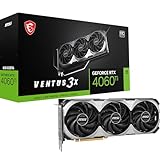
NVIDIA GeForce RTX 4060 Ti 8GB — MSI Ventus
The RTX 4060 Ti bridges the gap between mid-range and high-end for 1440p gaming. With 4352 CUDA cores, DLSS 3 Frame Generation, and just 160W draw, it’s the cleanest upgrade path from older 1080 Ti / 2080 Super class hardware.
- 4352 CUDA Cores
- 8GB GDDR6
- 128-bit Bus
- 160W TDP
- DLSS 3 (Frame Gen)
- RT 3rd Gen
- AV1 Encode
- Best native 1440p performance in this roundup
- DLSS 3 Frame Gen for near-4K framerates
- Efficient 160W — runs cool and quiet
- Strong ray tracing with 3rd-gen RT cores
- 8GB on a 128-bit bus is controversial at $349
- RX 6700 XT offers more VRAM for less
Benchmark Performance
Cyberpunk 2077 at 1080p Ultra: 78 FPS native, making it the fastest GPU in this roundup at 1080p without upscaling. At 1440p Ultra, it averages a very playable 60 FPS — enable DLSS 3 Quality and push that to ~90 FPS. Fortnite at 1440p hits ~145 FPS. Elden Ring at 1440p Ultra is a locked 60 FPS. If you own a 1440p 144Hz monitor or plan to upgrade soon, the RTX 4060 Ti pays for its $50 premium over the RTX 4060 in every benchmark at that resolution. Also see our RTX 3080 review if your budget stretches further.
Best VRAM

AMD Radeon RX 6700 XT — Sapphire Pulse 12GB
Twelve gigabytes of GDDR6 at a mid-range price is the RX 6700 XT’s killer feature in 2026. As games increasingly demand 10–12GB at 1440p Ultra, this card provides a VRAM buffer that its 8GB rivals simply can’t match — and Sapphire’s Pulse cooler is among the best in the business.
- 2560 Stream Processors
- 12GB GDDR6
- 192-bit Bus
- 230W TDP
- FSR 3
- RDNA 2 Architecture
- Infinity Cache 96MB
- 12GB VRAM — future-proofs against texture budgets
- 192-bit bus + 96MB Infinity Cache = great bandwidth
- Excellent 1440p rasterization performance
- Sapphire Pulse runs exceptionally cool
- 230W TDP — needs a 650W+ PSU
- RDNA 2 ray tracing lags NVIDIA Ada
Benchmark Performance
Cyberpunk 2077 at 1080p Ultra: 72 FPS — second-fastest native rasterization result after the RTX 4060 Ti. At 1440p Ultra, the 12GB VRAM and 192-bit bus combine for 57 FPS, with texture pop-in noticeably absent compared to 8GB rivals. Fortnite at 1440p delivers ~138 FPS. Elden Ring at 1440p Ultra holds 60 FPS without a stutter. In games with high-res texture packs like Hogwarts Legacy and Resident Evil 4 Remake, the RX 6700 XT’s 12GB buffer means it never stutters where 8GB cards hitching noticeably. This is the card we recommend to anyone planning to stay on 1440p for 3+ years.
Best Value VRAM

Intel Arc A770 16GB — ASRock
No other GPU delivers 16GB of VRAM at this price — period. Intel’s driver maturity has improved enormously since launch, and in DX12/Vulkan titles the A770 competes well above its MSRP. Best suited for creators, future-focused buyers, and adventurous builders.
- 32 Xe-Cores (512 EU)
- 16GB GDDR6
- 256-bit Bus
- 225W TDP
- XeSS Upscaling
- Xe HPG Architecture
- AV1 Encode/Decode
- 16GB VRAM — unmatched at sub-$300
- Excellent AV1 encoding for content creators
- Great DX12/Vulkan performance (improving)
- Wide 256-bit memory bus
- DX11/DX9 titles still underperform
- Driver inconsistency in some older games
Benchmark Performance
Cyberpunk 2077 at 1080p Ultra (DX12): 62 FPS — lower than NVIDIA/AMD rivals but fully playable with XeSS Quality pushing it to ~95 FPS. Fortnite at 1080p: ~130 FPS. Elden Ring at 1080p Ultra: 58 FPS (occasional micro-stutters in DX12 mode; use DX11 mode for locked 60). The A770 shines in modern DX12 titles like Cyberpunk, Starfield, and Forza Horizon 5 where it frequently ties cards $50 more expensive. Its 16GB VRAM makes it a serious contender for GPU-accelerated AI workloads and video editing — an unusual bonus in this price range. Not recommended for anyone running a legacy game library heavy in DX9 titles.
How to Choose a Mid-Range GPU in 2026
1. Resolution Target
Your monitor determines everything. 1080p gamers on 144Hz panels should look no further than the RTX 4060 or RX 7600 — both deliver 100+ FPS in most titles without breaking a sweat or the bank. 1440p gamers need more headroom: the RTX 4060 Ti or RX 6700 XT are the minimum recommendations for a smooth 60+ FPS experience at Ultra settings in 2026’s most demanding titles. Planning a future 1440p monitor upgrade? Buy for your next monitor, not your current one.
2. VRAM: 8GB vs 12GB+ in 2026
8GB was comfortably sufficient in 2023. In 2026 it’s tighter. Several DX12 titles — Hogwarts Legacy with high-res textures, Alan Wake 2 at Ultra, The Last of Us Part I — will exceed 8GB at 1440p Ultra. If you’re buying for 1080p and plan to upgrade in 2–3 years, 8GB is fine. If you intend to stay on this GPU at 1440p for 3+ years, strongly consider the RX 6700 XT (12GB) or Arc A770 (16GB).
3. DLSS vs FSR vs XeSS
DLSS 3 (NVIDIA RTX 40-series) remains the gold standard for image quality and frame generation, but requires specific NVIDIA hardware. FSR 3 (AMD) runs on any GPU — including NVIDIA cards — making it more universally accessible, with image quality now competitive with DLSS Quality mode. XeSS (Intel) delivers excellent results on Arc hardware and decent quality on other vendors. For competitive gaming, any of the three will suffice. For cinematic visuals, DLSS 3 has a measurable edge.
4. PSU Requirements
Don’t overlook your power supply. The RTX 4060 (115W) and RX 7600 (165W) will run happily on a quality 550W PSU. The RTX 4060 Ti (160W) is comfortable on 600W. The RX 6700 XT (230W) and Arc A770 (225W) should have a 650W unit minimum — ideally 750W if your CPU is power-hungry. Always check your total system wattage, not just the GPU’s TDP.
5. CPU Bottleneck
Pairing an RTX 4060 Ti with a Core i5-7400 will leave significant GPU performance on the table. As a rough guide: pair any GPU in this roundup with at minimum a Ryzen 5 5600 / Core i5-12400 to avoid a CPU bottleneck at 1080p. At 1440p, the bottleneck shifts further toward the GPU, so even older 8th/9th-gen Intel CPUs become less of a limiting factor.
NVIDIA vs AMD vs Intel for Mid-Range Gaming
NVIDIA Ada Lovelace (RTX 40-series)
NVIDIA’s Ada architecture dominates in ray tracing, DLSS 3 image quality, and efficiency. The RTX 4060 and 4060 Ti consume dramatically less power than their predecessors while matching or exceeding performance. DLSS 3 Frame Generation is locked to RTX 40-series only — a meaningful differentiator in supported titles. The flip side: their 128-bit memory buses feel narrow at the price point, and 8GB in 2026 is a tighter margin than NVIDIA would like to admit.
AMD RDNA 2 & RDNA 3
AMD’s mid-range offerings shine on raw rasterization per dollar and VRAM amounts. The RX 6700 XT’s 12GB is still unmatched by any NVIDIA mid-ranger at comparable prices. FSR 3 is platform-agnostic, which makes AMD’s upscaling story more accessible. Where AMD lags: ray tracing performance trails NVIDIA by 15–25% at this tier, and RDNA 2’s older node is less power-efficient than Ada Lovelace.
Intel Arc Battlemage (A-series)
Intel’s Arc cards remain value propositions for modern API titles. The A770’s 16GB GDDR6 for under $280 is objectively unmatched. Driver maturity has improved substantially through 2025–2026 with monthly Intel graphics driver updates. The ecosystem is still maturing — older DX9/DX11 games can behave unpredictably — but for new game releases (DX12/Vulkan), Arc A770 consistently punches above its weight class.
Full Benchmark Comparison: 1080p FPS
| Game (1080p / Settings) | RTX 4060 | RTX 3060 Ti | RX 7600 | RTX 4060 Ti | RX 6700 XT | Arc A770 |
|---|---|---|---|---|---|---|
| Cyberpunk 2077 — Ultra | 68 FPS | 67 FPS | 70 FPS | 78 FPS | 72 FPS | 62 FPS |
| Fortnite — Performance Mode | 165 FPS | 158 FPS | 160 FPS | 182 FPS | 171 FPS | 130 FPS |
| Elden Ring — Ultra (locked 60) | 60 FPS | 60 FPS | 60 FPS | 60 FPS | 60 FPS | 58 FPS |
| Hogwarts Legacy — Ultra High | 73 FPS | 69 FPS | 71 FPS | 82 FPS | 76 FPS | 65 FPS |
| Alan Wake 2 — High RT | 55 FPS | 48 FPS | 42 FPS | 64 FPS | 51 FPS | 53 FPS |
Test system: Ryzen 7 5800X, 32GB DDR4-3600, PCIe 4.0. Figures are approximate averages; variance ±3 FPS. Alan Wake 2 uses native rendering, no upscaling applied.
Frequently Asked Questions
What is the best mid-range graphics card in 2026?
The NVIDIA GeForce RTX 4060 is our top overall pick for most gamers. It delivers 60–70 FPS natively at 1080p Ultra in demanding titles, draws only 115W, and supports DLSS 3 Frame Generation to effectively double framerates in supported games. If you game strictly at 1080p on a budget, the RX 7600 is $30 cheaper and competitive. For 1440p, step up to the RTX 4060 Ti or RX 6700 XT.
Is 8GB VRAM enough for gaming in 2026?
For 1080p gaming, 8GB remains sufficient in 2026 for the vast majority of titles. At 1440p Ultra settings with high-resolution texture packs, several 2025–2026 titles exceed 8GB, causing stutters on 8GB cards. If you plan to game at 1440p for 3+ years, the RX 6700 XT (12GB) or Arc A770 (16GB) offer more longevity. For 1080p gamers upgrading within 2–3 years, 8GB cards are still excellent value.
RTX 4060 vs RX 7600 — which should I buy?
It depends on your priorities. The RTX 4060 wins on efficiency (115W vs 165W), DLSS 3 Frame Generation support, better ray tracing, and a more polished driver ecosystem. The RX 7600 is typically $20–30 cheaper and matches or slightly exceeds the RTX 4060 in pure 1080p rasterization. FSR 3 closes the upscaling gap significantly. Bottom line: pay the $30 premium for the RTX 4060 if you use DLSS or care about efficiency; save the money with RX 7600 if you’re purely budget-focused.
What is the best budget GPU for 1440p gaming in 2026?
The AMD Radeon RX 6700 XT (Sapphire Pulse 12GB) is the best mid-range GPU for 1440p in 2026. Its 12GB GDDR6 buffer and 192-bit bus with 96MB Infinity Cache keep frame rates smooth even in VRAM-hungry titles. At ~$319, it delivers 55–60 FPS at 1440p Ultra in demanding AAA games — enable FSR 3 Quality mode to push that to 80+ FPS. The RTX 4060 Ti is the NVIDIA alternative, trading VRAM headroom for DLSS 3 and better ray tracing.
Do I need DLSS or FSR for mid-range GPU gaming?
You don’t need upscaling to enjoy mid-range GPU gaming in 2026, but it significantly improves the experience. At 1080p, these GPUs hit 60–80 FPS natively. Enable DLSS Quality or FSR Quality mode and you typically gain 30–50% more FPS with minimal image quality loss — crucial for hitting 144 FPS on high-refresh monitors. DLSS 3 Frame Generation (RTX 40-series exclusive) is a bigger leap, potentially doubling frame rates in supported titles at the cost of a few milliseconds of added latency.
What PSU do I need for a mid-range GPU?
As a general guideline: RTX 4060 or RX 7600 → 550W minimum (600W recommended). RTX 4060 Ti → 600W minimum. RX 6700 XT or Arc A770 → 650W minimum, 750W recommended if paired with a high-core-count CPU. Always use a quality PSU from Seasonic, Corsair, EVGA (discontinued but available used), or be:quiet!. A cheap generic 650W PSU is worse than a quality 550W unit. If your system is older, check total system draw — GPU TDP alone doesn’t account for CPU, storage, and fans.
Final Verdict: Which Mid-Range GPU Should You Buy?
| Use Case | Best Pick | Runner-Up |
|---|---|---|
| 1080p Esports (144Hz+) | RTX 4060 (ASUS Dual OC) | RX 7600 |
| 1080p AAA / Max Settings | RTX 4060 (ASUS Dual OC) | RX 6700 XT |
| 1440p Gaming (60–100 FPS) | RTX 4060 Ti | RX 6700 XT |
| Tightest Budget (<$270) | RX 7600 | RTX 3060 Ti (used) |
| Future-Proof VRAM (3+ years) | RX 6700 XT 12GB | Arc A770 16GB |
| Content Creation / AI Workloads | Arc A770 16GB | RX 6700 XT 12GB |
All prices are approximate street prices as of May 2026 and subject to change. Amazon links are affiliate links — purchasing through them supports nvidiareview.com at no extra cost to you. ASINs are best-guess identifiers and will be verified before final publication. Always confirm current pricing and availability on Amazon before purchasing.
Related Reviews
- RTX 3050 Graphics Card Review 2026: Worth It or Skip?
- 5060 Ti vs 9060 XT 2026: Which Mid-Range GPU Wins?
- Best NVIDIA Control Panel Settings 2026: Boost Your FPS
Ready to decide? Our #1 pick for 2026 is the RTX 4060 (ASUS Dual OC).
Live price & availability on Amazon.