Nvidia 5080 AMD equivalent is a search that reflects a real dilemma: AMD does not sell a card that matches the RTX 5080 exactly, so buyers have to weigh the closest options against it. The two contenders, the RX 7900 XTX on raster and the RX 9070 XT on current-generation features, each get part of the way there. This review breaks down how they compare on performance, ray tracing, memory, power, and price, then gives a clear recommendation on whether an AMD card or the 5080 itself is the smarter buy in 2026.
Is There a True Nvidia 5080 AMD Equivalent?
The honest answer is that no single AMD card lines up perfectly with the RTX 5080, but two come close from different directions. This section sets the bar the 5080 establishes and introduces AMD’s two nearest answers.
What the RTX 5080 Sets as the Bar
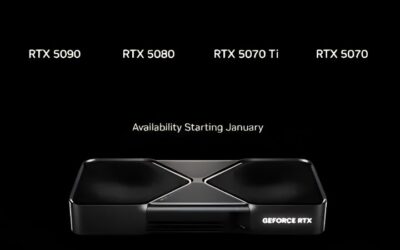
The RTX 5080 is Blackwell’s mainstream flagship, with 10,752 CUDA cores, 16 GB of GDDR7 on a 256-bit bus, roughly 960 GB/s of bandwidth, and a 360 W board power. It delivers confident 4K performance plus DLSS 4 Multi Frame Generation.
That combination of strong raster, class-leading upscaling, and excellent ray tracing is the standard any AMD alternative has to meet. The 5080 is not just fast; it pairs that speed with a mature feature set that AMD has historically trailed on.
For anyone searching for an AMD equivalent, the goal is to match the 5080’s 16 GB capacity and 4K raster while accepting that ray tracing and upscaling are where the gap is hardest to close.
It is worth noting that an exact equivalent is rare for a reason. AMD and Nvidia design their lineups around different price and performance targets, so cards rarely line up one-to-one across brands. The practical approach is to match the 5080 on the attributes you care about most rather than expecting a single perfect counterpart.
AMD’s Closest Raster Option: RX 7900 XTX
The RX 7900 XTX is AMD’s previous-generation flagship, built on RDNA 3 with 24 GB of GDDR6 and a board power around 355 W. In pure rasterization it is the nearest AMD card to the 5080, trailing it by roughly 15 to 17 percent in most games.
Owners praise its huge 24 GB buffer and strong raster value, which makes it appealing for high-resolution gaming where memory matters. The complaints center on ray tracing, where it falls well behind the 5080, and on FSR upscaling, which lags DLSS 4 in image quality and frame generation.
As a raster-focused 4K card with abundant VRAM, the 7900 XTX is the closest thing to a 5080 substitute when ray tracing is not a priority, especially if found at a discount.
For creators and high-resolution gamers, the 7900 XTX’s 24 GB buffer is worth emphasizing, since it exceeds even the 5080’s 16 GB. In memory-bound workloads and texture-heavy titles, that extra capacity can matter more than a modest raster deficit, making the older AMD flagship surprisingly competitive in the right scenarios.
AMD’s Current-Gen Pick: RX 9070 XT
The RX 9070 XT is AMD’s RDNA 4 card, with 16 GB of GDDR6, 64 compute units, a board power near 304 W, and a $599 launch price. It matches the 5080’s memory capacity and brings AMD’s improved FSR 4 upscaling.
In performance it competes most directly with the RTX 5070 Ti rather than the 5080, which leads it by roughly 15 to 17 percent. Owners highlight its efficiency, modern feature set, and aggressive price as standout strengths for the money.
As the current-generation option, the 9070 XT is the better long-term pick of the two AMD cards, even though it sits a tier below the 5080 in raw performance, because its newer architecture and FSR 4 narrow the feature gap.
Nvidia 5080 AMD Equivalent: Performance and Features
Matching the 5080 means looking past a single number to raster, ray tracing, upscaling, and efficiency together. This section compares the AMD contenders against the 5080 across each.
Rasterization and Real Game Performance
In rasterized games, the RX 7900 XTX comes closest, trailing the 5080 by a modest margin that can shrink further at 4K where its 24 GB buffer and memory bandwidth help. For pure raster gaming, it is a credible 5080 alternative.
The RX 9070 XT, while a tier down, still delivers strong 1440p and entry 4K performance, and its newer architecture makes efficient use of its 16 GB. It is not a 5080 rival in raw speed, but it is far from outclassed.
The practical takeaway is that AMD can get within striking distance of the 5080 in raster, particularly with the 7900 XTX, so buyers who care mostly about traditional rendering have viable options.
Ray Tracing and Upscaling (FSR vs DLSS 4)
Ray tracing is where the 5080 pulls clearly ahead of both AMD cards. Nvidia’s RT hardware and DLSS 4 deliver smoother path-traced gameplay than either the 7900 XTX or 9070 XT can match, and this gap is the hardest part of the comparison for AMD.
Upscaling tells a similar story. DLSS 4 with Multi Frame Generation generally produces better image quality and higher frame rates than AMD’s FSR, though FSR 4 on the 9070 XT narrows the gap meaningfully compared with older versions.
For buyers who prioritize ray tracing and the best upscaling, the 5080 has no true AMD equivalent, and this is the single biggest reason to choose Nvidia in this segment.
VRAM, Power, and Efficiency
On memory, the picture is mixed: the 7900 XTX actually exceeds the 5080 with 24 GB versus 16 GB, while the 9070 XT matches it at 16 GB. For high-resolution textures and creative work, the 7900 XTX’s buffer is a genuine advantage.
On power, the 9070 XT is the most efficient of the group at around 304 W, the 7900 XTX sits near the 5080 at roughly 355 W versus 360 W, and all three need a quality 750 W to 850 W supply. Efficiency favours the newer RDNA 4 card.
The practical reading is that AMD can match or beat the 5080 on raw memory and efficiency, even where it trails on ray tracing and upscaling, which keeps both cards relevant as alternatives.
Which Card Should You Actually Buy?
The decision comes down to what you value most and how 2026 pricing shapes the choice. This section weighs the pros and cons, the market context, and the right pick by user type.
Pros and Cons of Going AMD vs the 5080
Choosing an AMD equivalent over the 5080 involves clear trade-offs that depend heavily on your priorities.
AMD alternatives — Pros: the 7900 XTX offers 24 GB and strong raster value; the 9070 XT brings efficiency, FSR 4, and a low $599 price. Both can undercut the 5080. Cons: weaker ray tracing, upscaling that still trails DLSS 4, and, for the 7900 XTX, an older architecture.
RTX 5080 — Pros: best-in-class ray tracing, DLSS 4, GDDR7 bandwidth, and balanced 16 GB capacity. Cons: higher price than the AMD cards and exposure to steep 2026 increases.
The balanced verdict is that AMD wins on raster value, memory, and efficiency, while the 5080 wins decisively on ray tracing and upscaling, so the right choice depends on which of those you weight more.
It is also worth weighing the software ecosystem beyond raw features. Nvidia’s broader support in creative and AI applications can tip the balance for some buyers, while AMD’s strong raster-per-dollar appeals to pure gamers. Factoring in how you use the card, not just how it benchmarks, leads to a more confident decision.
How 2026 Pricing and the H200 News Affect the Choice
GPU prices are rising in 2026 due to a memory shortage, and the effect is broad. AMD has raised prices from January and Nvidia from February, so both the AMD cards and the 5080 are more expensive than their launch figures suggest.
The H200 export decision adds pressure across the board. With the U.S. approving capped H200 shipments to China in January 2026, advanced memory is being diverted to AI accelerators, tightening the supply of GDDR that every consumer card relies on, regardless of brand.
The practical implication is that price gaps between the 5080 and its AMD alternatives can shift quickly, so the value winner depends on the specific prices in front of you. Buying when a card you want sits near its MSRP beats waiting for relief the market is unlikely to deliver.
Final Recommendation by User Type
For raster-focused 4K gamers who want maximum VRAM and value, the RX 7900 XTX is the closest AMD equivalent to the 5080, especially when discounted. It trades ray tracing for memory and price.
For efficiency-minded buyers who want current-generation features at a lower price, the RX 9070 XT is the smarter long-term AMD pick, even though it competes a tier below the 5080. For anyone who prioritizes ray tracing and the best upscaling, the 5080 itself remains the right buy, since no AMD card truly equals it there.
Conclusion
The search for a nvidia 5080 amd equivalent ends with a nuanced answer: the RX 7900 XTX matches it closest on raster and beats it on VRAM, the RX 9070 XT counters with efficiency and FSR 4 at a lower price, but neither equals the 5080 in ray tracing and DLSS 4. With the 2026 memory shortage and the H200 export shift pushing prices up across both brands, the smart move is to decide whether raster value or ray tracing matters more to you, then secure the right card at today’s price rather than waiting for a discount the market is unlikely to deliver.
Write Your Review
No reviews yet. Be the first to share your experience!