
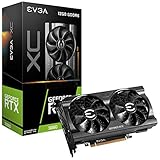
- Top Pick: msi Gaming GeForce RTX 3060 Ventus 2X 12G OC V1 Graphics Card – 15 Gbps GDRR6 Boost Clock: 1807 MHz 192-Bit HDMI/DP PCIe 4 Torx Twin Fan Ampere
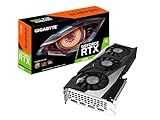
- Best Value: GIGABYTE GeForce RTX 3060 WINDFORCE OC 12G (rev. 2.0) Graphics Card, 2X WINDFORCE Fans, 12GB 192-bit GDDR6, GV-N3060WF2OC-12GD Rev2.0 Video Card
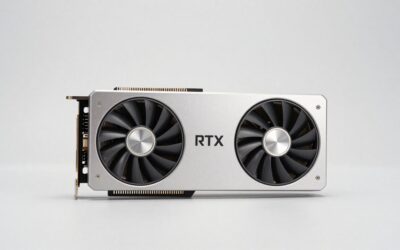
- Premium Choice: NVIDIA GeForce RTX 3060 Ti Founders Edition 8GB GDDR6 PCI Express 4.0 Graphics Card (Renewed)
Here is the most important sentence in any best RTX 3060 shopping guide: not every card called a 3060 is the same card. The original RTX 3060 shipped with 12GB of VRAM at a $329 launch MSRP and a 170W board power. A later version of the 3060 shipped with 8GB, and plenty of listings do not make the difference obvious in the title. Buy the wrong one and you have quietly paid for less memory.
That is the lens for this guide. Rather than rank brands, it focuses on the choices that actually change what you end up with: which memory configuration, which cooler size, and whether the 3060 is the right replacement for the card you own now. If you are coming off a GTX 1060, 1650 or 1660, this is the card many people reach for, and the details below will help you buy a good one.
As an Amazon Associate we earn from qualifying purchases at no extra cost to you.





The 12GB question
The 3060’s headline feature is its memory. Twelve gigabytes is more than the RTX 3060 Ti, 3070 and 3070 Ti carry, all of which sit at 8GB despite being faster chips. In memory-hungry games and with high-resolution texture packs, that extra capacity can be the difference between smooth play and stutter. In games that are not memory-limited, the faster 8GB cards pull ahead.
Always read the listing’s spec page for the exact VRAM figure and memory bus. If a listing does not state it clearly, move on to one that does.
Choose your configuration
| Variant | Best for | Watch for |
|---|---|---|
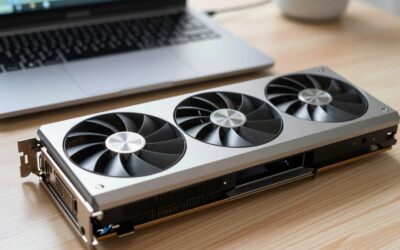
| 3060 12GB, dual-fan | Most 1080p and 1440p builds | Check the card length against your case |
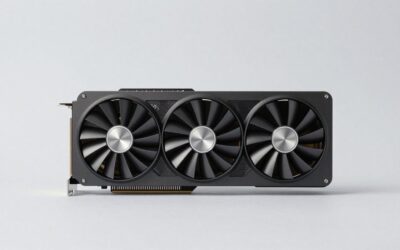
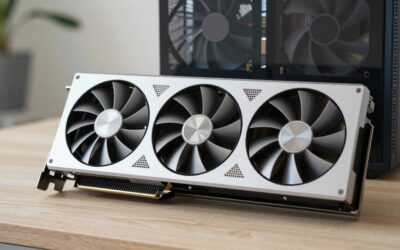
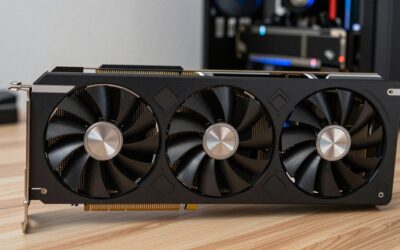
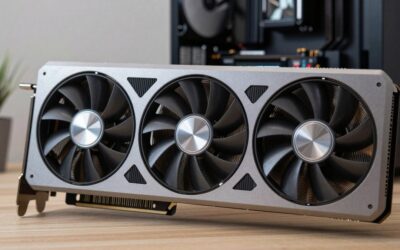
| 3060 12GB, triple-fan | Quiet builds in roomy cases | Weight and slot sag over time |
| 3060 12GB, compact or mini | Small form factor and ITX | Louder fans; verify the exact dimensions |
| 3060 8GB version | Only if the price is clearly lower | Less memory than the original |
If the 8GB variant and the 12GB card are listed near each other, buy the 12GB one in nearly every case. Check the current price of each on its listing.
Dual-fan boards: the sensible default
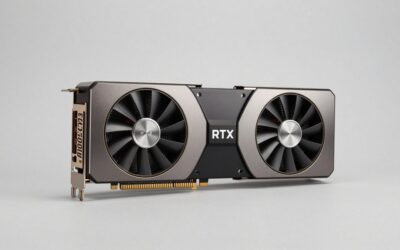
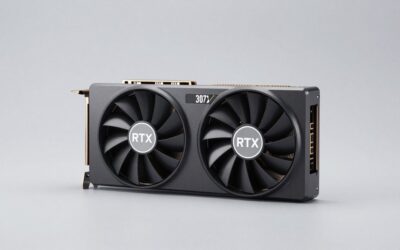
A two-fan 3060 12GB is the card most people should buy. At 170W it does not need a heavy cooler, and a mid-size shroud runs quietly enough in ordinary cases. It also fits a wide range of towers, including many prebuilts where a longer card would not clear the drive cage.
- Good balance of size, noise and cooling
- Works with modest PSUs; the board draws 170W
- Skip it if: you want near-silent operation under long sessions
Triple-fan boards: for people who hear fans
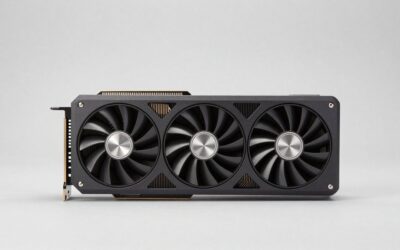
The only reason to buy a triple-fan 3060 is acoustics and thermals. Slower fans on a bigger heat sink keep the card quiet and cool. The performance is basically the same. If your case has plenty of room and you prefer a silent build, it is a good option. For everyone else it is extra length and weight with little benefit.
- Quietest option in the lineup
- Better for long gaming sessions
- Skip it if: your case is short or you need a support bracket for heavy cards
Compact boards: the ITX specialists
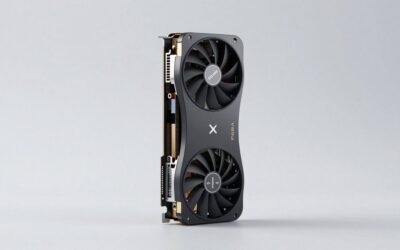
Mini-ITX owners and small-case builders need short boards, and a few 3060 models are designed for that. They are noisier because small fans have to spin faster, but they let you build a tiny, capable gaming PC. Measure carefully, and check clearance for power cables on the end of the card.
- Fits tiny cases
- Still delivers the full 12GB
- Skip it if: you have room for a larger card, since the small fans are louder
Is a 3060 still a good upgrade?
It depends on what you are replacing. Coming from a GTX 1060 or a 1650-class card, the jump is large and you gain DLSS upscaling. From an RTX 2060 or 2070, the change is more modest, and you may not feel it. From a 3060 Ti or above, there is no reason to move.
For performance expectations, public reviews at TechPowerUp, Tom’s Hardware and Gamers Nexus covered this card at launch; they put it squarely in the 1080p to 1440p tier. Individual games vary a lot, so check the specific titles you play before spending.
3060 versus newer budget cards
Several newer cards compete at a similar budget level. The RTX 4060 launched at $299 with 8GB and 115W, adding frame generation at a lower power draw. The RTX 5060 launched at $299 with 8GB and 145W, and the 5060 Ti 16GB launched at $429. The newer cards are better on features and efficiency; the 3060 12GB keeps its relevance with memory capacity. Look at current listing prices and decide if the extra frame generation or VRAM matters more for your games.
Platform notes
CPU pairing
A Ryzen 5 3600, 5600X or an Intel 10th or 12th generation Core i5 matches the 3060 well in 2026. The card will not be limited by these processors at 1080p.
PSU and connectors
Check the number of PCIe power connectors the specific model needs. Most use a single 8-pin; confirm in the spec page. A good quality 550W to 650W supply is comfortable for a typical build.
PCIe slot
The card uses PCIe 4.0 but works fine in 3.0 slots with little real-world difference.
Verdict
The best 3060 graphics card for most people is a dual-fan 12GB model that fits your case. Take the triple-fan for quiet builds, the compact board for ITX, and avoid the 8GB version unless the price gap is large.
FAQ
Which is better, the 3060 12GB or 3060 Ti?
The Ti is faster, but the 12GB card has more memory. Pick by whether your games run out of VRAM.
Is the 3060 good for 1440p?
It can run many games at 1440p with tuned settings and DLSS. At 1080p it is comfortable.
Does it support frame generation?
No. Frame generation requires RTX 40 or newer.
How can I tell which version I am buying?
Read the memory size and bus on the listing’s spec page, not just the product title.
Ready to decide? Our #1 pick for 2026 is the 3060 12GB, dual-fan.
Live price & availability on Amazon.

Write Your Review
No reviews yet. Be the first to share your experience!